Hey, you ever feel like your mood just takes a nosedive when winter rolls around? Like one day you’re all about life, and the next, it’s like someone flipped a switch?
Yeah, that’s totally a thing. For folks who deal with bipolar disorder, the winter blues can hit hard. It’s not just about feeling a bit down; it can really shake things up.
So let’s chat about how those cold months can mess with our heads. I mean, the holidays are supposed to be joyful, but sometimes they just add to the heaviness, right?
We’ll figure out ways to navigate through this season together. You got this!
Understanding the Impact of Seasonal Changes on Bipolar Disorder Symptoms
Understanding how seasonal changes affect bipolar disorder is super important, especially when winter hits. You know, those gloomy months can really mess with your mood. For people living with bipolar disorder, the shifts in seasons can amplify symptoms, leading to what some folks call «bipolar winter blues.»
When it gets darker earlier and the temperatures drop, many people feel sluggish or down. But for those with bipolar disorder, seasonal changes can mean more than just a change in the weather. Symptoms like depression may intensify during these months. Here’s what you need to keep in mind:
- Depressive episodes: Many individuals experience increased feelings of sadness and fatigue during winter. The lack of sunlight plays a huge role here.
- Hypomanic episodes: On the flip side, some may notice heightened energy levels as spring arrives. This could lead to impulsive decisions that might feel exciting at first but often have consequences.
- Circadian rhythms: Our body’s internal clock gets thrown off with shorter days. This can disrupt sleep patterns and overall mood stability.
- Vitamin D deficiency: Limited sunlight can lead to lower vitamin D levels, which is linked to mood regulation. Feeling sluggish? It might be worth checking your vitamin D status!
- Social isolation: Winter often means staying cooped up inside. For someone with bipolar disorder, this can exacerbate feelings of loneliness and despair.
Let me tell you about my friend Alex. Every winter, he feels this heavy blanket of sadness wrap around him as soon as daylight savings hits. He’s usually a vibrant person who loves connecting with friends and going on adventures. But come January? He often finds it hard to get out of bed or even respond to texts.
So what’s happening here? Well, for starters, Alex experiences a slump in his mood that aligns perfectly with winter’s arrival. When spring comes back around, he starts feeling more like himself again—full of ideas and energy! That’s the rollercoaster ride that many dealing with bipolar disorder know all too well.
Managing these seasonal impacts isn’t easy but there are ways people cope:
- Therapy: Regular sessions can help navigate those tricky emotional waters throughout the year.
- Light therapy: Using a light box that mimics sunlight exposure is pretty popular during those dreary months.
- Support groups: Talking with others who get it can provide comfort and camaraderie when you’re feeling down.
- Exercise: Moving your body—even if it’s just a walk around the block—can boost your mood significantly!
It’s all about finding what works best for you or someone you care about while being aware of how changing seasons impact mental health.
Staying vigilant about these shifts not only prepares you for potential changes in mood but can actually help mitigate them too! So next time the leaves start falling or snow begins to blanket everything outside your window, remember: awareness is like armor against those seasonal blues!
Exploring the Impact of Winter on BPD: Does Seasonal Change Worsen Symptoms?
When it gets cold and dark outside, some folks really feel the change. This is especially true for people with Borderline Personality Disorder (BPD). Seasonal shifts can be tricky, you know? Winter, in particular, might stir the pot for those experiencing BPD symptoms.
First off, let’s touch on what BPD is. It’s a complex mental health condition that affects how you feel about yourself and others. Emotional instability is one of its hallmark features. People with BPD often experience intense moods that can change quickly. So when winter rolls in and days get shorter, it might intensify those feelings even more.
One thing to consider is seasonal affective disorder (SAD). Many people feel down when sunlight dwindles during winter months. This can lead to increased feelings of sadness or hopelessness. For someone with BPD, this could mean feeling even more overwhelmed by their emotions. So if you already struggle to manage moods during non-winter months, just imagine how it might feel when winter blues kick in.
Another impact of winter could be related to social interactions. Cold weather often keeps people indoors. Social isolation gets magnified during this season, which can be especially tough for someone with BPD who might rely on social support to stabilize their mood. The reality is that fewer connections can lead to increased emotional distress—like feeling abandoned or rejected when friends go silent due to the cold.
And here’s another factor: changes in routine. Winter holidays bring all sorts of shifts—different schedules, family dynamics popping up, or even just the stress of gift-giving and holiday gatherings. For someone with BPD trying to manage their emotions, these changes can be triggers for anxiety or depressive episodes.
Let’s not forget the physical side too! Less sunlight may mess with your body’s serotonin levels. This neurotransmitter plays a role in mood regulation—kind of like your brain’s cheerleader! Less serotonin? Well, that often means more difficulty managing emotions if you’ve got BPD.
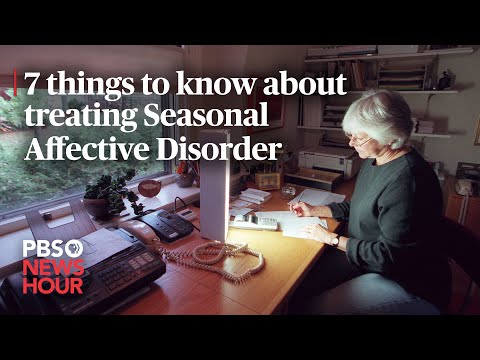
You might wonder whether treatment options shift when dealing with seasonal impacts. Therapy approaches remain consistent but may take a different focus during winter months. Some folks find light therapy helpful; it involves exposure to bright lights that mimic natural sunlight and can help combat SAD symptoms.
Remember too that medications could play a part here as well—antidepressants are sometimes used for managing seasonal symptoms alongside therapies like Dialectical Behavior Therapy (DBT) specifically designed for individuals with BPD.
So what’s the takeaway? Winter doesn’t create BPD symptoms outta nowhere but definitely has an impact that’ll vary person-to-person based on their unique experiences and coping strategies.
In short:
- Winter may worsen emotional instability.
- Social isolation increases stress.
- Changes in routine from holidays can trigger anxiety.
- Less sunlight affects serotonin levels.
Navigating these challenges isn’t easy at all, but awareness is key—you’re not alone in this journey!
Understanding Seasonal Depression: Do People with Bipolar Disorder Experience Winter Blues?
Seasonal depression is a tough nut to crack, especially when you’re talking about something like bipolar disorder. So, let’s tackle this—like, head-on.
For many people, winter months can bring on a feeling of heaviness, you know? It’s common to feel lower energy or even sadder when the days are short and the weather is dreary. This phenomenon is often labeled as **Seasonal Affective Disorder (SAD)**. But here’s where it gets interesting for those living with bipolar disorder.
Individuals with bipolar disorder don’t just deal with regular mood swings. They experience intense highs (mania) and lows (depression). So, when winter rolls in, it can complicate things even further. It’s not just the typical «winter blues»—it’s more layered than that.
- Winter Triggers: For some folks with bipolar disorder, the change of season can trigger depressive episodes.
- Symptoms: The symptoms can feel a bit like classic depression: low energy, trouble sleeping, loss of interest in activities you usually enjoy—these all hit harder.
- Mania Risks: On the flip side, there might be some people who flip into mania during the brighter summer months and then crash down in winter.
I remember chatting with a friend who has bipolar disorder. During winter, she’d struggle to get out of bed and felt this heavy blanket of sadness wrap around her every day. It wasn’t just her imagination; that seasonal shift really affected her mood regulation.
Now, here’s something important: not everyone with bipolar disorder experiences these seasonal changes in the same way. You may find that your mood swings don’t follow a seasonal pattern at all! It varies from person to person.
So what do you do if you’re feeling those dark clouds of seasonal depression rolling in? First off, getting help is key! Therapy can be super beneficial—especially forms like cognitive-behavioral therapy (CBT), which helps challenge negative thoughts that pop up during those gloomy months.
Also worth mentioning are light therapy options. Some folks find sitting in front of a bright light box for about 30 minutes each morning helps lift their spirits. It’s kind of like tricking your brain into thinking it’s sunny outside!
You know how winter can feel like it just drags on forever? Those cold, dark days make it super tough for anyone to stay upbeat. But if you’re someone who deals with bipolar disorder, the winter months can hit even harder. It’s like the blues just settle in and refuse to leave.
A friend of mine, let’s call her Sarah, really knows what I’m talking about. She has bipolar disorder and always talks about how rough winters are for her. One year, she put it this way: “It feels like I’m standing in a snowstorm while everyone else is cozy inside.” Like, wow, that image sticks with you. So many emotions get wrapped up in that feeling of isolation during these gloomy months.
When we’re talking about seasonal mood changes, there’s this whole thing called Seasonal Affective Disorder (SAD). Basically, it’s when your mood dips because of the lack of sunlight. For folks with bipolar disorder, this can intensify symptoms or even trigger episodes—think depression or mania—if you’re not careful. You might find yourself feeling lethargic one day and then suddenly super energetic the next day but unable to focus at all.
But here’s the thing: navigating these ups and downs isn’t impossible! Lots of people find a rhythm that works for them during winter. Keeping a consistent routine helps a lot; it adds structure on those days when getting out of bed seems like an uphill battle.
And let’s not forget about light therapy! Many people swear by those bright light boxes that mimic natural sunlight. They say it helps them feel more awake and in balance—a little boost to fight against that relentless winter gloom.
Then there’s the power of connection. Just talking with friends or family can really make a difference too. Don’t you think? Sometimes venting or sharing your feelings can lighten that heaviness you’re carrying around. Like Sarah said after an evening with friends: “I didn’t realize how much I needed to laugh until I actually did.”
So yeah, coping with bipolar winter blues involves finding strategies that work for you personally—whether that’s sticking to routines, using light therapy, or leaning on your support system. Each person’s journey is different; there’s no one-size-fits-all solution here. If you’re feeling those seasonal lows creep in this winter, just remember—you’re not alone in this!