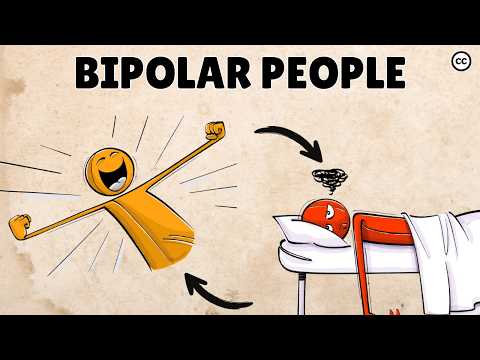
You know that feeling when you’re on top of the world one minute and then, bam, you hit rock bottom? Yeah, that’s a classic ride with bipolar disorder.
But what about the flip side? The non-depressive moments? Those can be just as intense, if not more confusing.
It’s like having a ticket to an amusement park where you don’t quite know which ride you’ll end up on next. Exciting and terrifying all at once!
Many people think of bipolar as just swinging between highs and lows, but there’s so much more going on. Let’s talk about navigating through those energetic highs and everything that comes with them.
Top Coping Skills for Managing Bipolar Disorder: Enhance Your Mental Health
Bipolar disorder can be super challenging to navigate, especially when it comes to coping with those ups and downs. It’s not just about the depressive episodes; there are those high-energy phases too. Learning effective coping skills can make a real difference in managing your mood swings and enhancing your overall mental health. Let’s break down some key strategies that might help.
1. Establish a Routine
Having a daily routine can create stability in your life. This doesn’t mean you have to follow a strict schedule all the time, but having some consistent activities can help ground you. For instance, set regular times for sleeping, eating, and exercising.
2. Use Mindfulness Techniques
Mindfulness is all about being present in the moment without judgment. It can help reduce anxiety and improve concentration during manic phases. You could try simple breathing exercises or maybe even meditation for a few minutes each day.
3. Keep a Mood Journal
Writing down your feelings helps you track patterns in your mood over time. Note what triggers high or low states—this insight is gold when you’re trying to manage things better.
4. Build a Support Network
Your friends and family can be amazing allies! Talk openly with them about what you’re experiencing so they can support you when things get tough.
5. Set Realistic Goals
When you’re feeling on top of the world, it’s easy to aim for the stars! But remember to set achievable goals that keep you grounded too. Maybe start small—like organizing one room or completing a small project—so you don’t get overwhelmed.
6. Engage in Physical Activity
Exercise isn’t just good for your body; it does wonders for your mind too! Even short walks or dancing around your living room can lift your spirits and help balance out those mood swings.
7. Practice Self-Compassion
Be kind to yourself! Recognizing that it’s okay to have ups and downs is crucial for mental well-being. Think of yourself as a friend—wouldn’t you offer compassion if they were struggling?
It’s important to remember these coping skills aren’t cures but tools in your toolkit when dealing with bipolar disorder’s complexities. The reality is everyone has their own unique journey with this condition, so experiment with these strategies and see what resonates best with you!
Getting support from professionals like therapists or counselors can add even more strength to your coping strategies as they help guide you through this journey with personalized advice tailored just for you!
Understanding Bipolar Disorder: Exploring the Two Sides of Mood Management
Bipolar disorder can feel like a wild roller coaster. You’ve got these intense mood swings, switching from high-energy phases to deep lows. But the thing is, it’s not just about the sadness or the highs. There are serious nuances in between, especially when it comes to managing your moods.
Understanding the Highs (Mania)
When we talk about the highs, or mania, it’s more than just feeling happy. People often experience increased energy and creativity. Imagine feeling like you could take on the world! You’re probably talking faster than usual and maybe even sleeping less but still feeling totally fine about it. Fun, right? But then there’s that tricky side. Sometimes this can lead to impulsive decisions—maybe you go on a shopping spree or say things you don’t really mean.
Not Everyone Experiences Mania the Same
And let’s not forget that not everyone hits those crazy highs. Some folks might experience what we call hypomania instead—a milder form of mania that feels good but doesn’t get too out of hand. You might feel super productive at work or be extra social without going overboard. It’s like a more manageable version of mania.
The Energy Drain of Depression
Now, on the flip side is depression. This part can feel like living in slow motion—dragging yourself out of bed might seem monumental some days. You’re probably less interested in things you once enjoyed, just going through the motions, you know? And this isn’t just regular sadness; it’s deeper and sometimes leaves you feeling empty or hopeless.
Coping with Both Sides
Managing bipolar disorder is all about finding balance between these two sides. That means recognizing your triggers—certain situations or stressors that might push you towards one extreme or another. Maybe it’s lack of sleep or some big life changes that tip the scales.
Therapy Can Help
Talking to a therapist can be a game changer here! They often help with developing coping strategies and understanding your patterns better. Cognitive-behavioral therapy (CBT) can teach you how to challenge those negative thoughts during low points and create plans for those manic episodes so they don’t spiral out of control.
Medication Might Be Necessary Too
For many people, medication plays an important role in mood management as well; mood stabilizers can really help prevent those swings from getting too extreme—like a safety net for your moods.
You’re Not Alone
If you’re navigating this journey yourself—or know someone who is—you should know it’s common to feel overwhelmed at times. Just talking about your experiences with friends or support groups can lighten that load significantly.
In short: managing bipolar disorder involves understanding both sides of your moods, recognizing triggers, possibly trying therapy and meds, and leaning on support when needed. It might feel tough sometimes, but knowing there are ways to cope makes all the difference!
Understanding the Bipolar Mind: Insights into Thought Processes and Emotions
Bipolar disorder can feel like a rollercoaster, right? You have these highs and lows that can be super intense. Understanding the bipolar mind means digging into **the emotional and thought processes** that come with it, especially the non-depressive side. So, let’s break it down.
First off, when we talk about **the highs**, or manic episodes, they’re not just about feeling happy or excited. It’s like a turbo boost for your brain. You might experience:
So imagine this: you’re at a party, and suddenly everything seems brighter. You’re chatting away and coming up with amazing ideas for your next big project. But it can be tricky because while you’re soaring high, there might be whispers in the back of your head pushing you toward risky decisions, like overspending or saying things you regret later.
Now on the flip side are the depressive episodes. But today we’re focusing on those high-energy times! Even when things are buzzing around you, it doesn’t mean everything’s easy-peasy. Sometimes folks with bipolar disorder can struggle with “mixed episodes,” where they feel both manic and depressive symptoms at once—like being on two different rides at once!
Next comes **the emotional landscape** during these manic phases:
It’s essential to recognize that these emotions aren’t just your typical highs and lows—they can really impact how you interact with others. Think about it: if you’re feeling all hyped up but can’t control those emotions, relationships might take a hit.
Another fascinating thing is how **thought processes** shift during mania:
For instance, suppose you’re working late one night on an art project because all those ideas are flooding in. Suddenly, without thinking much, you decide to quit your job right then because «you’ll make it big as an artist!» But in those calmer moments later? You might realize that was maybe not such a solid plan.
Understanding this mind comes down to realizing that these thought patterns and moods aren’t who someone is—they’re part of how they experience life through bipolar disorder. There’s this huge spectrum of feelings happening behind the scenes.
So what does this mean for navigating life day-to-day? Awareness is key! Knowing when those wild thoughts kick in helps manage them better—like using grounding techniques or checking in with yourself regularly.
Lastly, connecting with others who get it makes a huge difference too! Having friends or support groups can lighten the load when things get overwhelming.
Bipolar disorder isn’t just about swings; it’s about navigating an intricate emotional map filled with ups and downs—all unique to each person living with it. And acknowledging both sides opens doors for better understanding and support!
So, bipolar disorder can feel like this crazy rollercoaster, right? You’ve got the highs and lows that really take you for a ride. Most people tend to focus on the depressive side of things, which makes sense because it can be super tough. But let’s talk about the non-depressive side. You know, those moments when you’re flying high and feeling like you could conquer the world!
A friend of mine, Sarah, has bipolar disorder. I remember one time she was in a manic phase — she was bursting with energy! It was kind of infectious. She started new projects left and right; her creativity was off the charts. At one point, she painted her entire living room in neon colors because «it needed some pizzazz.» Seriously! And while that sounds fun and exciting, sometimes there’s this thin line you walk between feeling energetic and losing touch with reality.
What I find fascinating is how moods shift so quickly. One minute you’re up for an adventure, ready to take on anything; the next minute? You’re overwhelmed by what feels like an avalanche of thoughts. That rapid change can be confusing for both the person experiencing it and everyone around them.
Plus, there’s this underlying pressure to keep that vibe going during manic episodes. Like, if you’re feeling good and productive, who wants to slow down or admit they might need a break? It gets complicated really fast when people don’t realize how important it is to balance those highs with some self-care.
I think navigating this part of bipolar disorder is crucial. Embracing your creativity while keeping an eye on your mental health is tough but vital. So many people have insights about their passions during these high times but don’t always have tools to ride out the lows that come after.
It’s all about finding a rhythm — learning when to harness that extra spark without losing yourself in the whirlwind it creates. That’s where therapy can help a lot—creating strategies to make sure those high times feel empowering rather than overwhelming or reckless.
So yeah! Bipolar disorder’s non-depressive side can be exhilarating but also calls for balance and awareness. It’s definitely something worth talking about more often!