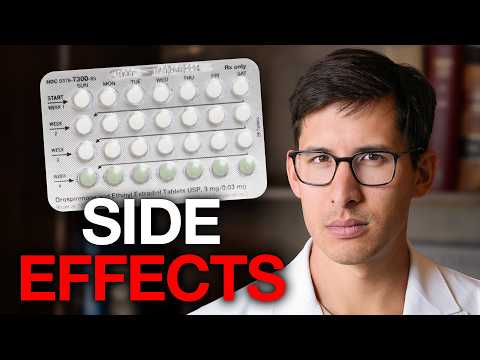
You know, when we think about birth control, we often jump straight to the physical stuff—the health benefits, the prevention of pregnancy. But there’s something else lurking in the background that we hardly talk about: mental health.
Yeah, it’s a big deal. Some people feel totally different on birth control. It’s like their mood gets tossed around on a rollercoaster.
I mean, I remember my friend Sarah talking about how she felt like she’d lost a part of herself after starting the pill. One minute she was bubbly and full of life; the next, it was just sadness creeping in.
So, what’s really going on? Why does this happen? Let’s dig into how birth control can mess with our brains and emotions—and what that might mean for you or someone you love.
Top Contraceptive Pills That May Help Alleviate Anxiety and Depression Symptoms
Alright, let’s chat about something that’s been buzzing around in people’s minds: the connection between certain contraceptive pills and mental health. It’s a pretty interesting topic because, believe it or not, what you take for birth control can impact your mood. Crazy, huh?
So here’s the deal. Certain hormonal contraceptives have been known to potentially ease symptoms of anxiety and depression for some folks. It’s like a two-for-one deal, seriously. While they’re preventing unwanted pregnancy, they might also help stabilize your mood.
First off, **combination pills** contain both estrogen and progestin. Some studies suggest these could be linked to reductions in depressive symptoms for certain women. Have you ever heard of **Yaz** or **Ortho Tri-Cyclen**? They’re popular choices that fit into this category.
Then there are the **progestin-only pills** (sometimes called the mini-pill). These can be great for women who can’t take estrogen due to health issues. Some people report feeling less anxious when on these as well—like **Micronor**, for instance.
It’s important to know though that everyone reacts differently to these medications. What works wonders for one person might not do much for another. That’s just how our bodies roll! So if you’re considering this avenue, chatting with your doctor is really crucial.
But wait—there’s more! Other factors play a role too, like your overall hormonal balance and personal history with mental health conditions. If you’ve had struggles with depression before starting hormonal contraceptives, it might change how you react to them.
Also, don’t forget about potential side effects. While some people find relief from anxiety or depression symptoms, others experience things like mood swings or weight gain while on birth control pills. And that can be a downer!
In short:
- Combination Pills: May help with depressive symptoms; examples include Yaz and Ortho Tri-Cyclen.
- Progestin-Only Pills: Good option if estrogen isn’t suitable; Micronor is one example.
- Individual Reactions: Everyone responds differently; talk to your doctor about what may work best.
- Consider Side Effects: They vary greatly among individuals; keep an eye on how you feel.
At the end of the day, understanding how hormonal birth control ties into mental health isn’t just about prevention—it’s about feeling balanced and at ease in your own skin too! So if this resonates with you or someone you know, it might be worth jumping into a convo with a healthcare professional about it all.
Top Birth Control Options for Mood Stability: Enhance Your Mental Health Through Contraception
I’m really glad you’re interested in the connection between birth control and mental health. It’s a topic that deserves some attention because, honestly, hormones can impact how we feel in more ways than we might think.
First off, it’s important to understand that everyone’s body reacts differently to birth control. Some people may find that certain methods help stabilize their mood, while others might experience increased anxiety or sadness. So pay attention to how you feel after starting any method.
Now, let’s break down some common birth control options and their potential effects on mood stability:
- Oral Contraceptives: These are your standard birth control pills, and they can vary quite a bit. Some women report feeling more stable when taking pills with lower doses of estrogen and progesterone. However, others may find that they experience side effects like anxiety or depression.
- Hormonal IUDs: The hormonal intrauterine devices can be a great option for many. They release progestin locally in the uterus and often lead to lighter periods. Some studies suggest they might even help with mood stability for certain individuals.
- Depo-Provera Injections: These shots are good for those who want something long-lasting without daily commitment. But be careful; some people do report mood swings or depressive symptoms after getting the shot.
- Nexplanon Implant: This tiny rod placed under the skin of your arm releases hormones over time. Many women find it convenient, but some also mention mood changes as a potential downside.
- Non-Hormonal Options: If hormonal methods aren’t your jam, consider non-hormonal contraception like copper IUDs or barrier methods (like condoms). While they don’t directly affect hormones, they can offer peace of mind related to pregnancy which can lessen anxiety for some folks.
Let’s not forget about the discussion around PMS and PMDD. A lot of people experience severe mood swings during their menstrual cycle. Certain birth control methods can ease these symptoms significantly by regulating hormones more consistently.
You know what’s interesting? There’s also research showing that hormonal contraceptives may help alleviate symptoms of pre-existing mental health conditions for some individuals. It can be kind of a balancing act because what works for one person might not work for another.
I remember a friend of mine who switched from her regular pill to an IUD after feeling super moody on her previous method. After making the switch, she said she felt so much more at peace—like she was back to her old self again! It’s all about finding what suits you best.
But always consult with your healthcare provider first before making any decisions about birth control! Seriously, they’re there to help you navigate this journey without losing sight of your mental well-being.
The key takeaway here is that birth control does have a connection to mental health, and being proactive about it is crucial. So keep exploring options until you figure out what feels right for you!
Understanding Birth Control and Depression: Does it Ever Go Away?
So, let’s chat about something that can be a bit tricky: birth control and depression. We’re hearing more and more about how birth control methods can affect mood, and honestly, it’s a conversation worth having.
The thing is, birth control pills and other forms of hormonal contraception work by adjusting your hormone levels. They help prevent pregnancy but can also have effects on your mental health. Some people notice mood swings or feelings of sadness. This doesn’t happen to everyone; instead, it’s a mixed bag.
You might be wondering why that is. Basically, hormones like estrogen and progesterone play huge roles in our emotions. When those levels change—like when you start or stop taking birth control—it can mess with your mood. It’s like a rollercoaster for your brain chemistry.
- Individual Responses Vary: Everyone’s body responds differently to hormonal changes. For some folks, birth control can actually help regulate moods while for others it might trigger depressive symptoms.
- Timing Matters: Sometimes these feelings pop up right after starting a new method or when switching pills. It might take your body some time to adjust.
- Underlying Issues: If you have a history of depression or anxiety, adding hormonal factors into the mix could amplify those feelings.
I once had a friend who started on the pill because she wanted to manage her period better. But within months, she noticed herself feeling down more often—something she hadn’t experienced before. After chatting with her doctor about her symptoms, they decided to switch her to another method that suited her better.
This brings us to an important point: communication with healthcare professionals. If you find yourself feeling blue after starting birth control—or even if you feel fine but then notice changes—don’t hesitate to bring it up with your doctor. They really can help find the right balance for you.
Now let’s talk about whether these depressive symptoms ever go away when you stop using birth control. The good news is that for many people, any mood-related side effects do fade after discontinuing the use of hormonal contraceptives. However, this isn’t universal—you might experience lingering feelings depending on other factors in your life or mental health history.
- Adjustment Period: After stopping birth control, there may be an adjustment phase where your body readjusts its hormone levels again.
- Mental Health Support: If you’re still struggling after stopping, seeking therapy or support could be helpful in unpacking those feelings!
The bottom line? Birth control affects everyone differently when it comes to mental health and depression. Staying in tune with how you’re feeling and working closely with a healthcare provider is super important! So keep talking about it—you deserve care that really fits you!
So, let’s chat about birth control and how it might link up with mental health, especially when it comes to depression. This can be a pretty heavy topic for some folks, and there’s a lot of emotions tied to the choices we make about reproduction and our bodies. Seriously, it’s not just about what kind of birth control to use; it’s also about how it makes you feel—physically and mentally.
I remember my friend Sarah telling me her experience when she started taking the pill. She was super hopeful, thinking it’d be a game changer for her periods and all that. But after a few months, she noticed changes in her mood. It was like one minute she was totally fine, and then the next, she felt this wave of sadness wash over her. It’s wild how something so small can shift your feelings so significantly.
Studies kind of hint at this connection between hormonal birth control methods and mental health—especially things like anxiety or depression. Some women report feeling more down after they start using hormonal contraception. But other people don’t have any issues at all! It’s almost like everyone reacts differently based on their chemistry or past experiences.
You know what’s tricky? It can be hard to tell if the change in mood is just life being life or if it’s actually the birth control playing a role. Maybe you’re going through stress at work or having relationship drama—things that could affect your emotional state anyway! So how do you untangle which is which?
And then there’s the added pressure of societal expectations around birth control; like, you’re supposed to be grateful if it’s working well for you because it’s such an important aspect of health care nowadays. But if it doesn’t sit well with your mental state? That’s when things get complicated.
So yeah, navigating this whole area can feel overwhelming sometimes. It’s super important to listen to your own body and mind. If something feels off after starting any form of birth control, talking with a healthcare provider makes sense—you shouldn’t have to just deal with feeling crummy! You deserve to feel good in your skin—and that includes feeling good mentally as well as physically.
Birth control is a personal choice that should empower you—not drag you down into dark places. Each person has their own journey with it, and sharing those experiences helps shine light on what could otherwise feel lonely or confusing.