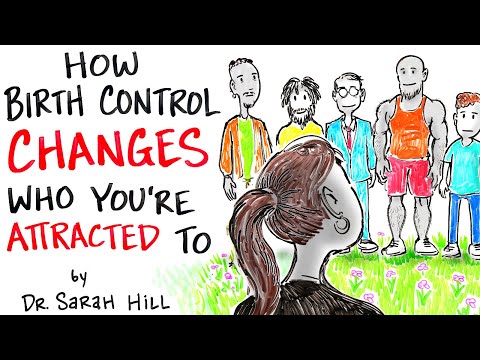
Hey, have you ever thought about how birth control can mess with your mood? Yeah, it’s wild. One minute you’re feeling alright, and the next, you might find yourself on the rollercoaster of emotions.
Like, you could be laughing at a funny movie one moment and then suddenly tearing up during an ad for dog food. Seriously! What gives?
It turns out that what you’re taking to prevent pregnancy can actually shake things up emotionally. Sometimes in good ways, but not always. So let’s chat about this whole thing—because understanding how birth control affects your mind is super important!
Top Birth Control Options for Mood Stability: Finding the Right Fit for Your Mental Health
So, let’s talk about birth control and how it can mess with your mood. Seriously, it’s a big deal. Many people don’t realize that hormones play a massive role in our emotional well-being, and different types of birth control can affect your mood in various ways. If you’re trying to find the right fit for your mental health, you’ve come to the right place.
Hormonal Birth Control is often at the center of this conversation. It includes options like pills, patches, or rings that release hormones to prevent pregnancy. While these are super effective at their job, they can also cause mood swings in some folks. You know how sometimes you feel like crying over a spilled cup of coffee? Yeah, hormones can magnify those feelings.
- Combination Pills: These contain both estrogen and progestin. For some people, they help stabilize moods by regulating hormonal fluctuations. But for others? They might feel more anxious or moody.
- Progestin-Only Pills: Great for those who can’t take estrogen due to health reasons. They tend to have a milder impact on mood but still vary from person to person.
- IUDs (Intrauterine Devices): Some IUDs release hormones that can lighten periods and lessen cramps. Many find their moods improve over time with hormonal IUDs.
- Implants: Like the arm implant called Nexplanon that releases progestin. Those who use it sometimes report changes in mood but often find long-term benefits outweigh short-term side effects.
Now let’s talk about how birth control may help some folks stabilize their moods without really thinking about it as «birth control.» For example, someone who’s been struggling with PMDD (Premenstrual Dysphoric Disorder) might find relief using hormonal methods that smooth out those peaks of emotional turmoil.
Non-Hormonal Options exist too! If you’re really sensitive to hormonal changes or have had bad experiences with them, there are alternatives:
- Copper IUDs: These don’t have any hormones at all and work by creating an environment that’s not friendly for sperm. They won’t directly affect your mood since there are no hormones involved.
- Barrier Methods: Things like condoms or diaphragms won’t mess with your hormones either. But keep in mind they require cooperation from partners—something that can be tricky!
For some people, side effects just come with the territory—kind of like getting used to a new pair of shoes that pinch at first but eventually fit like a glove.
It’s really important to remember that everyone reacts differently when it comes to birth control and mental health. What works wonders for one person might leave another feeling totally off-balance—like trying on someone else’s old clothes.
If you’re dealing with high anxiety or depression issues already, make sure you have an open chat with your healthcare provider about what options might be best for you personally. Be honest about how you’re feeling emotionally; they should help guide you toward something that’s more likely to keep your mood steady instead of making it wobbly.
The thing is: getting the right birth control can be as much about mental stability as it is about preventing pregnancy—it’s all connected! Just remember: checking in with yourself after starting something new is key; if you feel changes (good or bad), note them down so you can share during follow-up visits.
Your mental health journey and birth control choices are personal—you’ve got this!
Top Contraceptive Pills to Help Manage Anxiety and Depression: A Comprehensive Guide
When you think about contraceptive pills, it’s typically all about preventing pregnancy, right? But the thing is, some birth control options can actually have an impact on your mood and mental health. Yep, you heard that!
There are different types of contraceptive pills out there. Some of them contain hormones that can affect not just your body but also how you feel emotionally. As a quick heads up, if you’re someone who struggles with anxiety and depression, it’s really important to talk to a healthcare provider about how these pills might affect you personally.
Combination Pills are the most commonly prescribed type. They usually contain two hormones: estrogen and progestin. For some folks, using these can help regulate mood swings or PMS-related anxiety. You know that feeling when everything feels overwhelming? A steady level of hormones might help ease those peaks and valleys a bit.
On the flip side, there are people who find that combination pills actually make their anxiety worse or trigger depressive symptoms. It may sound confusing—like why would something intended to help end up causing more issues? Well, everyone’s body reacts differently to hormones.
Then we have Progestin-Only Pills, which sometimes get called the «mini-pills.» These don’t contain estrogen and tend to be recommended for people who might be more sensitive to hormonal changes or have certain medical conditions. Some users report feeling less anxiety on these; however, others still notice mood swings.
Now let’s chat about Long-Acting Reversible Contraceptives (LARCs). These include methods like IUDs or implants that don’t require daily attention. While they’re super convenient and great for preventing pregnancy for years, they come with their own set of emotional effects depending on individual reactions.
One thing that’s crucial to keep in mind: Timing matters! Some people find their moods changing when they first start taking a pill but then stabilize after a few months once their body adjusts. Or maybe you’ll notice shifts just before your period due to hormonal fluctuations influenced by the pill itself.
If you’re already dealing with anxiety or depression, don’t hesitate to have that conversation with your therapist or doctor before starting a contraceptive method or switching what you’re currently on. It’s like finding the right pair of shoes—everyone has different needs!
So yeah, while contraceptives can influence your emotional well-being in various ways, there isn’t one-size-fits-all answer here. It’s totally possible for one person to love how a pill makes them feel while another feels completely off-kilter on the same one.
In summary:
- Combination Pills: Can stabilize mood for some individuals but may worsen anxiety for others.
- Progestin-Only Pills: May suit those sensitive to hormone changes.
- LARCs: Offer long-term solutions but emotional impacts vary.
- Consultation is key: Talk with a healthcare provider to find what’s best for you.
Ultimately, it’s all about figuring out what works best if you’re looking into birth control as an option alongside managing anxiety and depression—you know yourself better than anyone else!
Understanding the Mental Side Effects of Birth Control: What You Need to Know
So, you’re considering or already using birth control and are curious about the mental side effects, right? It’s totally reasonable to want to know more. Birth control isn’t just a one-size-fits-all pill; it can influence your mood and mental health in several ways. Here’s the scoop on what you need to know.
First off, different birth control methods can have different impacts on your mental health. For instance, hormonal birth control methods like the pill, patch, or IUD release hormones that can affect your brain chemistry. This might cause mood swings or feelings of anxiety—something that’s more common than you might think.
- Hormonal fluctuations: When you start or switch methods, your body goes through hormonal changes. These ups and downs can lead to irritability or sadness.
- Individual response: Everyone reacts differently. Some people feel fine while others notice they’re more emotional or anxious. It’s like a mixed bag!
- Pre-existing conditions: If you have a history of mood disorders like depression or anxiety, hormonal changes might amplify those feelings.
There’s this story I heard about a friend who started taking the pill for lighter periods but ended up feeling constantly on edge. She told me she felt like she was walking around in a fog all the time, not herself at all. After talking with her doctor, they switched her method and gradually things got better!
That brings us to another important point: communication with your healthcare provider is key! If you start noticing changes in your mood after starting birth control, don’t just brush it off. Talk it out with someone who gets it—like a doctor or therapist.
Now let’s chat about some other factors that can affect how birth control impacts your mental state:
- Type of birth control: Methods containing estrogen may be linked to increased risk of mood swings compared to progestin-only options.
- Duration of use: Long-term use can sometimes lead to changes in how you feel emotionally as your body adjusts.
- Lifestyle factors: Stress at work or school? That stuff can pile on top of whatever you’re experiencing from birth control.
So if you’re feeling low energy or increased stress, take a moment and consider how much is coming from life and how much is related to what you’re using for contraception.
Lastly, if you’re worried about side effects but still need protection against pregnancy, there are many non-hormonal methods available too! Things like copper IUDs could be an option that won’t mess with your hormones as much.
Ultimately, being aware of these possible effects lets you make informed decisions about what’s best for you. Your mental well-being matters just as much as anything else when it comes to taking care of yourself!
Let’s talk about birth control and how it can mess with your mood and mental health. You know, it’s one of those topics that people don’t always discuss openly, but it can be super important.
Picture this: a friend of mine started on the pill because she wanted to regulate her cycle. But soon after, she noticed things were changing—like her mood was swinging like a pendulum. One minute she was all smiles, and the next, she’d burst into tears over a cat video. It was perplexing for her and honestly kinda scary.
So what’s going on? Birth control pills work by manipulating hormones like estrogen and progesterone. These hormones are big players in regulating not just your reproductive system but also your mood. And that’s where things get tricky. Some folks might find their anxiety creeping up, or they could feel more down than usual while taking the pill.
But here’s the thing: everyone is different. Some people experience no side effects at all; others might feel like they’re riding an emotional rollercoaster. It can be really confusing trying to figure out if it’s the birth control causing these feelings or if life itself is just throwing curveballs.
There are different types of birth control too—some come in patches, rings, or even IUDs—and they affect individuals differently. For some women, switching methods can make all the difference; it really is about trial and error.
And let’s not forget about how societal pressures play into this whole equation. There’s this idea that you should feel perfectly fine while on hormonal contraceptives because they’re supposed to “regulate” everything, right? But sometimes that expectation adds extra stress when you’re experiencing those mood swings.
If you find yourself feeling off while on birth control, it could be helpful to chat with a healthcare provider about it. They might suggest switching methods or even exploring alternatives that work better with your body’s chemistry.
At the end of the day, paying attention to how you feel can be super empowering! It’s all part of figuring out what works best for you—emotionally and physically—and that journey matters just as much as anything else in life! So listen to yourself!