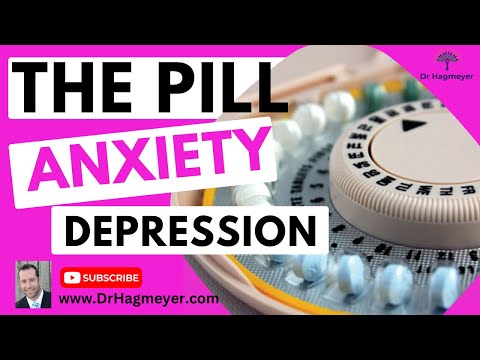
Hey, you! Let’s chat about something that doesn’t always get enough attention—birth control pills and how they might mess with your mental health.
You know, it’s wild how much our bodies and minds are connected. Like, what if a little pill could change your mood or how you feel overall? Seriously, it happens.
Many people think of birth control just in terms of preventing pregnancy, but there’s way more to the story. It can be like a rollercoaster for your emotions, you know?
So here’s the deal: if you’ve ever wondered about those ups and downs, stick around. We’re diving into why those hormones matter more than we usually think.
Exploring the Impact of Birth Control Pills on Mental Health: What You Need to Know
So, let’s talk about birth control pills and how they might mess with your head a bit. It’s one of those topics that doesn’t get enough attention. You might be taking the pill for, you know, regulating your cycle or preventing pregnancy, but it turns out it can influence your mental health too. So what’s the deal here?
First off, birth control pills are hormonal medications. They usually contain estrogen and progestin, which are hormones that play a big role not only in reproductive health but also in mood regulation. When you start these pills, you’re introducing synthetic hormones into your body. And honestly? It can throw your natural hormone balance out of whack.
Now let’s get into the nitty-gritty:
- Emotional Changes: Some people report feeling more anxious or depressed after starting the pill. For example, a friend of mine felt super moody and tearful for weeks—like she was on an emotional rollercoaster that wouldn’t stop.
- Mood Swings: It’s like an unpredictable weather system! One day you’re happy-go-lucky; the next, you could cry over a commercial. It’s just those hormones playing tricks on ya.
- Anxiety Levels: Studies have shown increased anxiety levels in some women on certain types of birth control pills. If you already struggle with anxiety, adding these hormones could flip the script even more.
- Depression Risks: There’s some evidence linking hormonal contraception to depressive symptoms. This is especially true for younger women who may have other stressors in life—college pressure, job hunting; it adds up!
- Pill Types Matter: Not all birth control pills are created equal! Some formulations have different hormone combinations which can affect how they impact your mood. If you’re noticing changes, chatting about different options with your healthcare provider can really help.
Of course, not everyone will experience negative effects from the pill. Some women actually find their mood stabilizes after starting hormonal birth control—especially if their cycles were previously erratic or painful.
But here’s where it gets tricky: sensitivity to hormonal changes varies from person to person. What works for one gal might send another spiraling into a funk. It’s like trying on shoes—you’ve gotta find what fits just right!
Lastly, if you’re thinking about trying birth control or you’ve noticed mood changes after starting it, don’t suffer in silence! Seriously talk to someone—a doctor or therapist who knows their stuff about this kinda thing.
So yeah—while birth control pills can be great for managing reproductive health issues and preventing pregnancy, keep an eye on how they affect your emotions too! Make sure you’ve got support as you navigate this whole journey; you’re not alone in it!
Exploring the Impact of Discontinuing Birth Control Pills on Mental Health
So, talking about the impact of stopping birth control pills on mental health is super important, and honestly, it can be a bit of a journey. When people decide to stop taking these pills, the changes can hit them in more ways than one. It’s like your body is suddenly trying to recalibrate after being on this hormone rollercoaster for a while.
First off, hormonal fluctuations are a big deal. Birth control pills help regulate hormones like estrogen and progesterone. When you stop taking them, your body needs time to adjust. This adjustment period can lead to **mood swings**, anxiety spikes, and even depression for some folks. It’s kind of like when you turn off your phone and it freaks out for a second before settling down again.
Another thing to think about is the relationship between birth control and pre-existing mental health conditions. If you’ve dealt with anxiety or depression before, going off the pill might amplify those feelings temporarily. For example, one woman I spoke with mentioned that after she stopped taking the pill, her long-standing anxiety flared up again, making her feel really overwhelmed at work.
Some studies suggest that discontinuing hormonal contraceptives can lead to symptoms similar to those experienced during PMS – you know, irritability and sadness. So if you’re already sensitive to hormonal changes, it might hit you harder than others. Everyone’s bodies react differently; that’s just how it goes.
Also worth mentioning: the role of menstruation. After stopping the pill, many people experience changes in their menstrual cycle—some may have heavier or more painful periods than they did while on the pill. These physical discomforts can also play into how you’re feeling mentally; it’s hard not to be affected when your body feels out of whack!
It’s also interesting to note that some folks report feeling liberated after discontinuing birth control since they’re no longer tied down by medication routines or side effects like weight gain or nausea (which is no picnic). But this newfound freedom can be mixed with feelings of anxiety about unintended pregnancies or just general life uncertainties.
And let’s not forget about support systems. If you’re thinking about coming off birth control or have already done so, it’s crucial to lean on friends or professionals who understand what you’re going through. Talking it out can really help ground you when everything feels chaotic.
In summary:
- The transition off birth control pills can trigger mood swings and increased anxiety.
- If you’ve struggled with mental health before, stopping could worsen those symptoms.
- Your menstrual cycle may change in ways that affect your emotional well-being.
- Some find relief and liberation from stopping the pill but may face new anxieties.
- A strong support system is key during this transition.
Basically, everyone’s experience is unique. Paying attention to how you feel physically and emotionally after discontinuing birth control helps navigate this often rocky road more smoothly!
Top Contraceptive Pills to Alleviate Anxiety and Depression Symptoms
Some folks don’t realize that there’s a connection between birth control pills and mental health. It’s true! For many, hormonal contraceptives can play a role in alleviating anxiety and depression symptoms. Let’s break it down.
First off, what happens is that hormonal birth control pills typically contain estrogen and progestin. These hormones help regulate your menstrual cycle, but they can also influence your mood. For some people, the right pill can lead to a reduction in anxiety and even improve general well-being.
Now, not every pill will work the same way for everyone, of course. It’s all about your unique body chemistry. Some people report feeling more balanced after starting a specific pill, while others may experience adverse effects like mood swings or increased anxiety. It’s kind of a mixed bag.
Here are some popular contraceptive pills that have been noted for their positive mental health effects:
- Yasmin: This one contains both estrogen and progestin and has been linked with fewer mood-related side effects for some users.
- Ortho Tri-Cyclen: Known for its potential benefits on acne as well as emotional well-being; some women say their anxiety eases up.
- Seasonique: Designed to reduce the frequency of periods; it may help with mood stabilization throughout the month.
But here’s something important to think about: while these pills might help some people feel better emotionally, they aren’t a one-size-fits-all solution. You really should chat with your doctor if you’re considering them for mental health reasons or if you’re already on one and feeling funky.
I remember my friend Sarah had struggled with anxiety for years. She didn’t expect her doctor to suggest birth control as part of the solution but gave it a shot anyway. After trying Yasmin, she noticed less tension and more ease in her daily life. Not everyone has such positive results, but Sarah’s story shows how personal this journey can be!
On the flip side, some women experience negative emotional changes with certain pills—like increased anxiety or depression from hormonal changes. That can be rough! If you notice shifts in how you feel after starting or changing your contraceptive method, it’s crucial to reach out to a healthcare provider.
In summary, while there are contraceptive pills that might alleviate symptoms of anxiety and depression for some people, it’s super important to recognize individual differences in response to hormones. The key? Open communication with your healthcare provider so you can find the best fit for your needs!
So, let’s talk about birth control pills and how they can totally mess with your head—sometimes in good ways, other times, well, not so much. It’s kind of wild how a little pill can affect not only your body but also your mood and mental health.
I remember when my friend Sarah started taking the pill. At first, she was all excited about the freedom it brought; no more worrying about unexpected surprises. But then things changed. She started feeling down for no clear reason; like one minute she was fine, and the next she felt this heavy cloud over her. It was tough to watch her go through that, especially when she was trying to figure out if it was the pill messing with her or just life in general.
What a lot of people don’t realize is that hormones play a huge role in our emotional well-being. Birth control pills alter hormone levels to prevent pregnancy, but those same hormones can influence mood too. For some, it’s like taking a magic potion that makes everything better—less anxiety and PMS symptoms. But for others? Not so much. Increased anxiety or even depression might creep in unexpectedly.
When you think about it, there’s this whole spectrum of experiences out there. Some studies show that hormonal contraceptives can impact neurotransmitters like serotonin—this is the happy chemical in our brains—or even make you feel more sensitive to stressors. Seriously! That could explain why Sarah felt so off-kilter.
But hey, don’t take this as an indictment against birth control pills! They’ve been a lifesaver for lots of folks dealing with not just pregnancy prevention but also issues like heavy periods or acne. It’s just really important to be aware of how they could affect mental health too.
If you’re considering the pill or are already on it and feeling weird emotions popping up like unwanted guests at a party, chatting with your doctor is key. It’s all about finding what works best for you—it might take some trial and error.
At the end of the day, it’s essential to listen to your body. Whether you’re riding high or feeling low after starting birth control pills, remember you’re not alone in this journey! Your experience matters because everyone’s body reacts differently; understanding that connection can help you navigate all those twists and turns along the way.