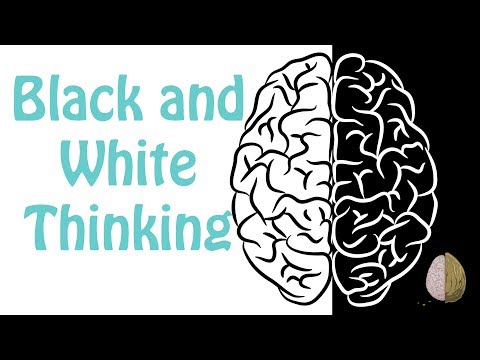
You know that moment when you feel like everything’s either perfect or a total disaster? Yeah, that’s black and white thinking in action. It’s like your brain puts your feelings in these neat little boxes, but life doesn’t really work that way.
Sometimes, this type of thinking can mess with your head. You might find yourself swinging from “I’m the best” to “I’m the worst” in no time flat. It can leave you feeling, well, pretty stuck.
Let me tell you about my friend Sarah. One day she was on top of the world after acing an exam. But the next day? She felt completely crushed because she missed one question. You see what I mean?
That all-or-nothing mindset can be exhausting! So let’s chat about what it means, how it shows up in our lives, and—most importantly—how to find some balance in those gray areas. You with me? Cool!
Understanding Black-and-White Thinking: Real-Life Examples and Insights
Black-and-white thinking, sometimes called all-or-nothing thinking, is like seeing the world through a pair of very limited glasses. You either view things as totally good or completely bad, with no middle ground. It’s a bit like being stuck on a seesaw that only goes to the extremes.
So why does this happen? Well, it often springs from wanting to simplify complex emotions or situations. For example, if you’re struggling with anxiety, you might think “I can’t do this,” instead of recognizing that you can handle parts of it even if it’s tough. This kind of thinking can create a lot of unnecessary stress in daily life.
A common scenario might involve friendships. Imagine your friend cancels plans last minute. If you tend toward black-and-white thinking, you might freak out and assume they don’t care about you anymore. But in reality, maybe they had a legit reason for canceling—like being sick or overwhelmed.
Look at how black-and-white thinking affects mental health:
- Anxiety: It can make small worries feel huge.
- Depression: You might see yourself as a total failure instead of accepting that everyone messes up sometimes.
- Relationships: A bad day can lead to thoughts like “This relationship is doomed!”
People often adopt this all-or-nothing mindset as a protective mechanism. Think about it: if everything is either perfect or terrible, it’s easier to gauge what’s happening. But this way of thinking limits your ability to see shades of gray and find solutions.
So how does one navigate through this fog? Recognizing when you’re slipping into black-and-white thoughts is key. Try asking yourself questions like: “Is there another way to look at this?” or “What’s the middle ground here?” This practice allows for more balanced evaluations.
For instance, let’s say you receive feedback at work. Instead of thinking it means you’re terrible at your job (yikes!), consider that feedback means there are areas for growth and improvement—and that’s normal!
In therapy settings, therapists often help clients break down these extreme viewpoints by exploring past experiences and feelings associated with them. That way, when you’re faced with difficult situations in real life, you have strategies to shift your mindset.
So keep an eye on those binary thoughts! Mindfulness practices—like meditation or writing down your feelings—can help too. They slowly teach your brain that life isn’t just black and white but filled with those helpful shades of gray!
Understanding Dichotomous Thinking: How Black-and-White Mindsets Affect Mental Health
Dichotomous thinking, or black-and-white thinking, is like viewing the world through a lens that has only two colors. It’s all about extremes. You might see things as either totally good or completely bad, with no shades of gray in between. This kind of mindset can really mess with your head.
When you think in absolutes, it’s easy to feel overwhelmed by life’s complexities. Life isn’t just black and white; it’s messy and complicated, you know? This rigid way of thinking can lead to anxiety, depression, and even strained relationships. Imagine feeling like you have to be perfect at work or school. If you mess up just once, it can feel as if you’ve failed completely.
For example, let’s say you’re trying to eat healthier. If you have one cookie after dinner, instead of just enjoying it, you might spiral into thoughts like «I ruined my diet!» Then the next thing you know, you’re shoving down an entire box of cookies because what’s the point anymore? This all-or-nothing attitude makes it tough to enjoy life’s little pleasures without guilt.
Dichotomous thinking also plays a big role in how we view ourselves. You could think “I’m a total failure” after a minor setback at work or “I’m the best friend ever” when your friend praises you. But guess what? Neither extreme is true! You’re somewhere in between—flawed but still capable.
Another great point here is how this mindset affects relationships. You might judge people based on single instances rather than their overall character. Like if your friend cancels plans once because they had a rough day; suddenly they’re a “bad friend” in your head! This lack of nuance can lead to isolation or conflict.
It’s not all doom and gloom though! Recognizing when you’re slipping into dichotomous thinking is the first step towards change. Here are some ways to tackle this:
- Challenge Your Thoughts: When those black-and-white thoughts pop up, ask yourself if there’s another way to look at things.
- Practice Self-Compassion: Understand that everyone makes mistakes; it’s part of being human!
- Keep a Balanced Perspective: Try listing positive and negative traits about yourself or others to find better balance.
You don’t have to be stuck in this kind of thinking forever! With mindfulness and practice, shifting toward more flexible thoughts can improve your mental health significantly.
Next time you’re caught up in an absolute thought, remember it’s normal to feel confused sometimes but life thrives in those gray areas! Embracing complexity not only enhances your understanding of the world but also brings more peace into your life—who wouldn’t want that?
Transform Your Mind: A Comprehensive Worksheet for Overcoming Black and White Thinking
Black and white thinking, or all-or-nothing thinking, is one of those mental traps we can easily fall into. You know how sometimes things seem perfect or terrible, but there’s no in-between? That’s black and white thinking for you. This kind of mindset can mess with your emotions and decision-making.
What Is Black and White Thinking?
Basically, it’s when you view situations in extremes. If things aren’t going your way, everything feels hopeless. Or, if something goes right, it feels like the best moment ever. Life’s not just “good” or “bad,” but somehow our minds have a tendency to skip over the gray areas.
Why Does It Happen?
This kind of thinking often stems from anxiety, depression, or past experiences where life felt out of control. Maybe when you were younger, you learned to think this way as a way to cope with tough situations. The mind tends to simplify things to protect us from the chaos.
So how do we tackle this? Here’s where transforming your mindset comes in play:
- Acknowledge Your Thoughts: Pay attention when you’re having those all-or-nothing thoughts. The first step is realizing they’re happening.
- Challenge Those Thoughts: Ask yourself if there might be another way to view the situation. Is it really all bad? Can you find any positives?
- Identify Your Feelings: What are you feeling when you think this way? Sometimes feelings can exaggerate thoughts.
- Create Alternative Statements: For every black-and-white thought, come up with a more balanced statement. If you think, «I failed at my job,» try saying «I didn’t perform well this time but I’ve done well before and can improve again.»
- Practice Mindfulness: Being present helps catch these thoughts before they spiral out of control. Take deep breaths or focus on what’s around you.
Let me share a quick story: A friend of mine was convinced that if she didn’t get into her dream school, her whole future would be ruined. She stressed about it constantly! But after talking it through—finding those gray areas—she realized there were other paths that could lead her to success too! She ended up feeling so much lighter once she was able to hold space for more than one outcome.
The Power of Gradual Change: Remember that changing how you think won’t happen overnight. It takes practice and patience. Begin slowly; don’t pressure yourself for immediate results.
And hey! Keep checking in with yourself as you work on this. What works today might not work tomorrow—and that’s totally okay! Life’s messy like that.
In short? Overcoming black and white thinking is about embracing complexity and nuance in our lives—because guess what? Life isn’t a simple box; it’s that funky puzzle with pieces that don’t always fit perfectly together!
Black and white thinking, oh man, it can be a real trip. You know that feeling when you see everything in extremes? Like, you’re either on top of the world or just completely falling apart? It’s like living in a world with no gray area – no balance at all. This kind of thinking pops up a lot in mental health discussions because it can really mess with how you see yourself and others.
So, let me share this quick story. A friend of mine was going through some tough times. She lost her job and immediately went to this place where she felt she was a total failure. She couldn’t see that maybe this was just one blip on the radar, not the end of the world. It was like her brain was stuck on this all-or-nothing track. And I get it; it’s easy to fall into that trap, especially when life throws curveballs your way.
Navigating through black and white thinking isn’t just about recognizing the extremes but also finding those subtle shades in between. It’s like walking through a gallery filled with paintings; yes, there are bold blacks and whites, but there are also soft grays and vibrant colors that tell a deeper story. And seriously, being able to step back from those intense feelings can help you breathe easier.
Sometimes therapy helps people work through this kind of thinking—like cognitive-behavioral therapy (CBT). Basically, it’s about challenging those extreme thoughts and asking yourself if they really reflect reality. Instead of saying “I’m a failure,” try “I’m learning from my experiences.” It’s not easy at first because your brain is used to those hard lines; but with practice, you can start seeing things differently.
And look, if you find yourself going down that rabbit hole—maybe feeling like every mistake is catastrophic—just remember: you’re not alone in this struggle. We all have moments where we think too rigidly about situations or ourselves. That’s part of being human! The key is being kind to yourself while you navigate these ups and downs.
In the end, understanding black and white thinking can be pretty liberating; it’s about letting go of those harsh judgments we impose on ourselves. Life’s messy and complex, filled with beautiful contradictions—and embracing that complexity is where we often find healing.