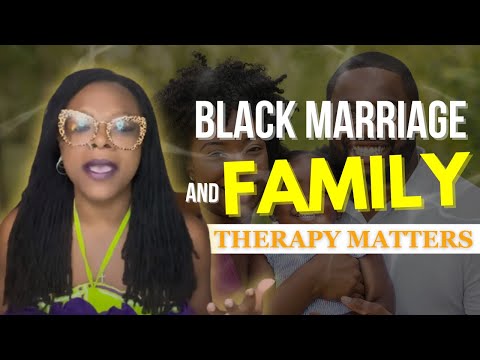
So, you’re thinking about seeing a therapist for your relationship, huh? Totally makes sense. Sometimes, we just need a little extra help to make things work, especially when it comes to love.
But what if you’re looking for someone who really gets the culture and challenges you face? You know, a Black marriage therapist might hit closer to home. It’s not just about finding anyone with a degree; it’s about connecting with someone who understands your background and experiences.
I get it—it can feel overwhelming to even start searching. Like, where do you begin? You want someone who you feel comfortable with, right? And that’s key in therapy. You want to dive deep into those feelings without worrying if they’ll understand your world.
Let’s chat about how to find that perfect fit near you. Because honestly? It’s out there waiting for you!
Finding a BIPOC Therapist Near You: A Guide to Culturally Competent Mental Health Support
Finding a BIPOC therapist can feel like a challenging journey, especially if you’re seeking someone who understands your unique experiences and culture. Seriously, it’s not just about getting therapy; it’s about connecting with someone who gets where you’re coming from. You want your therapist to resonate with you culturally and socially. Here’s how to find that right fit.
First off, consider what kind of therapy you’re looking for. Are you seeking individual support, or maybe something more specific like couples therapy? For example, if you’re searching for a Black marriage therapist, it’s helpful to clarify your needs up front.
Next, let’s talk about resources. There are several platforms and websites dedicated to helping people find BIPOC therapists. Websites like Therapy for Black Girls or Inclusive Therapists specifically focus on connecting clients with therapists of color. They often have search filters so you can narrow down to specialties and even insurance options!
When searching online, be sure to check out social media as well! Many therapists share their services on platforms like Instagram or Twitter. Just look for hashtags like #BIPOCTherapist or #BlackTherapist. It gives you some insight into their approach and personality before committing.
Then there’s the importance of networking within your community. Sometimes the best recommendations come from friends or family who’ve had positive experiences with BIPOC counselors. You could also reach out to local organizations that focus on mental health in minority communities; they often have lists of therapists they trust.
Another thing to keep in mind is cultural competence—it matters! Not every therapist has the same understanding of cultural nuances that are important in therapy sessions for people of color. Ask potential therapists how they approach issues related to race and culture during an initial call or consultation.
You might also want to think about logistics—like location and availability—because finding someone nearby can help ease your mind during those first few visits when everything feels so new!
Lastly, don’t hesitate to trust your gut feeling after the first couple of sessions. If something doesn’t feel right, it’s okay to seek someone else who better fits your needs—you deserve that comfort!
So yeah, finding a BIPOC therapist involves some legwork but remember—the connection you build is totally worth it! Take your time in choosing someone who aligns with your values and experiences; this relationship can be profoundly impactful on your mental wellness journey.
Find Culturally Competent African American Therapists Near You for Mental Health Support
Looking for a culturally competent therapist can feel like a daunting task, especially when you want someone who truly understands your unique experiences. If you’re searching for an African American therapist, particularly for marriage counseling or general mental health support, there are some important things to keep in mind.
First off, cultural competence is crucial. You want a therapist who not only gets where you’re coming from but also appreciates the nuances of your cultural background. Whether it’s understanding familial dynamics or the impact of systemic issues on mental health, having someone who recognizes these factors can make a world of difference.
Finding a Black marriage therapist means you’re seeking someone who understands both the personal and collective aspects of being African American. This can lead to a therapy experience that feels more authentic and relatable. And trust me, that connection helps in being open and honest during sessions.
Here are some tips on how to find culturally competent therapists:
- Online Directories: Websites like Therapy for Black Girls and TherapyDen have search tools tailored to help you find therapists based on race and specialty.
- Ask Around: Sometimes, just talking to friends or family members can lead you to recommendations. Word of mouth is powerful.
- Check Credentials: Look into their qualifications and experience with marriage counseling. Just because someone identifies as Black doesn’t automatically mean they specialize in the issues you may be dealing with.
- Therapist’s Style: Many therapists have websites or social media where they share their approach. Reading this can give you insight into whether their methods resonate with your needs.
- Consultation Calls: Don’t hesitate to schedule short calls with potential therapists. It’s totally okay to ask about their experience with African American couples or individuals before committing.
A friend of mine once shared her journey while searching for a Black therapist when she hit tough patches in her marriage. She found it helpful to talk about her relationship’s pressures from both individual and cultural lenses—stuff that felt too heavy to unpack with just anyone. When she finally found an African American therapist who specialized in marriage counseling, it made all the difference; she felt heard on so many levels.
You don’t need to compromise on finding a therapist who resonates with your life experiences. Remember, having someone who understands not just your struggles but also celebrates your cultural identity adds value to the healing process.
Don’t forget: Your mental health matters. Finding the right person might take some time, but it’s worth it when you feel supported and understood at such a pivotal moment in your life. Keep looking until that connection clicks!
Finding Compassionate Black Therapists in Houston: A Guide to Mental Health Support
Finding a therapist who gets you can be tough, especially when you’re looking for someone who shares your cultural background. You want to feel understood, right? So, if you’re in Houston and searching for a compassionate Black therapist, you’re definitely not alone. Here’s some practical stuff to keep in mind.
First off, start with **online directories**. There are sites like Therapy for Black Girls or the Black Therapist List where you can search specifically for therapists of color. These platforms often let you filter by location, type of therapy, and even insurance accepted. It’s super helpful because, like most people, you probably don’t want to waste time calling around.
Another great option is to check out local community centers or organizations that focus on mental health support in the Black community. Many places offer **support groups** and workshops led by culturally competent counselors who really understand the unique experiences that come with being part of the Black community.
You might also want to use **social media** to your advantage. Platforms like Instagram have many mental health advocates sharing resources and lists of therapists. You might find someone who sparks your interest just by scrolling through their posts or stories. It’s also a good way to get a sense of their vibe before reaching out.
Networking is just as important as any online search. Talk to people you trust—friends or family members—about their experiences with therapy. They might have recommendations based on their own journeys which could lead you to someone amazing.
Don’t forget about your insurance coverage! If you’re insured, check with your provider about mental health benefits and which therapists are in-network. This can save you a lot of hassle when it comes time for those billing conversations later on.
When reaching out to potential therapists, it’s totally okay to ask about their experience working with clients from diverse backgrounds or specific issues relevant to your life experiences—like marriage dynamics in the Black community if that’s what you’re focused on right now.
Finally, trust your gut when deciding if someone is the right fit for you. The first appointment might feel awkward; that’s normal! If they’re not clicking with you after a couple sessions? It’s perfectly fine to try someone else until you find that compassionate connection.
Navigating this journey can be tough—like walking through a maze blindfolded sometimes—but finding that supportive presence can make all the difference in managing what life throws at us. Remember: seeking help is strength!
You know, finding the right therapist can feel a bit overwhelming, especially when you’re looking for someone who really gets your experiences. It’s like searching for a needle in a haystack sometimes. When it comes to finding a Black marriage therapist, there’s this extra layer of comfort that can make all the difference. You want someone who not only understands relationships but also gets the cultural nuances that come with being part of the Black community.
The thing is, when you’re struggling in your marriage, talking to a therapist who shares your background can feel like an instant relief. It’s about more than just expertise. It’s about connection, representation—someone you don’t have to explain your cultural references or lived experiences to. For many couples, especially those navigating racial issues alongside relationship challenges, having a therapist who understands both perspectives is huge.
I remember my friend Tara saying how she felt so much lighter after her first session with her Black therapist. She had been battling feelings of isolation and frustration in her marriage, but hearing her therapist voice similar experiences made all the difference. It wasn’t just talk therapy; it was healing through shared understanding.
When you’re looking for a therapist in your area, consider checking community organizations or online directories that focus on diverse professionals. Sometimes local networks can connect you with resources tailored specifically to your needs. Seriously, some therapists even specialize in culturally informed practices which can be super beneficial.
And let me tell you: meeting with someone who sees and respects every part of you—your race, your culture—brings this authenticity into the therapy room that’s hard to replicate otherwise. So if you or someone you know is on the hunt for support and representation within the mental health space, take heart because there are folks out there committed to helping you navigate those tough waters together. You deserve that kind of support!