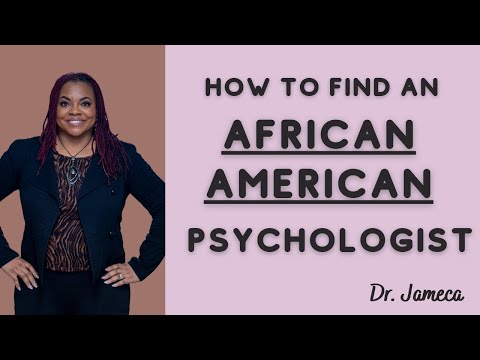
So, let’s chat about something real: therapy. You know, that thing that can feel a bit intimidating, but totally doesn’t have to be?
Finding the right therapist can feel like searching for a needle in a haystack. You want someone who gets you, your experiences, and your culture. Plus, it helps when they truly understand where you’re coming from, right?
If you’re looking for a Black relationship therapist in your area, you’re already on the right track. Seriously! It makes a difference when someone speaks your language—not just in words, but in understanding.
Let’s break it down together and make this search feel less overwhelming. Sound good? Great—let’s go!
Understanding the 3-Month Rule in Mental Health: Key Insights for Emotional Well-Being
The 3-Month Rule in mental health is all about giving yourself time when starting therapy. Basically, it suggests that if you’re not feeling better or noticing some sort of change after three months of regular sessions, it might be time to reassess your situation. So what does this mean for you? And how does it relate to finding a therapist, especially someone who understands your specific needs like a therapist who identifies as Black? Let’s break this down.
When you think about starting therapy, the anticipation can feel exciting but also scary. You might go in hoping for immediate change. But here’s the thing: therapy can take time. It’s normal! The 3-Month Rule really emphasizes patience and commitment.
Therapy is a journey. Each person’s experience is unique, and progress can look different from one individual to another. Some people might hit milestones earlier; others may find themselves struggling longer with certain issues.
So, what should you keep in mind during those first three months? Here are some key insights:
Now, when searching for a Black relationship therapist, connection is important too. Finding someone who truly gets your experiences can foster a sense of safety and understanding in therapy.
You might wonder: how do I find the right person? Here are some steps:
A little story here: my friend Lisa spent years exploring various therapists before she found the right match—a Black woman who understood her cultural background and relationship challenges. In her first session, Lisa felt something shift immediately; it was like finally being seen after years of feeling overlooked in therapy spaces.
So when thinking about that 3-Month Rule while looking for a therapist who feels right for you—remember it’s okay to seek connection and understanding that honors your identity and experiences.
In it all—therapy takes time, effort, and sometimes multiple tries before you find what works best for you! If after three months you’re not vibing well with your therapist or feeling like you’re moving forward—a change might be necessary!
Finding the Right Therapist for Relationship Issues: A Comprehensive Guide
Finding the right therapist for your relationship issues can feel like searching for a needle in a haystack. Seriously, it’s not always easy. You want someone who understands your background, culture, and unique challenges. So if you’re looking for a Black relationship therapist, here are some pointers to help you navigate this journey.
Start with understanding what you need. Are you dealing with communication problems, trust issues, or maybe something deeper? Pinpointing your main concern can help narrow down potential therapists who specialize in those areas.
Another key step is using specialized directories. Websites like TherapyForBlackGirls or the Black Therapists Network can connect you with professionals who understand the cultural dynamics of relationships in the Black community. These platforms often have filters that let you search by location and specialty.
You should also consider the therapist’s qualifications. Look for someone licensed and experienced in couples therapy or whatever specific area you’re facing. Credentials matter because they reflect training and experience. You’ll want someone who’s equipped to handle complex emotions without judgment.
Don’t forget about personal compatibility. It’s important to feel comfortable opening up. So when you first connect with a therapist, pay attention to how their style resonates with you. Some therapists are more direct while others might take a gentler approach—know what works for you.
Next up is checking availability. Just because a therapist has amazing credentials doesn’t mean they’re right for you if they’re booked solid for months! Find someone whose schedule aligns with yours so you’re not left waiting around when things get tough.
Also consider affordability. Therapy can be pricey, so check if they accept insurance or offer sliding scale fees based on income. Some therapists might even have special programs aimed at making their services accessible to everyone.
Don’t be afraid to ask questions during your initial consultation. This is your chance to see if they’re a good fit! You could ask about their approach to therapy or how they handle conflict in relationships—these things can tell you a lot about whether you’ll vibe together.
Lastly, remember that it might take some time to find the right fit. Sometimes it doesn’t click on the first try—don’t get discouraged! It’s totally okay to switch therapists if things aren’t working out. After all, this is about your mental health and happiness.
By following these steps and staying true to what feels right for you, finding a Black relationship therapist who understands where you’re coming from becomes much more doable! Good luck on your journey; you’ve got this!
Find the Right Black Therapist in Minnesota for Your Mental Health Journey
Finding the right therapist can be a tough journey. Especially when you want someone who understands your cultural background and experiences. So, if you’re looking for a Black therapist in Minnesota, there are a few things to consider that might help you along the way.
First off, think about what you’re comfortable with. It’s really important that you feel safe opening up to someone about your thoughts and feelings. For many folks, having a therapist who shares similar cultural experiences can create that sense of safety and understanding.
Start by checking out local directories that focus specifically on Black therapists. Websites like Therapy for Black Girls or the Black Therapist Directory are great places to begin. They often have filters for location, specialties, and even insurance types to help narrow down your search.
You might also want to reach out to community organizations in Minnesota that focus on mental health or cultural support. They often have lists of therapists or can connect you with resources tailored for the Black community. Places like the African American Family Services in Minneapolis can be a starting point.
When you find some potential therapists, don’t hesitate to ask questions during an initial consultation. It’s totally okay to inquire about their experience working with clients from your background or their approach to therapy. This is your mental health journey after all!
Another good idea is to check if they offer services that meet your needs—whether that’s individual therapy, couples counseling, or something else entirely. And remember, it’s okay if the first therapist you meet isn’t the right fit; finding someone who truly resonates with you can take time.
And let’s not forget about logistics! Make sure you’re clear on their fees and whether they accept your insurance. Cost shouldn’t stand in the way of getting help!
Lastly, tap into word-of-mouth recommendations among friends or family members who might have had positive experiences with a therapist in your area. Their insights can be invaluable!
So be patient with yourself through this process—it’s totally normal for it to take some time before you feel completely comfortable with someone new. Finding the right Black therapist means setting yourself up for success on this important journey towards better mental health.
Finding a Black relationship therapist can feel like a real challenge, right? It’s not just about finding someone who’s qualified; it’s also about feeling understood on like a deeper level. You want to feel that they get where you’re coming from, especially when it comes to the unique experiences tied to being part of the Black community.
So, imagine you’re dealing with some relationship issues—maybe you and your partner are stuck in the same old arguments or struggling to communicate. You decide it’s time to seek help. The thought of talking about your feelings is nerve-wracking enough, but then you start thinking about how your cultural background plays into all this. Like, can I really open up to someone who might not understand my life experiences?
Last summer, I was chatting with a friend who faced this very dilemma. She wanted help but just didn’t feel comfortable with therapists who didn’t reflect her background. Eventually, she found a fantastic Black therapist through her local community groups online. It was a game-changer! This therapist not only had the skills but also shared similar cultural references and life experiences. They related over things like hair care and family gatherings—stuff that made her feel at home.
Getting that sense of connection is crucial. You want to be able to share your stories without having to explain every little detail about your identity or community struggles. So yeah, seeking out someone who shares similar backgrounds can make those therapy sessions so much more effective.
Online directories focusing on diverse therapists are definitely worth checking out too. Websites that cater specifically to underrepresented professionals often have filters for finding Black therapists in your area. Social media groups and local meetups can also lead you towards those hidden gems.
And remember: it’s okay if it takes time to find the right fit! Therapy is personal and kinda intimate; it’s like dating but for mental health! Keep searching until something clicks because you deserve that support from someone who truly understands where you’re coming from in all its richness. Sometimes focusing on representation makes all the difference in feeling heard and valued during such vulnerable moments in life.