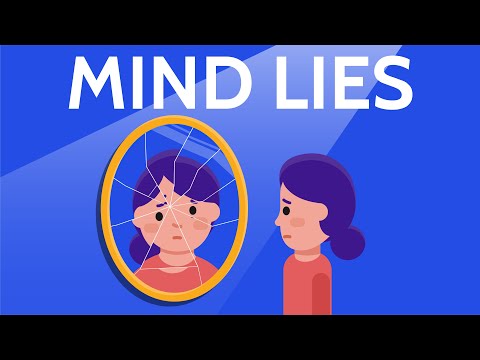
You know those days when your brain just spirals? Like, suddenly, you feel like everything is doom and gloom?
Well, that’s probably some cognitive distortions at play. They’re sneaky little thoughts that mess with our heads.
Imagine thinking, “I always mess things up,” after one tiny mistake. Sounds familiar, huh? It can really take a toll on how you see yourself and the world.
Let’s chat about these pesky distortions. We’ll break down a few of the common ones and how they affect your mood and mindset. It’s pretty eye-opening stuff!
Understanding Common Cognitive Distortions: Their Impact on Mental Health and Brain Function
Understanding common cognitive distortions is crucial because they shape the way you see yourself and the world, often leading to stress, anxiety, and other mental health challenges. Cognitive distortions are basically those sneaky thought patterns that twist reality. They make you think in ways that aren’t entirely true or fair, affecting how you feel and behave.
So, let’s break down a few of these distortions. Here are some of the big hitters:
- All-or-Nothing Thinking: You see things in black and white. If you don’t achieve perfection, you might feel like a total failure. Remember that time you didn’t ace that presentation? You thought it was all ruined when really, it went okay.
- Overgeneralization: You take one instance and turn it into a broad rule. Like if someone doesn’t text back right away, your brain might scream that no one cares about you. It feels heavy, right?
- Mental Filtering: You focus only on the negatives while ignoring positives. Maybe after a party, someone compliments your outfit but all you can think about is that awkward conversation with an acquaintance.
- Diminishing the Positive: When good things happen, you chalk them up to luck or say they don’t count. So if you got a compliment on your cooking, you’d just shrug it off as “they were just being nice.”
- Personalization: You blame yourself for things out of your control. Like if your friend seems upset and you’re convinced it’s because of something stupid you said. Talk about heavy baggage!
These distorted thoughts influence how we view ourselves and our interactions with others. Let’s say you’re stuck in a loop of negative thoughts—this can lead to feelings of hopelessness or worthlessness over time.
The brain isn’t just sitting idle while this is happening either! Cognitive distortions can trigger chemical reactions within our brain—like cranking up cortisol levels associated with stress—messing with mood regulation and overall mental health.
Look, it’s important to be aware of these patterns because they can sneak up on anyone. Understanding them gives you clarity and helps you challenge those nasty thoughts when they pop up.
When you’re aware that thoughts aren’t facts but more like little pesky gremlins trying to mess with your head—you build resilience. Learning to counteract this stuff isn’t easy; it takes practice! But even small shifts in thinking can lead to big changes in feelings over time.
So next time those negative thought patterns pop up like an unwelcome guest at your party, remember: You’re not alone in this struggle! And by recognizing these cognitive distortions for what they are—that’s when transformation begins!
Understanding Cognitive Distortions: Free PDF Guide to Improve Your Mental Health
Cognitive distortions are basically those sneaky little thoughts that can twist your perception of reality. They’re like a funhouse mirror, making you see things that aren’t really there. These thought patterns can affect your mood and how you react to situations. Let’s break down some common ones, shall we?
All-or-Nothing Thinking is when you see things in black and white. Like, if you don’t get an A on a test, you think, “I’m a complete failure.” That’s super harsh! Life is rarely that simple.
Overgeneralization happens when you take one negative event and make it seem like the end of the world. Say you mess up at work once, and suddenly it feels like you’re gonna mess everything up forever. Yeah, that’s not true!
Filtering involves focusing only on the negative aspects of a situation while ignoring the positives. Imagine getting great feedback from your boss but fixating solely on a tiny critique. It’s like wearing blinders to all the good stuff.
Disqualifying the Positive is pretty similar, where you dismiss good experiences as flukes or luck instead of acknowledging your hard work. You won an award? Nah, it was just because everyone else messed up.
Then we’ve got Mental Filter. This is when you take one negative detail from something and let it overshadow everything else. So if someone says they liked your presentation but offers one piece of criticism, you’ll dwell on that criticism instead of the praise.
Jumping to Conclusions, specifically mind reading or fortune telling, means assuming what others are thinking or predicting terrible outcomes without evidence. Like thinking your friend ignored you because they dislike you? Totally could be they were busy!
Let’s also chat about Catastrophizing. This is when small issues become giant problems in your head—like turning a missed call into “my friend hates me.”
And don’t forget about Emotional Reasoning. Just because you feel something doesn’t mean it’s true! Feeling anxious about something doesn’t guarantee it’s actually dangerous.
These distortions can lead to feelings of anxiety, depression, or just general unhappiness over time if you’re not careful.
Awareness is key here! Being able to identify when these thoughts pop up gives you some serious power over them; it’s like having a mental toolkit ready to go. And if you’re looking for more info, there are resources available—like free PDFs or guides—that detail how these distortions impact mental health and ways to challenge them.
So next time those pesky thoughts start playing tricks on your mind, remember—you’ve got what it takes to push back against them! Recognizing cognitive distortions can help lighten that mental load and improve your overall well-being.
Understanding Cognitive Distortions: Top Examples and How They Affect Your Mind
Cognitive distortions are like those pesky little gremlins in your head that twist your thoughts into something unrecognizable. They can really mess with how you see the world and yourself, leading to negative feelings and behaviors. Understanding these distortions can help you take control of your mind and improve your mental health, so let’s break it down.
What are Cognitive Distortions?
They’re basically incorrect ways of thinking that lead you to perceive reality inaccurately. You might not even realize you’re doing it! It’s like wearing foggy glasses—everything looks a bit skewed.
Common Types of Cognitive Distortions:
Let’s look at some examples:
- All-or-Nothing Thinking: This one is about viewing situations in black-and-white terms. If you don’t ace a task, you might think you failed entirely. Like, if you make one mistake on a project, you feel like a total failure instead of recognizing all the good work you’ve done.
- Overgeneralization: This is when one negative event makes you believe that the same thing will always happen in the future. Say someone didn’t text you back; suddenly, you’re convinced nobody likes you. Seriously, it’s wild how quickly our brains jump to conclusions.
- Mental Filtering: Here, the focus is on just the negative details while ignoring the positives. Got five good compliments and one bad review? You’ll probably fixate on that single critique and spiral from there.
- Diminishing the Positive: Similar to filtering but more about dismissing anything good that happens. Maybe someone tells you what a fantastic job you’re doing at work, but deep down, you’d think they’re just being nice or don’t really mean it.
- Jumping to Conclusions: This involves making assumptions without evidence. Like thinking your friend is mad at you because they didn’t respond right away—totally not cool!
- Catastrophizing: It’s all about imagining the worst possible outcome for every situation. If your boss asks if they can talk to you for a minute, you’d instantly think you’re getting fired! Like, chill out; maybe they just want to chat.
- Emotional Reasoning: This is when your feelings dictate what’s true. You feel anxious about social situations and then conclude that everyone else thinks you’re awkward too—a total mind trap!
The Psychological Effects:
These distortions can lead to anxiety, depression, low self-esteem—basically a whole cocktail of emotional distress. It’s exhausting! And if you’ve ever felt stuck in a negative loop where every thought feels heavy or overwhelming, well this might be why.
Challenging Cognitive Distortions:
Recognizing these patterns is the first step toward changing them. You can ask yourself questions like: “Is this thought based on facts or feelings? Is there any evidence against my belief?”
When I was caught in an overgeneralization whirlwind during college—failing one exam made me feel like I was doomed forever—I learned to challenge my thoughts regularly. Talking it out with friends helped me see things clearer too!
The Bottom Line:
Cognitive distortions are super common and often go unnoticed until they create real issues in our lives. So try getting familiar with these patterns—it could change how you see things for the better! We’re all human here; we all have those “off” moments but understanding them can really help us move forward with more clarity and kindness toward ourselves.
You know, it’s kind of wild how our minds can play tricks on us. Often, we find ourselves caught in these loops of thinking that twist our perceptions. It’s called cognitive distortion, and it happens to all of us—you probably just didn’t realize it had a name!
Let me tell you about my friend Sarah. She’s super bright and talented but often thinks she’s a failure whenever she makes a mistake. Like, if she messes up at work, she’ll tell herself she’s just not cut out for her job. That kind of thinking is classic “all-or-nothing” thinking—she sees the situation in black and white. The reality? Everyone makes mistakes; it doesn’t make her any less capable or worthy. Still, those distorted thoughts can weigh heavy on her self-esteem.
There are other common ones too, like overgeneralization—where you take one negative event and blow it up to mean everything is bad. Imagine getting rejected from a date and then telling yourself you’ll be alone forever—that’s some serious mind gymnastics! Then there’s “catastrophizing,” where you assume the worst will happen. Think about those restless nights when your brain won’t stop playing scenarios in your head until you’re convinced you’ll totally fail tomorrow.
These thoughts don’t just stay harmlessly in our heads; they affect how we feel and act too. If Sarah believes she’s a failure, she might avoid taking risks like applying for that promotion or pursuing new passions. It’s like a nasty cycle—distorted thoughts lead to negative feelings and behaviors that reinforce those thoughts.
But here’s the kicker: recognizing these distortions is like shining a light in a dark room. You start noticing them for what they are—a trick your mind is playing on you! Once Sarah began to see her all-or-nothing views as just that—a distorted view—she could start reframing them into something more balanced.
And hey, this isn’t about brushing off real feelings or problems, right? It’s more about giving yourself some grace when things go sideways instead of jumping straight into the pit of despair! After all, life isn’t perfect; it’s messy and beautifully human.
The psychological effects of these cognitive distortions can be pretty heavy—think anxiety, depression, low self-worth… the list goes on! But when we learn to challenge those distorted thoughts? We give ourselves permission to see life with clearer eyes—a little more peace with ourselves.
So next time you catch yourself spiraling into one of those harmful thought patterns, take a step back. Challenge what you’re telling yourself and maybe even give yourself a break! You deserve it!