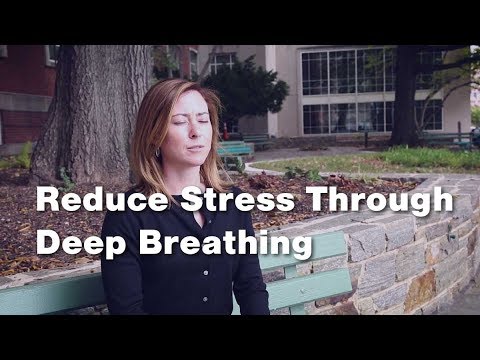
You know that feeling when your heart’s racing, and the world just feels like too much? Yeah, we’ve all been there. Stress can do a number on your blood pressure, and that’s not good news.
But what if I told you that something as simple as your breath can help chill you out? Seriously! Breathing techniques are like little magic tricks for your body.
They can help lower stress and keep your blood pressure in check. It’s honestly wild how much power our breath has. Let’s chat about some easy ways to use it!
Effective Strategies to Reduce Stress and Lower Blood Pressure Naturally
Dealing with stress is a part of life, but too much of it can really mess with your body. If you’re feeling overwhelmed, learning some **breathing techniques** can be a game-changer for managing your stress and lowering blood pressure. Let’s break it down.
First off, when you’re stressed, your body goes into fight-or-flight mode. Your heart races and blood pressure skyrockets. That’s where breathing techniques come in handy. They not only help calm your mind but also send a message to your body that it’s time to chill out.
Deep Breathing is super effective. Just take a moment to find a quiet space, if you can. Sit or lie down comfortably. Then:
- Inhale deeply through your nose for about four seconds.
- Hold that breath for another four seconds.
- Exhale slowly through your mouth for six seconds.
It may sound silly at first, but doing this for five minutes can seriously lower stress levels and even help reduce blood pressure over time.
Then there’s Diaphragmatic Breathing, which is fancy-talk for using your diaphragm more effectively while breathing. When you breathe like this, it engages the lower lungs and helps you get more oxygen into your system.
Here’s how you do it:
- Sit or lie down comfortably.
- Place one hand on your belly and the other on your chest.
- Breathe in through your nose; focus on expanding your belly instead of the chest.
- Exhale slowly through pursed lips.
You’ll notice that only the hand on your belly moves significantly while the hand on the chest stays put.
Oh! And don’t forget about 4-7-8 Breathing. It’s pretty straightforward and great to use when you’re feeling anxious:
- Breathe in quietly through the nose for 4 seconds.
- Hold that breath for 7 seconds.
- Then exhale completely through the mouth for 8 seconds.
This method not only calms anxiety but might also help with sleep issues.
Speaking of sleep, let’s talk about Meditative Breathing. This method incorporates mindfulness and breathing together:
1. Sit or lie comfortably.
2. Close your eyes.
3. Focus entirely on each breath—how it feels entering and leaving your body.
4. If thoughts creep in (and they will), just acknowledge them and return focus to breathing.
Regular practice of these techniques isn’t just good during stressful moments—it can also build resilience over time!
And let’s not forget how simple lifestyle changes like regular exercise, healthy eating habits, and staying hydrated play huge roles too! Seriously, physical activity prompts the release of endorphins—those feel-good hormones—and helps lower blood pressure naturally.
So yeah, combining these breathing techniques with some lifestyle tweaks could really set you up for better stress management and healthier blood pressure levels overall. Every little bit counts when you’re working towards a calmer life!
Effective Relaxation Techniques to Lower High Blood Pressure
So, you’re looking for some effective relaxation techniques to help lower high blood pressure? Well, let’s break it down. High blood pressure can feel like a sneaky little monster lurking in the background. It’s often caused by stress, not getting enough sleep, or just the daily grind of life. Relaxation techniques can really make a difference.
One of the best ways to manage stress and lower blood pressure is through **breathing techniques**. These are simple yet powerful tools you can use anytime, anywhere. The beauty of these methods is that they don’t require any fancy equipment or complicated setups. Just you and your breath.
Deep Breathing is one of the most popular techniques. Here’s how it works: find a comfortable place to sit or lie down. Inhale deeply through your nose, letting your belly expand like a balloon. Hold for a few seconds, then exhale slowly through your mouth. Focus on each breath and let go of any tension in your body.
You might also want to try 4-7-8 Breathing. This one packs a punch! Inhale for 4 seconds, hold that breath for 7 seconds, and then exhale slowly over 8 seconds. It sounds simple, but this rhythm helps calm your nervous system and reduce anxiety levels.
Another fun technique is box breathing. Imagine drawing a box with your breath: inhale for 4 counts as you visualize one side of the box going up, hold for another 4 counts as you reach the top corner, then exhale while tracing downwards for 4 counts. Finally, hold at the bottom for another 4 counts before repeating it all again.
And hey, progressive muscle relaxation can be super helpful too! You basically tense each muscle group in your body tightly for about five seconds and then relax them fully. You start from your toes and work all the way up to your head or vice versa—whatever floats your boat! This process helps identify where you might be holding tension that you didn’t even know was there.
When using these techniques regularly, you’ll likely notice changes not just in how relaxed you feel but also in how you physically respond to stressors in life—totally awesome right?
Don’t forget about mindfulness meditation. It’s about being present in the moment without judgment or distraction—just focusing on here and now! Even five minutes of mindfulness each day can create lasting effects on lowering blood pressure levels by teaching you how to handle stress better.
Oh! And if you’re into more physical activities, consider yoga or tai chi. They combine gentle movements with deep breathing and meditation elements which are fantastic for lowering blood pressure while keeping stress at bay.
So remember: relaxations techniques aren’t just fluffy concepts; they’re valuable tools that can help manage high blood pressure if used consistently. With practice, they’ll become second nature—just like taking a deep breath when life gets hectic!
7 Effective Breathing Exercises to Naturally Lower Blood Pressure: Unlock the Truths for Better Health
Breathing exercises can be a game changer when you’re feeling stressed out or if you’re trying to manage blood pressure naturally. Seriously, it’s all about how the way you breathe can affect your body and mind. Here’s a look at some effective techniques and why they can help.
1. Diaphragmatic Breathing: Also known as belly breathing, this technique involves using your diaphragm rather than just shallow chest breathing. It helps reduce stress and lowers heart rate, which can lower blood pressure. To do this, sit comfortably or lie down. Place one hand on your chest and the other on your belly. Inhale deeply through your nose, letting your belly rise while keeping your chest still. Exhale slowly through pursed lips.
2. Box Breathing: This is a classic technique used by everyone from athletes to Navy SEALs to calm nerves quickly. Picture a box; you breathe in for four counts, hold for four counts, breathe out for four counts, and hold again for four counts before repeating it several times. It’s like resetting your system!
3. 4-7-8 Breathing: This method promotes relaxation and helps with anxiety too! You inhale quietly through the nose for a count of 4, hold the breath for a count of 7, then exhale completely through the mouth for a count of 8. Repeat this cycle four times to feel calmer.
4. Alternate Nostril Breathing: In yoga practice, this exercise is thought to create balance in the body and mind by mixing up inhaling and exhaling through each nostril alternately. Close off one nostril with your finger while inhaling through the other; switch sides after each inhale-exhale cycle.
5. Pursed Lip Breathing: This one’s super simple! Just inhale through your nose slowly and then exhale slowly through pursed lips as if blowing out a candle or sipping through a straw. This technique helps keeps airways open longer which enhances oxygen exchange in the lungs.
6. Mindful Breathing: It’s all about being present while you breathe! Focus on how each breath feels entering and leaving your body without judging any thoughts that come up—just observe them like clouds passing overhead.
7. Progressive Muscle Relaxation with Breath Work: While you’re doing mindful breathing or deep breathing techniques, try tensing then relaxing different muscle groups throughout your body to release tension simultaneously as you breathe calmly.
So here’s a little story: A friend of mine was always anxious before big presentations at work—heart racing, palms sweaty—you know how it goes! One day I suggested some deep breathing exercises right before her talk. She tried box breathing in the restroom—and boom! She felt centered enough to crush her presentation without losing her cool!
Using these breathing techniques regularly could make all the difference—whether it’s calming pre-presentation jitters or just lowering those blood pressure numbers over time! Just remember though: consistency is key; practicing even just five minutes every day can lead to noticeable changes in how you feel physically and emotionally.
You know, breathing might seem boring or too simple, right? But hear me out—it can really do wonders for your blood pressure and stress levels. I remember this one time I was feeling super overwhelmed at work. The deadlines were piling up, and my heart felt like it was racing. So, I decided to take a quick break and try some deep breathing techniques. It was like flipping a switch.
When you breathe deeply, it’s not just about inhaling and exhaling; it’s about really tuning into your body. You probably know that when you’re stressed, your breath becomes shallow and rapid. That’s like your body’s way of saying “Hey! Something’s wrong!” But when you switch it up with slower, deeper breaths—like counting to four while inhaling through your nose, holding for a moment, and then exhaling through your mouth—you’re telling your body it’s cool to chill out.
What happens is you activate the parasympathetic nervous system. Fancy term? Sure! But basically, this part of your nervous system helps calm everything down. It lowers that racing heart of yours and brings the focus back to the moment instead of all those crazy thoughts spinning in your head.
And get this: studies have shown that consistent deep breathing can actually lower blood pressure over time. It’s almost as if you have this natural tool right at your fingertips—no medication required! Whenever you feel tension creeping in during the day or if blood pressure numbers are climbing up a bit too high, just take a moment for yourself.
I’ve started doing this whenever life gets hectic: before meetings or even when I wake up in the morning. Just a few minutes of breathing can set the tone for how my day goes. Seriously calming stuff! So next time you’re feeling frazzled or those numbers on the monitor aren’t what they should be, don’t underestimate the power of just taking a breath—or several!