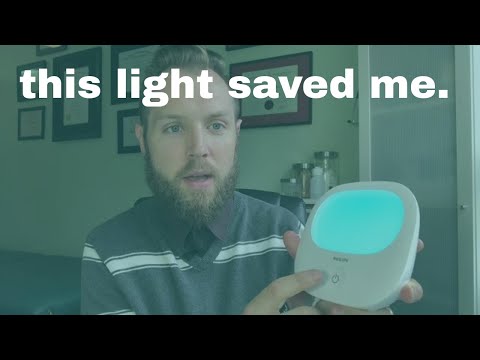
So, you know those days when everything feels just a bit too heavy? The sky’s gray, and it’s like your mood sinks right along with it. Yep, that’s depression. It sneaks up on you when you least expect it.
But there’s this thing called blue light therapy. Sounds fancy, huh? Well, it’s actually pretty straightforward and might just be a game changer for some folks battling the blues.
Imagine sitting in front of this bright light for a little while each day. It can help lift that fog and bring a little sunshine back into your life.
Let’s chat about how this works and who it might help!
Unlocking Mood Boosts: A Comprehensive Guide to Blue Light Therapy for Depression
So, you’ve probably heard of blue light therapy, right? It’s been getting a lot of buzz lately for its potential benefits in improving mood, especially when it comes to dealing with depression. You know, those gloomy days when everything feels heavy? Well, blue light therapy offers a glimmer of hope.
First off, let’s break down what blue light therapy actually is. Basically, it involves exposure to specific wavelengths of blue light to help regulate your body’s internal clock and improve your mood. Think of it like resetting a misbehaving alarm clock. This kind of light mimics natural sunlight and can be super effective in treating Seasonal Affective Disorder (SAD) and non-seasonal depression.
You might wonder how it works. So, here’s the thing: our brains have these cells called intrinsic photosensitive retinal ganglion cells that react to light. When you get that bright blue light, it tells your brain to be more alert and boosts serotonin levels—often nicknamed the “feel-good” hormone. More serotonin means better moods!
Now let’s talk about some practical stuff. If you’re thinking about giving this a shot, here are a few things to keep in mind:
It’s usually best to use the lamp in the morning—not too early but not too late either. Think around 7-9 AM. If you’re like me, having that morning routine sets the tone for the day!
Most folks find that 20-30 minutes is ideal for a session, so grab your coffee or tea and soak it in.
Sit about 12-24 inches away from the device; you want that sweet spot for maximum benefits without straining your eyes.
Beyond just helping with mood, some people also notice improvements in sleep patterns after consistent use over time—like getting better zzz’s! That can seriously change everything because sleep is such a crucial component of mental health.
It’s worth mentioning that not everyone experiences the same results with blue light therapy. For instance, my buddy tried it out last winter during those dark months when he felt low energy all the time. He told me he noticed gradual changes over weeks—it wasn’t instant gratification but definitely an upward trend overall.
But hey, there are some precautions too! Blue light can exacerbate certain eye conditions or interfere with sleep if used too late at night because it’s pretty stimulating. Always best to chat with your doc before jumping into anything new!
To wrap up this little chat on blue light therapy: if you feel like something’s missing during those darker days or even during more clouded times mentally, this might be worth exploring further as part of your self-care toolkit. Just remember—it’s not magic but could be an awesome addition alongside other treatments or strategies you might already have!
Unlocking the Power of Red Light Therapy: A Natural Approach to Alleviating Depression
Seems like you’re curious about red light therapy and its potential benefits for depression. Well, let’s break it down in a way that makes sense without getting too deep in the weeds.
Red light therapy uses low-level wavelengths of light, usually between 600 and 1,000 nanometers, to help treat various conditions. The science behind it is pretty neat. It’s thought to work by stimulating cells in your body to produce more energy, which can lead to better healing and mood improvements.
How does it relate to depression? Well, the thing is that some studies suggest that red light therapy might help alleviate symptoms of depression. Like its blue counterpart—often used to mimic sunlight during darker months—red light could boost your overall mood.
Imagine this: you’re feeling stuck in a rut during winter. Those grey skies aren’t helping your mental state at all! Now, think about sitting under a glowing red light for a bit each day. Researchers believe this could gently encourage your brain to feel a little brighter, just like a morning sun can lift your spirits.
Some key points about red light therapy are:
- Non-invasive treatment: Unlike medications that might come with side effects, red light therapy typically has very few risks.
- Easier access: It can be done at home with devices that are becoming more affordable.
- Complementary care: It might work well alongside other treatments like talk therapy or medication without interfering.
- Potential for improvement: A number of people report feeling calmer and experiencing less anxiety after consistent use.
There’s still more research needed on how effective it really is over the long term. But hey, if you’re looking for natural ways to cope with those down days, exploring options like this could be worth considering.
And here’s something else important: while red light therapy may sound promising, always keep communication open with a mental health professional when trying out new approaches. You want someone in your corner who understands your unique situation and can guide you safely.
So yeah, there’s definitely potential there with red light therapy! If it feels right for you and fits into what you’re already doing for your mental health, it might just make those tough days feel a little easier to manage.
Exploring the Benefits of Red Light Therapy for Alleviating Depression and Anxiety
Red light therapy is gaining some buzz lately, especially when it comes to tackling issues like depression and anxiety. It’s intriguing, right? This therapeutic approach uses low-level wavelengths of red light to stimulate healing. That’s the gist of it. But, how does it play into mental health?
First off, let’s talk about how red light therapy works. The idea is that red light penetrates your skin and helps cells produce more energy. Think of it like charging your phone but for your body’s cells! This boost can lead to improved mood and reduced feelings of sadness or anxiety.
Now, you might be wondering why we’re comparing red light therapy to blue light therapy. Well, they both seek to help with mood disorders but in slightly different ways. Blue light therapy has been used for some time now to combat seasonal affective disorder (SAD), which is basically depression related to changes in seasons and daylight exposure. With red light therapy, the focus is more on general well-being.
Here are a few key points about its benefits:
It’s worth mentioning that while there’s promise in this area, research is still ongoing. You know how sometimes you hear about a treatment that sounds great but then doesn’t fully deliver? Yeah—this isn’t quite there yet either.
Let’s take a moment for an anecdote here: Imagine someone named Jen who struggled with anxiety after moving away from home for work. She tried everything—therapy sessions and medication—and while those helped somewhat, she was still searching for something else. On a friend’s recommendation, she tried red light therapy at a local wellness center. Within weeks, she noticed her mood lifted noticeably! The anxiety attacks were less frequent too! It was like she found an extra tool in her toolbox.
However good things sound though—don’t rush off into trying this without doing your homework first! Chatting with a healthcare professional before jumping on the bandwagon always makes sense.
So yeah, while red light therapy isn’t going to replace traditional treatment methods just yet—it has potential benefits worth exploring if you’re feeling down or anxious. Just remember: combining therapies might be key here!
You know, it’s kinda wild how we’re always looking for new ways to deal with mental health stuff. I mean, life can get pretty dark, and a lot of us have experienced those deep dips into sadness or depression. Sometimes it feels like there’s no way out. But then you hear about things like blue light therapy, right? And you wonder if this could really help lift that heavy weight off your shoulders.
So, here’s the scoop: blue light therapy uses specific wavelengths of light to affect your mood. It sounds a bit sci-fi, but researchers are finding that exposure to this type of light can help ease symptoms of depression, especially in people who struggle with seasonal affective disorder (SAD). It’s like when the sun peaks out after a long winter and suddenly everything feels a bit brighter; it’s an instant mood booster!
I remember when my friend Sarah went through a tough time last winter. She was feeling really low and just couldn’t shake off the blues. After hearing about blue light therapy from her therapist, she decided to give it a shot—what did she have to lose? So she got one of those light boxes and started using it every morning while sipping her coffee. Surprisingly enough, within a few weeks, she felt more energetic and less foggy-headed. It was like watching her come back to life after being in hibernation for months!
But here’s the thing: blue light therapy isn’t a magic wand that makes everything better overnight. It works best when combined with other treatments, like talk therapy or medication—if that’s what you need. Plus, everyone’s different; what works for one person might not do much for another.
And while it sounds easy-peasy to sit in front of a bright box of light each day, it’s still important to take care of yourself in other ways too—exercise, eat well (mmm… donuts don’t count), and connect with others when you can.
So yeah, blue light therapy has its place in the toolbox against depression. It’s an interesting option if you’re seeking some relief from those gloomy feelings that sometimes creep in uninvited. Have an open mind and see where your journey takes you!