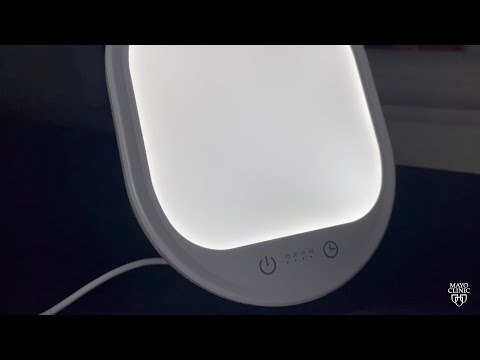
So, winter is like, upon us again, right? Those chilly days can be a real drag. You know that feeling when it’s dark by 5 PM and all you want to do is hibernate? Yeah, that’s Seasonal Affective Disorder for you.
It’s like your mood takes a nosedive just because the sun decided to clock out early. Trust me, I’ve been there. Some days are tougher than others. But here’s the thing: Blue light therapy might just be the little boost you need.
Picture this: sitting in front of a bright light box while sipping your morning coffee. Sounds kinda cozy, right? Let’s chat about how this simple therapy might help lift those winter blues and put some sunshine back into your life!
Unlocking the Benefits of Blue Light Therapy for Depression: A Comprehensive Guide
So, let’s chat about blue light therapy and how it can help with feelings of sadness, especially during those gloomy winter months when the days are short and the clouds seem to linger forever. You know that heaviness you sometimes feel? A lot of folks experience something called Seasonal Affective Disorder (SAD), where they get the blues because of the lack of sunlight. Blue light therapy can be a shining beacon for some people dealing with that.
What is Blue Light Therapy?
Basically, it involves sitting in front of a special light box that emits bright light mimicking natural sunlight. This therapy is thought to work by influencing your circadian rhythms—those internal clocks we all have that help regulate our sleep-wake cycles and mood. When your body gets more exposure to this blue light, it can help you feel more energized and less down in the dumps.
How Does It Help with Depression?
Here’s the thing: Blue light therapy can boost your serotonin levels, which is like giving your brain a little pick-me-up! Serotonin is often called the «feel-good» hormone because it’s linked to happiness and well-being. More serotonin can mean less depression symptoms for people with SAD.
Now, let’s break down some key points about this therapy:
- Timing Matters: It’s usually best done in the morning to kickstart your day.
- Duration: Sessions typically last between 20 to 30 minutes.
- Distance: You don’t need to be super close; just sitting about two feet away from the box usually does the trick.
- Consistency: For optimal results, you might need to do this daily during those darker months.
Potential Side Effects
While many people find relief from their symptoms through blue light therapy, not everyone reacts in the same way. Some might experience headaches or eye strain—so it’s good to start slowly and see how your body responds. If you’re concerned about anything, touching base with a healthcare professional is always a smart move.
Oh! And remember that blue light isn’t just from these therapy boxes; it’s also kind of everywhere nowadays—with screens on our phones and computers giving off similar wavelengths. That’s why it’s important to find a balance, so you might want to limit screen time before bed if you’re using those devices late at night.
Anecdote Time:
A friend of mine tried this out last winter after feeling extra sluggish during those dreary months. She set up her blue light box on her kitchen table every morning while sipping her coffee and getting ready for work. At first, she thought it was silly—just another wellness fad—but honestly? She noticed a difference within just a week or two! Her mood improved enough that she felt she could tackle her day without dragging her feet.
In short, blue light therapy offers an interesting approach for managing SAD symptoms. By emulating natural sunlight, it gives you a chance to reset inside—even when outside seems gray and overcast. If you’re curious about whether it could work for you or someone close to you dealing with depression or seasonal blues, looking into it further might be worth your while!
Boost Your Mood: Exploring Blue Light Therapy for Seasonal Affective Disorder (SAD)
Seasonal Affective Disorder, or SAD, can feel like a heavy blanket you just can’t shake off. Imagine it: when the days get shorter and the sunlight starts to dwindle, a lot of people find themselves feeling low, sluggish, and just not quite themselves. But here’s where blue light therapy comes in.
So, blue light therapy is basically exposing yourself to bright light that mimics natural sunlight. Think of it as your little sunshine box! What happens is this therapy helps boost your mood by influencing neurotransmitters in your brain, especially serotonin, which plays a big role in making you feel happy and focused.
Now let’s jump into what this therapy looks like in real life. You’d typically sit in front of a special light box that emits bright light for about 20 to 30 minutes each day. Some folks might do this first thing in the morning while sipping their coffee—kinda nice, right?
Here are some key points about blue light therapy:
- Timing is Everything: For optimal results, using the light box in the morning can help reset your circadian rhythm.
- Consistency Matters: It’s not a magic solution that works overnight. You’ve got to stick with it for a few weeks to really see benefits.
- Simplicity: It’s something you can easily fit into your routine—while working from home or even reading.
- Safe for Most: Generally safe for most people; though it’s always smart to check with your doc if you have specific eye issues or conditions.
You might be wondering how effective it really is. Studies show that blue light therapy can significantly reduce symptoms of SAD for many people; some research suggests improvement rates over 60%. So while it might not work for everyone, there’s a good chance you could feel better.
Speaking from experience… I once had a friend who struggled with SAD pretty badly. Winter would hit and she’d just… disappear emotionally! She started using blue light therapy every morning while prepping breakfast. After about two weeks, she said it felt like someone had flipped a switch back on inside her—she was more energetic and even more social!
But hey—blue light isn’t just about feeling better when winter drags on. It can also help with sleep issues by regulating melatonin levels if used properly.
To wrap this up: think of blue light therapy as one tool in your mental health toolbox. It may not be the one-size-fits-all solution but could be worth exploring if you face those gloomy months head-on each year. If you’re curious about giving it a shot, maybe talk to someone who knows their stuff about mental health; they could guide you through finding the right approach that fits into your life!
Unlocking the Power of Light Therapy: Effective Treatment for Seasonal Affective Disorder
Seasonal Affective Disorder, or SAD for short, is that mood-draining condition that tends to creep in during the colder months. You know the drill: it gets dark super early, and suddenly you feel like you’re stuck in a cloud of gloom. Actually, it’s more common than you might think—like, around 10 to 20% of people living in Northern climates experience this. Crazy, right?
One of the key players in tackling SAD is **light therapy**. It’s pretty straightforward; basically, it means exposing yourself to bright light that mimics natural sunlight. This can be a game-changer when winter rolls around and daylight gets scarce.
So here’s how this works: when sunlight hits your eyes, it helps regulate your body’s circadian rhythms and boosts serotonin levels. Well, those are the happy hormones! Light therapy aims to kick your brain into gear to fight off the winter blues.
When you’re using light therapy for SAD, you’re usually sitting near a **light box** designed to emit bright light—about 10 times brighter than regular indoor lighting. You typically want one with at least **10,000 lux**, which means it provides a strong enough dose of light to make a difference.
Here are some important points about how light therapy helps:
- Increases Serotonin Production: This helps lift your mood and can reduce feelings of depression.
- Regulates Sleep-Wake Cycles: Helps reset your internal clock so you can sleep better at night and feel alert during the day.
- Eases Fatigue: Many people with SAD report feeling more energized after consistent use of light therapy.
Now let’s talk about how often and when you should be using this treatment. Most folks find that sitting by the light box for about **20-30 minutes each morning** works well—ideally within an hour of waking up. But seriously! Don’t go overboard; too much exposure could lead to eye strain or headaches.
Some people might wonder if you need special glasses or anything fancy for this therapy. The good news is no—you just need a good quality light box! Look for something with built-in UV filters because we don’t want sun damage on our skin—not cool!
It’s also worth mentioning that while many people see improvements within just a few days or weeks of starting treatment, it’s not gonna be an instant fix for everyone. Gotta give it some time! And if you’re already on medications or seeing a therapist for SAD, it’s always smart to talk with them before diving headfirst into any new treatments like this.
And hey—if you ever feel like nothing’s working out during those gloomy months? It’s totally okay to reach out for help from a mental health professional. Sometimes we all need an extra hand dealing with our emotions.
In short? Light therapy is like sending some sunshine straight into your living room when winter makes things feel dark and heavy outside. If you’re struggling with Seasonal Affective Disorder, this could be something worth exploring further!
You know that feeling when winter drags on, and all you want to do is hibernate, but there’s no cozy cave to retreat to? Yeah, that’s Seasonal Affective Disorder (SAD) for you. It can hit hard when the days are short and skies are gray. You might feel more tired, moody, or just kinda “meh,” which is really frustrating.
So, here comes blue light therapy. It’s like a little beacon of hope shining through those gloomy winter days. Basically, it involves sitting in front of a special lamp that emits bright light, mimicking natural sunlight. The idea is that it can help boost your mood and energy levels by tricking your brain into thinking it’s getting more sun exposure.
I remember chatting with a friend who struggled with SAD for years. Winter would come crashing down on her like an unwanted guest at a party. She tried everything—exercise, vitamins—you name it. But then someone suggested blue light therapy. At first, she was skeptical; sounds almost too good to be true, right? But after just a few sessions under that bright light, she started noticing changes! Her energy crept back up and her spirits lifted just enough to enjoy those chilly months again.
But it’s not magic or anything; it won’t solve everything overnight. It’s just one piece of the puzzle for some people. Everyone’s different, and while blue light therapy can work wonders for some folks like my friend, others might still feel off even after trying it out.
The science behind it is pretty cool too! Our bodies have this internal clock called the circadian rhythm—it controls sleep patterns and mood based on light exposure throughout the day. So when natural sunlight dwindles in winter months, some people’s rhythms go all wacky.
That said, before jumping into treatment options like this one or any other therapies for SAD, checking in with a healthcare professional is always smart—you know? They can help guide you through which options might fit your situation best.
In the end, if you’re feeling weighed down by the winter blues or noticing symptoms of SAD creeping in as the seasons change—maybe giving blue light therapy a shot could be worth considering. Just think of it as one way to brighten up those darker days!