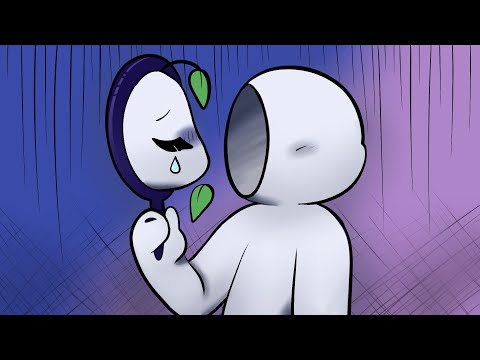
You know that feeling when you’re just not really “there”? Like, your mind is somewhere else, but your body is in the room? Yeah, that’s kinda what folks mean by body dissociation.
It’s a wild ride, honestly. You might be chilling at a party, laughing with friends, but inside, it’s like there’s this fog blocking everything out. Or maybe it’s more like watching yourself in a movie rather than actually living your own life.
This isn’t just some quirky thing that happens every now and then. For a lot of people, especially those who’ve been through tough stuff, it can be super confusing and lonely. It creeps up on you when you least expect it.
Let’s chat about what it is and how to spot it. We’ll dig into what goes down in your mind and body without getting all heavy or clinical. Sound good?
Understanding Dissociation: Signs, Symptoms, and Impact on Mental Health
Dissociation can be one of those tricky things to wrap your head around, you know? It’s like your mind’s way of taking a timeout when things get overwhelming. So, let’s break it down a bit.
What is Dissociation? It’s a mental process where someone disconnects from thoughts, feelings, memories, or sense of identity. Imagine feeling like you’re watching yourself in a movie, not really connected to what’s happening in your life. Sounds strange? It definitely can be.
Signs and Symptoms of dissociation might show up differently for everyone. Some common signs include:
- Memory Loss: You might forget certain events or details about yourself—kind of like when you zone out during a boring lecture.
- Feeling Detached: This can feel like you’re looking at life through a foggy window. Emotions might seem distant.
- Sense of Time Distortion: You could feel like time is dragging on or speeding up unexpectedly.
- A sense of unreality: It’s that unsettling feeling that what you’re experiencing isn’t real.
For some folks, dissociation isn’t just an occasional thing; it can persist and become interfering with life. That’s when it gets more serious.
Talking about impacts, dissociation can seriously affect mental health. It often connects with conditions like PTSD (Post-Traumatic Stress Disorder), anxiety disorders, or even depression. When you constantly dissociate as a coping mechanism, it’s hard to form relationships or handle day-to-day stuff because you’re not fully available.
Let me throw in an example here: Picture Sarah who faced some tough situations growing up. When she gets overwhelmed at work now, instead of confronting her stressors head-on, she zones out completely. Meetings feel surreal; her colleagues seem far away. While this may give her temporary relief from anxiety, it actually makes her feel more isolated in the long run.
Treatment Options are available for those who struggle with severed connections between their minds and bodies. Therapy can be incredibly helpful; it often focuses on gradually helping someone process experiences that cause them to dissociate in the first place.
In the therapy room, things like grounding techniques come into play—these rely on reconnecting with the present moment through senses. Maybe by focusing on physical sensations, checking in with emotions as they arise—this helps build healthier coping strategies over time.
But remember: recovery is personal and takes time! Recognizing body dissociation as part of someone’s experience is key here; understanding how it shows up in daily life makes navigating towards healing easier.
So if you ever find yourself feeling spaced out or disconnected from reality—it’s okay! Just know there are ways to reconnect and handle whatever caused those feelings in the first place. You’re definitely not alone in this journey!
Understanding the Impact of Childhood Trauma on Adult Dissociation: Insights and Healing
Childhood trauma can really shake a person’s world, and it doesn’t always show up in obvious ways. You know, when you think about trauma, you might picture something big and dramatic. But sometimes it’s the small stuff that creeps in and leaves scars deep inside.
**Dissociation** is one way that people might cope with those tough experiences. Basically, it’s like your mind goes on autopilot to protect itself from overwhelming emotions. Imagine you’re at a party but feel completely disconnected from the fun around you, like you’re watching it all happen on TV instead of being a part of it. That’s dissociation for you.
Now, this isn’t just something that happens once and goes away; the effects can linger into adulthood. When someone has experienced trauma as a kid—like neglect or abuse—it can lead to more serious dissociative symptoms later on in life. You might find yourself zoning out during conversations or struggling to connect with your body when you’re feeling stressed.
Here are some key points to keep in mind:
- Types of Dissociation: There’s not just one way to dissociate. Some folks may feel detached from their surroundings, while others have memory gaps related to their traumatic experiences.
- Emotional Numbing: Sometimes you might feel like emotions are turned down low or completely absent, making it hard to truly connect with others.
- Physical Sensations: You may notice that when stress hits, your body feels tense or even numb—almost like it’s not yours anymore.
For many adults who faced childhood trauma, healing involves recognizing these dissociative patterns and working through them—not an easy journey by any means! You might find therapy really helpful for this process. A good therapist can help untangle those feelings and bring awareness back into your life.
One powerful approach is **somatic therapy**, which focuses on tuning into physical sensations instead of just talking about feelings. It’s kind of like reconnecting with your body in a safe way.
You know what else? Mindfulness techniques can be a game changer too! Simple practices like deep breathing or gentle yoga can help ground you back into the moment and make everything feel less scattered.
In short, understanding how childhood trauma affects adult dissociation isn’t just about realizing the effects; it’s also about finding ways to heal and reconnect with yourself. The road may be rocky, but each step toward awareness is another step toward reclaiming your life from that past pain. Remember, it’s totally okay to ask for help along the way!
Understanding Dissociation: Real-Life Examples and Insights into Mental Health
Dissociation is one of those things that can feel a bit like a movie scene playing out in your head. You’re there, but not really present. It’s more common than you might think, and it can show up in various ways, especially around mental health issues. Let’s break it down a bit.
What is Dissociation?
So, dissociation is when you disconnect from your thoughts, feelings, or sense of identity. It’s your brain’s way of coping with stress or trauma. Imagine being at a party and feeling like you’re just watching things unfold from outside your body. That’s kind of what we’re talking about here.
Types of Dissociation
There are different kinds of dissociative experiences:
- Depersonalization: This is when you feel detached from your body or thoughts. It’s like seeing yourself in a movie.
- Derealization: Here, the world around you seems unreal or distorted. Maybe everything feels foggy or dream-like.
- Dissociative Identity Disorder (DID): This involves having two or more distinct identities or personality states that control behavior at different times.
Real-Life Examples
Let’s say you’re going through something tough—like a traumatic event. You might react by zoning out during the experience. Maybe you look around but don’t really process what’s happening; it feels surreal. Later, when you try to remember it, it’s all fuzzy.
I remember chatting with someone who went through an intense car accident. They described how they could see everything but felt completely disconnected from their body during the crash as if they were floating above themselves watching it all happen.
The Importance of Recognizing Body Dissociation
In therapy contexts, understanding body dissociation can be crucial for healing. When someone feels disconnected from their body, they may struggle to express feelings or even recognize physical sensations—like hunger or pain—because of that split.
If you’ve ever felt emotionally numb after something stressful, that could be a sign—your mind may have temporarily shut down to protect itself.
Coping and Treatment
Getting through dissociative states often involves therapy aimed at helping ground individuals back in their bodies and experiences. Techniques might include mindfulness practices or body-oriented therapies like yoga or somatic experiencing where the focus is on reconnecting with bodily sensations.
And remember: if you find yourself relating to any part of this conversation about dissociation, reaching out for support can be really beneficial. You don’t have to navigate this alone!
In summary, understanding dissociation is like shining a light on something that can often feel dark and confusing. When we recognize how it affects our bodies and minds, we take the first steps towards healing and reconnecting with ourselves again.
You know, body dissociation can be a pretty tricky thing to wrap your head around. It’s one of those topics that might make you go, “Wait, what do you mean?” Basically, it’s when you feel disconnected from your body. Like, have you ever had one of those moments where your mind is racing, but your body feels like it’s in another world? That’s what we’re talking about.
I remember chatting with a friend who went through some tough stuff. She’d tell me that during some really stressful times—like when she was taking huge tests—she couldn’t quite feel her arms or legs. It was as if her brain was off somewhere else. She described it like being in a movie where everything felt unreal and fuzzy. And here’s the kicker: she didn’t even realize that what she was experiencing had a name until we talked it out.
In mental health contexts, recognizing body dissociation is super important. People who have experienced trauma often have this disconnect, but it’s not just limited to that—you can see it in folks dealing with anxiety or depression too. It’s like their minds are trying to protect them from the heaviness of their emotions by making them feel numb or distant from their own physical presence.
Now, if someone is going through this kind of dissociation, they might not understand why they’re feeling this way—why they look at their hands and think they belong to someone else! So yeah, the real challenge comes when they try to reconnect with themselves again. Therapists often encourage grounding techniques to help people feel more present in their bodies again. Things like focusing on breath or even touching something textured can help pull someone back into the moment.
Talking about this stuff can seem heavy sometimes, but I think bringing awareness to body dissociation is essential for healing. When you recognize what’s happening, there’s a chance for understanding and recovery—a light at the end of the tunnel! It reminds us that our bodies and minds are linked in ways we might not fully grasp until we’re caught up in something intense.
So basically, if you’re ever feeling like you’re floating outside yourself or just can’t connect with what’s going on physically around you—know you’re not alone in that experience! It’s all part of being human and dealing with life’s ups and downs.