Hey, you know those days when everything feels a bit too much? Like, your mind’s racing a million miles an hour, and you can’t quite catch your breath? Yeah, we’ve all been there.
Grounding techniques are like little life-rafts in those moments. They help pull you back to the present. It’s super simple stuff—no fancy training required. Just some real down-to-earth practices that can help you feel more balanced.
Whether it’s stress from work or just feeling overwhelmed, grounding can be a lifesaver. It’s all about connecting with the here and now. And honestly, who doesn’t need more of that?
So let’s chat about some easy ways to get back to feeling centered and calm, okay?
Effective Grounding Techniques for Enhanced Mental Wellbeing and Emotional Balance: A Comprehensive PDF Guide
Grounding techniques are super helpful for mental well-being and emotional balance. They can pull you back when you’re feeling overwhelmed or anxious. Think of them as your life raft when the waves of stress start crashing in.
First off, grounding is basically about connecting to the present moment. You want to feel anchored, like your feet are firmly planted on solid ground. Here’s what you might want to try:
Now here’s a little story: A friend of mine had this huge presentation coming up and was totally freaking out. She found herself pacing back and forth until she remembered the 5-4-3-2-1 technique. After just a minute of focusing on what she could see and hear around her, she calmed down enough to give her best performance.
Another great technique is Visualization. Picture yourself in a peaceful place—maybe a beach or a cozy room with warm blankets. Close your eyes and really dive into that imagery; feel the sun on your skin or the softness of the blankets around you.
Also, engaging with nature can be grounding too! Try stepping outside to feel the grass under your feet or letting the wind brush against your face. It brings you right back to reality.
Incorporating these techniques into daily life builds resilience over time. The trick is consistency—you know? When you’re feeling balanced is when it’s easiest to practice them so they become second nature during tougher times.
Each person might find different techniques work better for them; so don’t hesitate to experiment! The thing is—whatever helps keep you grounded is worth trying out more than once.
So there ya have it! Grounding techniques are all about finding what works best for YOU when emotions start swirling like a stormy sea!
Essential Grounding Techniques: Downloadable PDF Guide for Mental Wellness
Grounding techniques are like your mental anchor. They help pull you back to the present when anxiety or overwhelming emotions try to sweep you away. Ever been in a situation where your thoughts just spiral? Yeah, it happens to the best of us, whether it’s due to work stress, personal issues, or just life throwing curveballs.
The beauty of grounding techniques is that they’re super simple and can be done anywhere. They help you reconnect with reality and calm your mind. Here are some essential ones to keep in your mental toolbox:
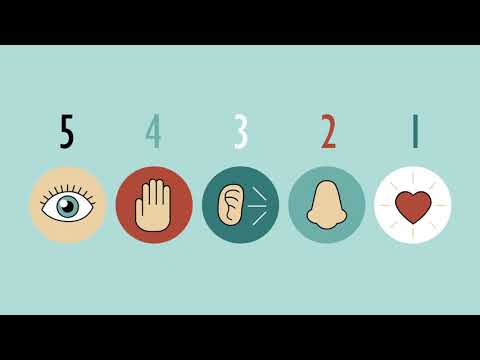
- 5-4-3-2-1 Technique: This is a classic. You identify five things you can see, four things you can touch, three sounds you hear, two things you smell, and one thing you can taste. It pulls your focus back into the now.
- Breathing Exercises: Seriously, just breathe! Try inhaling for four counts, holding for seven counts, and exhaling for eight counts. This helps slow down your heart rate and clear your mind.
- Body Awareness: Focus on how your body feels against the chair or ground. Is there tension in your shoulders? Do your feet feel heavy? Bringing attention to physical sensations can ground you.
- Mindful Movement: Things like stretching or yoga can help connect you with your body and distract from anxious thoughts at the same time.
- Affirmations: Repeating positive statements about yourself or your situation can shift negative thinking patterns. For example: “I am safe,” or “This feeling will pass.”
It’s all about finding what clicks for you, right? Everyone’s got their own style when it comes to coping mechanisms.
You know that moment when you’re feeling really overwhelmed and just need a break? That’s when grounding techniques shine bright! Picture this: You’re at work and suddenly feel a wave of stress hit you hard because of an upcoming deadline. Instead of letting that panic take over, try one of these grounding techniques.
Once during a particularly stressful week at my job, I found myself overwhelmed during a crucial meeting. I excused myself briefly and did the 5-4-3-2-1 technique in the bathroom stall (yeah, real talk!). It helped me refocus on what was right in front of me instead of spiraling into anxiety about everything else.
Also think about mixing these techniques into your daily life so they become second nature! Maybe try doing breathing exercises while waiting in line or practicing body awareness during lunch breaks.
Having these techniques readily available—like having them saved on a PDF so you can easily access them—is like having a mental first-aid kit handy when life throws those unexpected moments at ya! Keeping track of good methods means you’re better prepared for anything that comes up.
Essential Mindfulness Grounding Techniques: Free PDF Guide for Emotional Well-Being
Mindfulness grounding techniques are like little life boats for your emotions. They help bring you back to the present moment, especially when life feels overwhelming or your thoughts run wild. Seriously, who hasn’t experienced moments when anxiety or stress just takes over? That’s where grounding comes in.
So, what exactly is grounding? It’s a way to connect with your surroundings and calm your mind. By focusing on the here and now, you can find some emotional balance. If you’re feeling anxious or disconnected, these techniques can help you feel more stable and centered.
Here are some practical mindfulness grounding techniques:
- The 5-4-3-2-1 Technique: This is a classic. You simply identify:
- 5 things you can see
- 4 things you can touch
- 3 things you can hear
- 2 things you can smell
- 1 thing you can taste
This helps pull your focus away from overwhelming thoughts.
- Breathing Exercises: Just taking a moment to breathe deeply can do wonders. Try inhaling deeply through your nose for four counts, holding for seven counts, then exhaling through your mouth for eight counts. It’s simple but effective!
- Body Scan: Lie down comfortably and bring awareness to each body part from head to toe. Notice how they feel—any tension or relaxation? This gets you in touch with yourself while calming racing thoughts.
- Sensory Awareness: Pick up an object near you—a smooth rock or a cozy sweater—and really pay attention to its texture, weight, and temperature. Engaging your senses like this pulls you back into the physical world.
- Mindful Walking: Go for a walk outside and focus on every step you take. Feel the ground under your feet and observe the movement of your body as it flows—this connects mind and body beautifully.
These techniques don’t require any special equipment or settings; they’re pretty much accessible anywhere. You know how it feels when you’re driving and suddenly realize you’ve missed several exits because your mind was drifting? Grounding helps prevent that fuzzy feeling by anchoring you right where you need to be.
It’s not just about coping either; regular practice of these techniques may even lead to lasting emotional resilience! Like that time I was waiting for an important call that made me so anxious I could barely focus on anything else. I used the 5-4-3-2-1 technique right there at my desk, and it grounded me enough to deal with whatever came next.
A PDF guide on these techniques might be helpful! It could offer step-by-step instructions or reminders to keep practicing them as part of your daily routine. Having those resources handy makes it easier to remember what works best for you.
Incorporating mindfulness grounding techniques into your life isn’t just about surviving tough moments; it’s about thriving emotionally in everyday life! So go ahead—give them a try! You never know how much they could help until you’re in one of those hectic moments needing a little peace.
You know those moments when your mind starts racing and it feels like you’re all over the place? I’ve totally been there. It’s like you’re in this whirlwind of thoughts, worries, and maybe even a bit of panic. But then I discovered grounding techniques, and wow, they really helped me find my feet again.
Grounding techniques are like little anchors when life gets overwhelming. They’re simple ways to pull yourself back into the present moment and create a sense of calm. Like that time I was stuck in traffic, late for an important meeting. My heart was pounding, and I felt totally out of control. Instead of spiraling into anxiety, I took a deep breath (well, maybe more than one), closed my eyes for a sec, and focused on how my body felt in the seat: the way my back pressed against it or how the steering wheel felt in my hands. Seriously, just tuning into those sensations gave me a little peace amidst the chaos.
One common technique is the 5-4-3-2-1 method. It’s super easy to remember but can be so effective. You look around you and name five things you can see—maybe a tree outside or your favorite mug on the table. Then four things you can touch—like your shirt or the ground beneath your feet. Three things you hear—maybe birds chirping or cars whizzing by. Then two things you can smell (even if it’s just your lunch!). Finally, one thing you can taste—whether that’s coffee lingering on your tongue or just that minty gum you’re chewing.
But why do these little exercises help? Well, when our brains get tangled up with stress or anxiety, grounding pulls us back into reality—the here and now—rather than letting our minds run wild with “what ifs.” It kind of reminds me of holding onto something solid during a storm; it helps keep us steady.
You might not feel like you need this stuff every day, but having some grounding techniques in your toolkit is seriously helpful for those moments that catch you off guard—or when life throws you a curveball. They remind us to pause and breathe instead of being swept away by whatever drama is unfolding inside our heads.
Think about it: it doesn’t take much to practice these techniques; they’re accessible anytime, anywhere! Just another way to take care of ourselves amidst life’s ups and downs. And honestly? It feels kind of good to have that power—to regain balance whenever we need it most! So next time you’re feeling overwhelmed or lost in thought, give one a shot; who knows? It might bring a little calm to your storm too!