So, picture this: you’re sitting there, maybe at work or just chilling at home, and suddenly your body starts to shake. Like, what the heck is going on? You’re not cold or anything. It’s weird, right?
Well, a lot of folks feel this kind of thing when they’re anxious. Seriously! It can be super unnerving when your body starts acting all wonky without a clear reason.
You might be thinking, “Am I losing it?” But nah! You’re definitely not alone in this experience. Lots of people go through it, even if they don’t talk about it much.
Let’s break it down together and explore what’s happening behind those mysterious shakes. It might just give you some peace of mind!
Understanding the Connection: Can Anxiety Trigger Whole Body Shakes?
So, anxiety can definitely make your body act in some pretty unexpected ways, huh? One of those reactions that can catch you off guard is whole body shaking. Like, imagine you’re about to give a speech or walk into a party and suddenly your hands are trembling, or even worse, your entire body feels like it’s vibrating. It’s unsettling for sure!
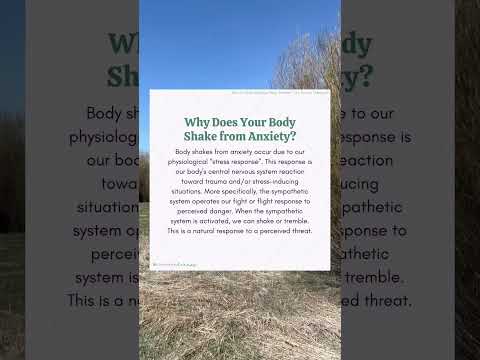
When you’re anxious, your brain goes into overdrive. It’s like you’re on high alert, and that fight-or-flight response kicks in. This response gets activated when your body thinks it’s in danger. Adrenaline floods your system to prepare you for action—running away or fighting back. Unfortunately, this can also lead to some intense physical symptoms.
- Tremors: These are little shakes or shivers that often happen with high levels of anxiety.
- Hyperventilation: When you breathe too quickly due to stress, it can lead to lightheadedness and shaking.
- Muscle tension: Anxiety tightens up your muscles. When they finally relax, they might shake as a kind of aftermath.
Let’s break these down a bit more. So when you feel super anxious and start trembling, it could be because of that rush of adrenaline I mentioned earlier. Your heart rate might increase too—you know how that feels? It’s like a racing engine inside you!
Then there’s hyperventilation—it’s when you breathe way too fast and lose carbon dioxide too quickly. That kind of breathing can cause dizziness and panic-like symptoms, including shaking all over.
And muscle tension? Oh boy! Some people hold their stress right in their muscles without even realizing it. Once the anxiety eases—hopefully—those tight muscles might start to shake as they let go.
But here’s the kicker: not everyone shakes the same way with anxiety. Some folks might feel just a little jittery in their hands while others experience full-blown body shakes from head to toe. It really varies from person to person.
I once knew someone who got so nervous before an important job interview that they literally started shaking during the whole thing! They thought they were going to embarrass themselves; instead, it ended up being just part of their experience managing anxiety.
In extreme cases, if those shakes become really frequent or disruptive, it’s worth chatting with a professional about it—they can help figure out what’s going on beneath the surface.
Remember though: while it’s totally normal to feel shaky during anxiety episodes—or even after dealing with stress for long periods—there’s no need to suffer alone. There are ways to manage these feelings through therapy or relaxation techniques like deep breathing or grounding exercises.
So yeah, just know if you’re dealing with whole-body shakes tied to anxiety—you’re definitely not alone! And there are people and methods out there ready to help you handle it better!
Effective Strategies to Overcome Internal Shaking Caused by Anxiety
Sometimes, anxiety can do some pretty wild things to your body. You know that feeling when you’re so nervous or stressed that it feels like your insides are vibrating? Yeah, that’s what we’re talking about. If you’ve been experiencing internal shaking, it can be really unsettling. But there are ways to get a grip on it. Let’s break down some effective strategies to help you manage that shaky feeling.
First off, **breathing exercises** can work wonders. When you start feeling those shakes creep in, try this: take a deep breath in through your nose for a count of four. Hold it for four, and then let it out slowly through your mouth for six counts. Seriously, just a few minutes of this can help calm your racing heart and reduce the muscle tension that’s making you feel like a human maraca.
Then there’s the good old **grounding techniques**. Basically, these help bring you back to the present moment and away from whatever’s got you anxious. One popular method is the “5-4-3-2-1” technique: look around and name five things you can see, four things you can feel (like the chair under you), three things you hear (maybe birds chirping or traffic), two things you smell, and one thing you taste right now. It sounds simple but it really helps pull your focus away from that internal chaos.
Also, don’t underestimate the power of **physical activity**! Moving your body releases endorphins—those little brain chemicals that make you feel happier and more relaxed. Even just going for a short walk or doing some stretches at home can help shake off that uneasy feeling.
Let’s not forget about **mindfulness and meditation**. Practicing being in the moment can really ease anxiety symptoms over time. You might start with just five minutes a day—no pressure! There are tons of apps out there that guide you through meditation if you’re unsure where to start.
And sometimes, talking it out helps too—think about finding someone professional to lean on if it’s getting tough. Therapy can give you tools tailored specifically for what you’re dealing with.
Keep an eye on what you’re eating as well; nutrition plays a big part in how we feel emotionally. Foods rich in omega-3 fatty acids (like salmon) or those loaded with antioxidants (fruits and veggies) can boost brain health and help alleviate anxiety symptoms over time.
Lastly, consider keeping a **journal**. Writing down how you’re feeling when the shaking happens might give insight into triggers or patterns—you know? Sometimes just getting those thoughts out of your head helps calm everything down.
So remember, while internal shaking from anxiety isn’t fun, using these strategies might help ease those feelings over time! It’s all about trial and error—you gotta see what resonates best with your vibe!
Understanding the Physical Sensations of Anxiety: Why Your Body May Feel Like It’s Vibrating
Anxiety can be a real pain in the neck—or, you know, everywhere else. You might feel like your whole body is vibrating, kind of like you’re sitting on a subway that’s going way too fast. So what’s up with that? Let’s break it down.
When you’re anxious, your body goes into what’s called the «fight or flight» response. This is like your body’s alarm system kicking in. Your brain sends signals to release a bunch of stress hormones—basically telling your body to get ready for action. You might notice things like an increased heart rate or faster breathing. But sometimes, that reaction manifests as physical sensations that are harder to pin down.
One common feeling during anxiety is muscle tension. Your muscles get tight and tense up because they’re preparing for danger (even if there isn’t any). Sometimes this tension can lead to strange sensations, like trembling or shaking. It’s almost as if your body is caught between wanting to run away and just sitting still.
You might also experience something called **hyperventilation** when you’re anxious—this is when you breathe really quickly and shallowly. It can lead to a shortage of carbon dioxide in your blood, which can cause symptoms like lightheadedness and even a vibrating feeling throughout your body. It’s that same kind of sensation we get when our legs have been crossed for too long; they feel tingly or shaky when we finally stand up.
But wait! There’s more! Anxiety can bring on heightened **sensory awareness**, too. You become more tuned into how your body feels, which means that normal sensations may feel magnified or even exaggerated. That slight buzzing feeling might be totally normal—but anxiety amplifies it so much that it feels overwhelming.
Also, let’s not forget about fatigue! When anxiety drains you of energy over time, it can actually make your muscles twitchy and give off those weird vibrations as well.
Here are some quick points to keep in mind:
So if you ever find yourself feeling like you’re vibrating during an anxious moment—just know you’re not alone in this wild ride! It’s all part of how our bodies react to stress and fear—even if there’s no bear chasing you down the street!
Finding ways to calm those anxious feelings can help reduce these physical sensations too—like practicing deep breathing exercises or mindfulness techniques. Just remember, it takes time, so be patient with yourself while navigating through this.
So, you know how sometimes your body just decides to do its own thing, like shaking or trembling for no clear reason? That can be super frustrating, especially when anxiety is hanging over you like a dark cloud. It’s like your mind is racing, and your body is throwing a tantrum. Seriously, it can feel like there’s this disconnect between what you’re thinking and what your body is doing.
I remember a friend of mine who used to get these weird shaking hands when we were out in social situations. She’d be fine one minute, chatting and laughing, then suddenly her hands would start to tremble. It was awkward for her—and honestly kind of stressful for me too because I wanted to help her but didn’t know how. She told me later that, in those moments, she felt this overwhelming rush of anxiety that somehow turned into physical reactions her brain couldn’t control. And that can be really isolating.
The thing is, our bodies have this built-in response system. When you’re feeling anxious or stressed out, it might trigger the release of adrenaline (yeah, that fight-or-flight stuff). This often leads to symptoms like shaky limbs or sweaty palms—like your body’s way of saying «Hey! Something doesn’t feel right!» But when it happens without an obvious cause or when you’re just going about your day? That’s a whole different level of confusion.
It’s not just about being nervous; it’s more complex than that. Sometimes the shaking can kick in even when you’re not consciously feeling anxiety—it could be something buried deeper or related to past experiences that bubble up unexpectedly. So if it’s all tangled up with emotions and bodily responses, figuring it out can take time and patience.
Talking things through with someone—like a therapist—can really help unpack all of those feelings swirling around inside you. They might suggest grounding techniques or mindfulness practices to help you connect with your body again, instead of feeling at war with it.
At the end of the day, if you’re experiencing these unexplained shakes tied to anxiety—or whatever else—it doesn’t mean there’s something wrong with you. It’s part of being human and responding to life in unexpected ways. So remember: you’re not alone in this journey!