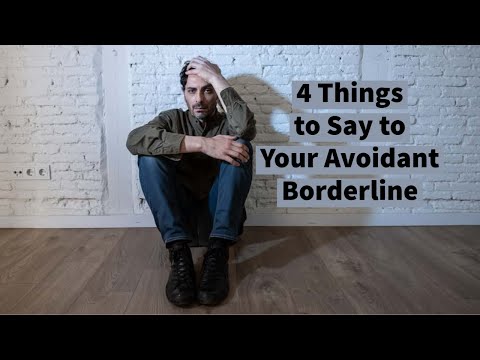
You know those days when your feelings are all over the place? One minute you’re up, and the next you feel totally down. It’s like a rollercoaster.
For some folks, that ride is constant. They might deal with borderline traits, where emotions swing hard and fast. Or maybe they lean more toward avoidant traits, steering clear of situations that feel too intense or vulnerable.
But here’s the thing: it’s totally okay to have these experiences. You’re not alone. And understanding these emotional landscapes can really help in figuring out how to cope better.
So, let’s dig into how these traits play out in real life and what we can do about it. Sound good?
Understanding the Coexistence of BPD and Avoidant Personality Disorder: Symptoms, Challenges, and Insights
Understanding the coexistence of Borderline Personality Disorder (BPD) and Avoidant Personality Disorder (AVPD) can feel like navigating a tricky emotional landscape. Both conditions can intertwine, making things quite complex. So, let’s break it down a bit.
For starters, BPD is characterized by intense emotions, impulsive actions, and unstable relationships. You might feel like you’re on an emotional rollercoaster—sometimes high up in the clouds, and other times crashing down hard. One minute you’re feeling everything deeply; the next, you can’t seem to connect with anyone at all.
On the flip side, AVPD includes feelings of extreme shyness, fear of criticism or rejection, and an overwhelming desire for acceptance. You know that feeling when you want to be part of a social situation but your mind holds you back? That’s pretty classic for someone dealing with AVPD.
When these two disorders coexist in one person, symptoms might blend together in ways that can be really tough to manage. For example:
- Fear of Abandonment: You might struggle with both an intense fear of being abandoned (a BPD trait) while also avoiding social situations because you think you won’t fit in (an AVPD trait).
- Emotional Intensity: The ups and downs can feel heightened. A small criticism from someone could send you spiraling into deep self-doubt while simultaneously igniting fears about losing connections.
- Interpersonal Conflicts: Relationships become complicated. You may deeply crave closeness but get scared off by the intensity of your emotions or your fear of judgment.
It can feel isolating to deal with both these conditions at once. Let’s say you have a friend who wants to hang out but suddenly pulls away because they start feeling overwhelmed by their feelings towards that friendship. This push-and-pull dynamic is pretty typical when BPD and AVPD are at play.
Another challenge is treatment. Finding therapy that caters to both sets of symptoms requires some serious navigation skills! Therapists often focus on different techniques: Dialectical Behavior Therapy (DBT) for BPD helps manage those emotional swings through skills training; Cognitive Behavioral Therapy (CBT) helps reshape negative thought patterns associated with AVPD.
But here’s the trick: combining both approaches might work wonders! Imagine walking into therapy equipped with tools from each method; it’s like having a toolkit packed for any situation that arises!
In summary, living with both BPD and AVPD means dealing with an emotional landscape filled with ups and downs, fears about relationships, and sometimes overwhelming self-doubt. But understanding these challenges is just the first step toward finding effective ways to cope—and even thrive—despite them! Connecting with professionals who understand this complexity can really make a difference in your journey.
Understanding the Connection: Do Avoidant Personalities Experience Borderline Personality Disorder?
So, let’s talk about avoidant personalities and borderline personality disorder (BPD). It’s a pretty fascinating area and honestly, a bit complex. You see, both these personality types share some similar traits, but they’re not the same.
First off, people with avoidant personality disorder often struggle with feelings of inadequacy and are super sensitive to criticism. They tend to avoid social situations where they might feel vulnerable or judged. Think of someone who might bail on a party just because they worry nobody will want to talk to them or they’ll embarrass themselves.
On the other side of the coin, we have borderline personality disorder. Individuals with BPD experience intense emotions and often have a hard time maintaining stable relationships. Their feelings can swing from love to hate in what feels like a heartbeat. It’s like riding an emotional roller coaster that never seems to stop!
Now, here’s where things get interesting. Some folks might have traits from both sides. You could find an avoidant person who also has some characteristics typical of BPD. For example:
Picture this: A friend of yours has always been shy around new people (that’s the avoiding thing). They start dating someone but freak out when it gets serious because they can’t handle the idea of losing that person (which is more like BPD). Confusing, right? But totally possible!
So the reality is—you might find individuals navigating both landscapes at once. It’s crucial to understand that having traits from both doesn’t mean one automatically has both disorders. Diagnosis is complex and needs professional input.
When it comes to treatment, people with these overlapping traits might benefit from different therapeutic approaches tailored specifically for their unique experiences:
In short: while there can be links between avoidant personalities and borderline traits, it’s important not to jump to conclusions! Understanding each person’s unique emotional landscape will help you navigate this tricky terrain better!
Understanding Avoidant-Borderline Mixed Personality: Signs, Symptoms, and Coping Strategies
Avoidant-Borderline Mixed Personality is quite a mouthful, huh? But it’s really about understanding how two different sets of traits can mix together. Let’s break down what this means and how it might show up in your life.
Avoidant Personality Traits often look like this: a fear of rejection, intense discomfort in social situations, and a tendency to steer clear of relationships. You might feel like you’re always on the outskirts, not wanting to get too close for fear of getting hurt. It can be really tough, and that sense of isolation can make you feel pretty crummy.
Now, Borderline Personality Traits are a bit different. Here, you’ll find emotional instability, impulsiveness, and sometimes a really intense fear of abandonment. Imagine feeling super happy one minute and then deep in the dumps the next—this roller coaster ride can be exhausting for you and those around you.
So when these two sets of traits blend together? It can create a unique emotional landscape that’s challenging to navigate. You might desperately want connections with others but then freak out when they get too close. It’s like wanting to hold someone’s hand while also pushing them away at the same time. Confusing or what?
Here are some common signs and symptoms that may help you spot if this mixed personality is affecting someone:
- Social Withdrawal: Avoiding friends or family because they feel overwhelming.
- Fear of Rejection: Constantly worrying that people will leave or judge them.
- Emotional Instability: Experiencing rapid shifts in feelings—happy one moment, angry or sad the next.
- Impulsivity: Making hasty decisions without thinking through the consequences.
- Difficulty Trusting Others: Feeling suspicious even when there’s no real reason to be.
You know, I once chatted with this guy who felt constantly torn between wanting friendships but just couldn’t handle it when people got too close. He’d pull away a lot, even though he would later feel lonely—like he was stuck between a rock and a hard place. That kind of cycle is so common for people who experience these mixed traits.
Now coping strategies? Well, there’s no one-size-fits-all solution here since everyone has their own set of circumstances.
First off, therapycan be super helpful! A therapist familiar with both Avoidant and Borderline traits can help you navigate those rocky emotions. They can help unpack some past experiences that shape your current feelings.
Next up is mindfulnessexercises. Seriously! Taking time to check in with yourself can ground you amidst all those swirling emotions. Breathing exercises are good too; they help bring your focus back when things get overwhelming.
And don’t forget about safety plans
You know, navigating through emotional landscapes can be pretty tricky, especially when you’re dealing with Borderline and Avoidant traits. I mean, it’s like trying to walk through a dense fog where you can’t see what’s ahead. You feel everything so intensely, yet at the same time, there’s this urge to keep people at arm’s length. It gets complicated.
Picture this: You’re out with friends, and everything’s fun and laughter. Then suddenly, boom—someone says something that touches a nerve. Just like that, your mood swings from joy to despair in a heartbeat. Ever experienced that? It’s incredibly draining and confusing! You’re caught in this cycle of feeling too much one minute and then shoving those feelings down the next.
Now throw in Avoidant traits on top of that. It’s like having this inner voice telling you things like “Don’t get too close” or “You’ll just get hurt.” So you start backing away from connections, even when deep down you crave them. It’s almost like being on a seesaw—you want to be close to people but are terrified of what might happen if you do. And honestly? That fear can lead to loneliness that stings more than any break-up ever could.
I once had a friend who was really amazing at understanding these emotional drivers. She’d often tell me how she felt the world around her as if it was an ocean—sometimes calm and serene, other times tumultuous with waves crashing down hard. When she’d struggle with her emotions or pull back from relationships, she’d remind herself about the ebb and flow of those feelings.
Navigating these emotional territories isn’t easy by any means; it takes time to untangle those feelings and figure out what they really mean for you. But seriously? It’s worth it in the end when you start finding your footing amidst all that chaos! Just remember: wherever you are on this journey, it’s okay not to have all the answers right away. You’re not alone in feeling this way!