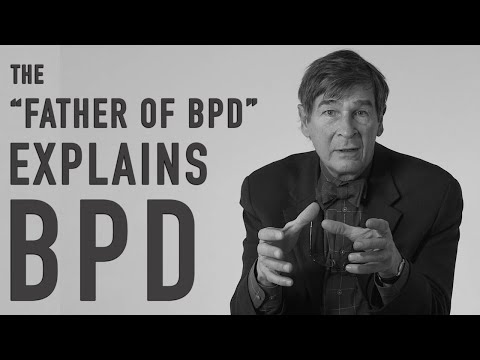
So, let’s talk about borderline behavior for a sec. You know how some days you feel like you’re on top of the world, and other days, it’s like everything’s crashing down?
Yeah, that’s kind of what it’s like for folks navigating this stuff. It can be wild and messy. Seriously, one minute you’re laughing with friends, and the next, it feels like everyone’s abandoning you.
It’s not just about mood swings, though. There can be all sorts of emotional chaos going on inside. And guess what? It doesn’t just affect the person experiencing it; it has a ripple effect on everyone around them.
Understanding borderline behavior is super important. It can change how we connect with each other and how we take care of ourselves. So, let’s unpack this a bit, yeah?
The Consequences of Untreated Borderline Personality Disorder: Understanding the Impact on Life and Relationships
Sure! Let’s talk about Borderline Personality Disorder (BPD) and what happens when it’s not treated. Seriously, it can have some pretty intense effects on life and relationships.
BPD is a complex condition characterized by unstable moods, behavior, and relationships. When left untreated, the consequences can be heavy. You might see shifts in how you feel about yourself and others. One moment you’re super close to someone, and then suddenly, you feel totally abandoned or hurt by them. It’s like living on an emotional rollercoaster that never ends.
The impact on relationships is profound. For example, people with BPD might struggle with trusting others or fearing abandonment. This can lead to:
- Intense conflicts: Small misunderstandings can spiral into huge arguments.
- Fear of being alone: Feeling abandoned might push someone to cling too tightly.
- Difficulty maintaining stable relationships: Friendships and romantic partnerships might become unpredictable.
Imagine a friend who’s always been there for you suddenly feels like they’re pulling away. You start to panic, feeling like you have to do everything possible to keep them close. You text them nonstop or lash out in anger, pushing them even further away. It’s heartbreaking because you really care but feel trapped in these cycles.
Then there’s the toll on your mental health overall. Untreated BPD can lead to:
- Anxiety and depression: Daily struggles might trigger both anxiety and depressive episodes.
- Self-harm: Some individuals may resort to hurting themselves as a coping mechanism.
- Substance abuse: Turning to drugs or alcohol for a temporary escape from emotional pain.
One day, everything feels overwhelming—your thoughts racing, your emotions going haywire—and seeking comfort through unhealthy outlets starts to seem like the only solution.
But guess what? There is hope! Treatment options like therapy (especially Dialectical Behavior Therapy) can really help manage symptoms of BPD over time. The thing is, it requires effort and support from loved ones too.
In sum, untreated Borderline Personality Disorder does not just affect the person diagnosed; it sends ripples through their relationships, mental health, and overall quality of life. By understanding these impacts better, we can foster empathy for those struggling with BPD and encourage seeking help before things become even more challenging.
Living with Borderline Personality Disorder: A Practical Guide for Supportive Relationships
Living with Borderline Personality Disorder (BPD) can be really challenging, not just for the person experiencing it, but for the people around them too. You might notice intense emotions, mood swings, and sometimes even difficulties in relationships. So let’s break down what this looks like and how you can create supportive relationships when someone you care about has BPD.
Understanding BPD usually means recognizing that people’s emotions can feel like a rollercoaster. One moment they might seem incredibly happy, and the next, they could feel hopeless or angry. This instability can impact how they view themselves and others. It’s not easy; trust me.
When you’re close to someone with BPD:
- Validate Feelings: When they express feelings, even if it seems excessive or irrational to you, just listen! Let them know their feelings matter.
- Avoid Invalidating Language: Saying things like «calm down» or «it’s not a big deal» can make them feel more isolated. Instead, try saying something like «that sounds really tough.»
- Be Consistent: Routine can be comforting. Try to maintain regular communication and check-ins. This stability helps build trust.
- Learn About BPD: The more you understand the disorder, the better equipped you’ll be to respond compassionately.
Let me share an example: Imagine your friend Sarah suddenly snaps at you after what seemed like a fun day out. At first glance, it feels confusing and hurtful—like where did that come from? But remember that sudden mood swings are part of BPD. Instead of taking it personally or getting mad back, just reach out later and say something supportive like “I’m here if you wanna talk.”
Boundaries are Key. While it’s important to offer support, don’t forget to take care of yourself too! Set clear boundaries about what’s acceptable for you emotionally. If their behavior becomes overwhelming or harmful, it’s okay to step back for your own mental health.
Another crucial point is communication styles—people with BPD may struggle with fear of abandonment or rejection. This often makes conversations around these topics tricky. Try using «I» statements instead of «you» statements when discussing difficult issues; this way it feels less accusatory and more personal.
Lastly, keep in mind that professional help plays a vital role in managing BPD effectively. Encourage your loved one to seek therapy if they aren’t already doing so; therapy can be super beneficial in learning coping strategies.
Relationships with people who have BPD require patience but can be incredibly rewarding too! Supporting someone through their ups and downs strengthens your bond as long as both parties remain respectful of each other’s limits.
So yeah, navigating life alongside someone with borderline personality disorder isn’t easy—it takes effort from both sides—but building understanding creates beautiful connections that matter deeply over time.
Understanding Borderline Personality Disorder: Take Our Interactive Test to Assess Your Symptoms
So, let’s talk about Borderline Personality Disorder, often just called BPD. It’s a mental health condition that can make your emotional world feel like a rollercoaster. You know how sometimes you can feel super happy, and then, out of nowhere, you feel really sad? For someone with BPD, those feelings can swing a lot faster and more intensely.
BPD messes with the way you see yourself and how you relate to others. People with this disorder often struggle with sensitivity to rejection. You might find yourself feeling abandoned or hurt even if that wasn’t the other person’s intention. Imagine having plans with friends but then getting ghosted—a person with BPD could react much more strongly than someone without that disorder.
Here are some common symptoms:
- Intense emotions: One moment you’re on top of the world, and the next you’re in deep despair.
- Fear of being alone: This can lead to frantic efforts to avoid abandonment, even if it feels like a small issue.
- Unstable relationships: Relationships might be super close one minute and then just fall apart the next.
- Poor self-image: You might feel like you’re not sure who you are or what’s important to you.
- Impulsive behaviors: This could mean reckless spending or risky sexual behavior—anything that feels good in the moment but could lead to regret later.
A fun way to start understanding your own feelings is through an interactive test. These tests often ask about your experiences related to what I mentioned earlier. But remember, they are just a starting point! They shouldn’t replace talking with a professional who really gets this stuff.
The thing is: many folks with BPD don’t even realize they have it until someone points it out. That happened to my friend Alex. He thought it was just how everyone felt after some tough relationships—until, one day, he got real help and learned about BPD. It was like turning on the lights in a dark room; suddenly things made sense!
If you’re feeling like these symptoms resonate with your experience, don’t hesitate to reach out for support. Speaking with a therapist can be super helpful in figuring things out together. Plus, skilled professionals can offer treatments tailored specifically for BPD—like dialectical behavior therapy (DBT), which has worked wonders for many people.
Bordeline Personality Disorder is definitely challenging—you won’t find anyone saying otherwise—but understanding it is a solid first step toward feeling better. Just remember: no one should navigate this alone! You’re not alone in this journey; there’s support out there waiting for you!
You know, when people talk about borderline behavior, it can create a lot of confusion and, honestly, a bit of stigma. It’s such a complex area. So let’s break it down.
Borderline personality disorder (BPD), which is what we’re really talking about here, involves intense emotions and unstable relationships. It’s not just feeling moody—it’s feeling everything all at once: joy, anger, sadness—like an emotional roller coaster that just won’t stop. You might find yourself swinging from one extreme to another, which can be exhausting for you and the people around you.
I once knew someone who dealt with BPD. Let’s call her Anna. There were days Anna was full of life, making plans and laughing with friends. Then suddenly, she could feel so abandoned if someone canceled on her or took too long to reply to a text. It was heartbreaking to see her struggles in real time; one moment she was smiling at the coffee shop, and the next she was in tears—just because of a small misunderstanding.
These ups and downs can deeply affect your mental health. If you’re navigating BPD traits or know someone who is, it might feel like walking on eggshells sometimes. The fear of abandonment looms large; you might push people away even as you desperately want them closer.
But here’s the thing: despite the challenges that come with borderline behaviors, healing and stability are possible! And that often starts with therapy—being able to talk things through with someone who gets it can make all the difference. Dialectical Behavior Therapy (DBT) is particularly helpful because it helps develop skills for emotional regulation and interpersonal effectiveness.
So if you’re struggling or know someone who is? It’s really important to reach out for help. Mental health isn’t just about what goes on in your head; it’s tied to your whole life experience—relationships, self-esteem—it’s all connected.
At the end of the day, whether you’re dealing with borderline traits or just navigating your way through life’s ups and downs, remember that understanding yourself—and seeking support—is key to finding balance again. It may take time but hang in there!