You know, talking about mental health can feel like wandering through a maze sometimes. It’s tough, especially when it comes to Borderline Personality Disorder, or BPD, as folks call it.
People often get it all mixed up with other conditions. Plus, the emotions? They can be like riding a roller coaster without a seatbelt!
So, if you’ve ever felt like you’re living in a whirlwind of feelings and uncertainties—or maybe you’re trying to understand someone who is—this chat’s for you.
Let’s break it down together. We’ll figure out the highs and lows of this diagnosis and what it means for you or your loved ones. Sound good?
Understanding the 3 C’s of Borderline Personality Disorder: A Comprehensive Guide
Borderline Personality Disorder (BPD) can feel like a rollercoaster ride. One moment, you’re high on life, and the next, you’re deep in an emotional pit. When people talk about BPD, they often refer to the “3 C’s”: *cognitive distortions*, *chaotic relationships*, and *coping mechanisms*. Each of these plays a big role in understanding how BPD affects you or someone you care about.
Cognitive Distortions basically mean the way your brain processes thoughts can get a little skewed. You might find yourself believing things that aren’t entirely true, like feeling worthless or thinking everyone hates you. It’s like wearing funhouse mirror glasses—you see yourself and others in a warped way. For example, let’s say a friend doesn’t text back right away; instead of thinking they’re busy, you might jump to the conclusion they don’t want to be friends anymore. That thought is intense, isn’t it? But it’s not reality!
Then there are those Chaotic Relationships. Relationships can swing from being super close to feeling like a battlefield. People with BPD might love someone deeply one moment and then feel totally abandoned the next. It’s because emotions run high and can change quickly—like flipping a switch! Take Sarah: she had an amazing bond with her sister until an argument made her feel abandoned. Suddenly, all those loving feelings turned into anger and sadness. The thing is, it’s hard for others to keep up when the emotional weather is always shifting.
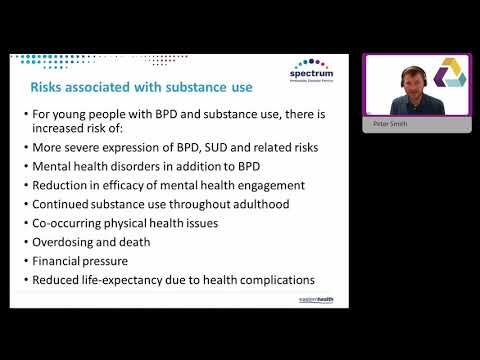
Finally, we have Coping Mechanisms. These are ways people with BPD try to manage those big feelings but sometimes they aren’t healthy choices. Think self-harm or substance abuse—these may provide temporary relief but create even bigger problems down the line. You know what I mean? It’s like putting a band-aid on an open wound without actually healing it.
Navigating these 3 C’s can take time and professional help—therapy can seriously help unpack what’s going on inside your mind and heart! Remember that BPD isn’t just black-and-white; there’s plenty of gray areas where understanding can really help improve overall wellbeing.
So if you know someone with BPD or are dealing with it yourself, just know that there are ways to work through this stuff together! It may be tough sometimes, but understanding these components makes it just a bit easier to unravel what feels so tangled up inside.
Understanding the Top Challenges Faced by Individuals with Borderline Personality Disorder
So, let’s chat about Borderline Personality Disorder (BPD). It’s a condition that can throw people for a loop. Seriously, it can feel like you’re riding an emotional rollercoaster—up and down all the time. People with BPD face some big challenges that can make life pretty tough. Here’s a peek into those hurdles.
Emotional Instability
First off, emotional instability is one of the hallmark traits of BPD. You might go from feeling super happy to really sad in no time flat. It’s like flipping a switch and not even realizing it’s happening until you’re in a completely different headspace. This can lead to intense feelings of rage or despair that seem outta nowhere.
Fear of Abandonment
Next up is the fear of abandonment. You know how we all have that little voice saying, “What if they don’t want me around anymore?” For someone with BPD, this fear can be magnified times ten! A missed text or change in plans might feel like a full-on rejection, leading to panic and anxiety.
Relationships are Tricky
Speaking of fear, relationships often get rocky too. With BPD, individuals might swing between idolizing someone one day and then suddenly feeling like they hate them the next. It gets confusing both for them and their friends or family. This push-pull dynamic can create real tension—like walking on eggshells.
Self-Image Struggles
Now let’s talk about self-image—or lack thereof! People with BPD may struggle with knowing who they are or what they want out of life. This can lead to feelings of emptiness or boredom that just stick around like an unwanted guest at a party.
Impulsivity is another major player here too. Sometimes, you make decisions without thinking things through—like shopping sprees or risky behaviors—that you later regret. It’s kinda like living in the moment but then facing consequences that can be super tough to handle afterward.
Coping Mechanisms
Next is coping mechanisms—or should I say, trying to find healthy ways to cope? Many individuals might resort to self-harm or substance abuse as a way to deal with those overwhelming emotions when things get tough. It sounds scary, but it’s often more about finding relief than wanting to hurt themselves.
Treatment Obstacles
And let’s not forget treatment obstacles! Getting help for BPD isn’t always easy because the symptoms themselves can make it hard to stick with therapy or medication regimens—like just when you start making progress, something happens and it feels derailed.
So basically, these challenges mean living with BPD isn’t just about feeling sad or having bad days; it encompasses a whole spectrum of experiences that shape daily life and interactions with others. There’s support out there though—therapy options like Dialectical Behavior Therapy (DBT) have made some waves because they work directly on these coping strategies and emotional regulation skills.
In short, while navigating life with Borderline Personality Disorder comes with its fair share of ups and downs (mostly downs), understanding these challenges is key for both those living with it and their loved ones too!
Understanding the Challenges of Diagnosing Borderline Personality Disorder: Key Factors Explained
Diagnosing Borderline Personality Disorder (BPD) is like trying to catch smoke with your bare hands. It’s complicated! There are so many layers and nuances, and it can be super frustrating, both for the person experiencing the symptoms and for the professionals trying to make sense of it all. Let’s break down some key factors that make this diagnosis such a challenge.
One major issue? **Symptoms overlap with other disorders**. People with BPD often exhibit traits found in conditions like depression, anxiety, or PTSD. So, when a therapist sees someone who’s feeling intense emotions and struggles with relationships, they might think it’s something else entirely. Imagine going to a doctor for a bad headache only to find out you have allergies instead—that’s kind of what happens here.
Another thing that complicates things is how **BPD symptoms can change over time**. One day you might be feeling really angry or panicky, and the next day you’re calm or even numb. That shifting landscape makes it hard to pin down a consistent pattern. It’s like trying to catch a moving target because emotions can fluctuate wildly.
And then there’s the issue of **self-reporting**. Folks with BPD may not always recognize their own behaviors as problematic or even feel ashamed about them. For instance, they might brush off their intense fear of abandonment as just being “normal,” which can lead to missing vital clues for diagnosis.
Also, consider that **cultural background** plays a big role too! Different cultures express emotions differently—what looks like impulsivity in one culture might be seen as assertiveness in another. This makes context super important when diagnosing BPD—without understanding these nuances, clinicians might misunderstand what’s happening.
Lastly, let’s not forget about **the stigma around mental health** issues in general. Sometimes people don’t even seek help because they fear being labeled or misunderstood if they do come forward with their feelings. This creates an environment where those who need support often hide away rather than reaching out.
So yeah, diagnosing Borderline Personality Disorder isn’t just about looking at symptoms on a checklist; it’s about navigating a complex web of factors that are anything but straightforward:
- Overlapping symptoms with other disorders
- Variability and change in symptoms
- Challenges in self-reporting
- Cultural influences on emotional expression
- The stigma surrounding mental health
In short, understanding BPD is nothing short of an emotional puzzle—each piece matters and finding where they fit can sometimes feel impossible. That said, getting an accurate diagnosis is crucial for effective treatment! And remember; this journey is just as much about compassion as it is about comprehension.
Borderline Personality Disorder (BPD) can feel like this massive labyrinth, right? Like, if you or someone you know is living with it, it’s not just about understanding one thing—it’s about piecing together a whole puzzle of emotions, behaviors, and experiences. It can get pretty overwhelming for everyone involved.
I remember a friend of mine who struggled with this. She’d often swing from feeling on top of the world to completely crushed over what seemed like the smallest things. One day we could be laughing till our sides hurt, but then, out of nowhere, she’d spiral into this deep emotional pit. It was tough to watch her go through that rollercoaster; I felt helpless at times.
BPD involves intense emotions and unstable relationships. Imagine being on an emotional seesaw that’s stuck—you can’t find your balance. The challenges are more than just mood swings; they include issues with self-image and fears of abandonment. That fear can be so paralyzing! You might find yourself doing anything to avoid being alone or feeling rejected.
Diagnosis isn’t straightforward either. There are overlapping traits with other mental health conditions, which makes it tricky for professionals too. When you throw in the stigma attached to BPD, well, it’s like trying to navigate through a foggy maze without a map.
And let’s talk about treatment options! Therapy is often the go-to approach—DBT (Dialectical Behavior Therapy) has shown some promise here. It focuses on skills like emotional regulation and interpersonal effectiveness. But remember: what works for one person may not work for another.
So yeah, it’s a journey filled with ups and downs—challenging but also an opportunity for growth and deeper understanding. The thing is, if you’re dealing with BPD or know someone who is, it helps to have compassion—for yourself and for others—as you all navigate through these complexities together.