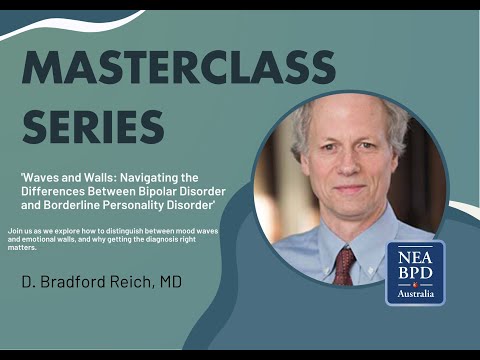
You know, mental health can be a wild ride. Sometimes, it feels like we’re on a rollercoaster with twists and turns that just don’t quit.
So, have you heard much about borderline features? It’s one of those terms that floats around but isn’t always well understood. It can sound pretty clinical, but it’s actually super relatable.
Imagine feeling emotions so intensely that they feel like waves crashing over you—sometimes exhilarating, sometimes overwhelming. Yeah, that’s part of the deal.
In this chat, we’ll break down what borderline features are all about and how they show up in everyday life. Whether it’s in friendships or at work, you’ll see how these experiences resonate with a lot of people.
Let’s get into it!
Essential Borderline Personality Disorder Journal PDF: Tools for Self-Reflection and Healing
When it comes to Borderline Personality Disorder (BPD), self-reflection can be a huge part of the healing process. That’s why having a journal specific to BPD can really help you unpack your feelings, thoughts, and behaviors. So, what’s the deal with an «Essential Borderline Personality Disorder Journal PDF”? Well, let’s break it down.
First off, the idea behind a BPD journal is about creating a safe space for you to explore your emotions and experiences. You might notice that your feelings swing from one end to another—intense joy to deep sadness in hours. This emotional volatility is typical with BPD. Using a journal lets you track these ups and downs over time.
You could start by **writing prompts** that encourage mindfulness. Think about asking yourself questions like:
These prompts can guide you towards recognizing patterns in your emotional responses. It’s like shining a light on what’s going on inside your head!
But journaling isn’t just about writing down feelings; it’s also about **self-compassion**. Sometimes, we can be super harsh on ourselves for our emotions or actions. So, including sections where you practice self-kindness can be transformative. Try writing affirmations like: “It’s okay to feel this way” or “I’m doing my best.” These small reminders can shift how you view yourself.
Another useful tool in the journal could be **DBT skills** (Dialectical Behavior Therapy). DBT is often recommended for those dealing with BPD since it teaches skills for managing emotions effectively. You might have sections labeled:
You know, breaking things down helps! For instance, under “Emotion Regulation,” you could jot down strategies like deep breathing or counting to ten when things get overwhelming.
And then there are those moments of crisis—when everything feels too much and you’re not sure how to cope. Journaling during these tough times may provide clarity and grounding. Don’t shy away from writing raw, unfiltered thoughts during those times; just let it out! Afterward, reflect on what helped or didn’t help after the storm passed.
Sometimes sharing these reflections with your therapist could deepen your therapy sessions too! Your therapist can point out trends in your entries that you might miss otherwise.
While we’re talking tools for healing, consider making it visually appealing too! Adding colors or doodles related to specific emotions can make the process more engaging—you know? It creates a little fun in what sometimes feels like heavy work.
In summary, an Essential Borderline Personality Disorder Journal PDF offers various avenues for self-reflection and healing through understanding your feelings better and learning coping strategies that work for you—even if those ups and downs seem relentless at times. Embrace the journey; every bit of insight counts!
Understanding Borderline Personality Disorder: Key DSM-5 Criteria Explained
Borderline Personality Disorder, or BPD for short, is one of those conditions that can be super tricky to navigate. The DSM-5 is the go-to manual for mental health pros and lays out some key criteria for diagnosing BPD. Let’s break that down a bit, okay?
Evolving Sense of Self
One of the main features is an unstable self-image. You might find yourself struggling to figure out who you are from day to day. One moment you might feel confident and clear about your goals. The next, you could feel lost or completely unsure about what you want in life.
Intense Emotions
Next up, we have mood swings. Think about when you’re having a good day; everything feels great! But then an unexpected comment from a friend could instantly send you spiraling into sadness or anger. These emotions can flip like a light switch, and they often last just a few hours or days.
Fear of Abandonment
Now let’s chat about fear and relationships. If you have BPD, there’s often this intense fear of being abandoned or rejected—you know? It’s like you’re on high alert for any sign that someone might leave you. This can lead to holding onto people really tightly or pushing them away out of fear.
Unstable Relationships
Speaking of relationships, they can be pretty tumultuous. You might experience extreme shifts between seeing people as amazing one minute and then feeling like they’re terrible the next. It’s like riding an emotional rollercoaster with no brakes.
Impulsive Behaviors
Then there are those impulsive behaviors—like binge eating, reckless driving, or spending sprees—that pop up when things get too overwhelming emotionally. It’s almost like trying to fill a void or distract yourself from feeling bad.
Self-Harm and Suicidal Thoughts
This part isn’t easy to talk about, but it’s important: people with BPD sometimes engage in self-harm or have suicidal thoughts. It can feel like the only way to cope with the intense emotions swirling around inside.
Dissociation
Another thing is dissociation; it’s when your mind kinda takes a break from reality. You may feel disconnected from yourself or your surroundings during stressful times, which can be super unsettling.
In short, understanding these criteria helps give insight into what someone dealing with BPD might be feeling and experiencing day-to-day—it’s not just “drama,” it’s so much deeper than that! And it’s crucial for friends and family members to grasp this complexity so they can offer better support throughout the journey.
So yeah, that’s basically what’s going on with Borderline Personality Disorder according to the DSM-5 criteria—complicated stuff but vital for understanding mental health in context!
Understanding Borderline Personality Disorder: DSM-5 Code and Essential Insights
Sure thing! Let’s talk about Borderline Personality Disorder (BPD) in a straightforward way.
Borderline Personality Disorder is a mental health condition that affects the way you think, feel, and relate to others. If you have BPD, you might find your emotions changing quickly and intensely. One minute you’re on top of the world, and the next, you could feel like you’re falling apart. This can be really confusing for both you and those around you.
Now, when it comes to the official definition, it’s documented in the DSM-5, which stands for the Diagnostic and Statistical Manual of Mental Disorders, Fifth Edition. The DSM-5 code for Borderline Personality Disorder is 301.83. This code is used by healthcare professionals when they’re diagnosing someone with this condition.
So, what are some key features of BPD? Here are a few essential insights:
- Intense Emotions: People with BPD often experience extreme feelings—like happiness or sadness—that can change very quickly.
- Fear of Abandonment: There’s usually a deep fear of being abandoned or rejected by loved ones. This can lead to frantic efforts to keep people close.
- Unstable Relationships: Relationships might be characterized by intense highs and lows—idealizing someone one moment and then feeling furious at them the next.
- Impulsivity: Engaging in risky behaviors—like spending sprees or substance abuse—is common when emotions run high.
- Self-image Issues: You might struggle with your self-image or feel like you’re unsure about who you really are.
- Sensitives to Rejection: Even mild criticism can trigger strong emotional reactions.
Now don’t get me wrong; having BPD doesn’t mean you’re broken or anything like that. Many people learn to manage their symptoms effectively over time through therapy. For instance, one popular type of therapy is called Dialectical Behavior Therapy (DBT). It focuses on teaching skills that help with managing emotions and improving relationships.
I remember talking to someone who was navigating life with BPD—it was inspiring yet heart-wrenching all at once. They had such vivid stories of feeling like they were on an emotional rollercoaster daily. But through therapy, they found ways to cope that made a real difference in their life.
Understanding Borderline Personality Disorder is super important because it helps reduce stigma and allows those affected to get the care they need without judgment. If you think BPD might resonate with your experiences or those of someone close to you, reaching out for help from a mental health professional could open up new doors toward understanding and healing.
So remember: if emotions swing from high to low faster than a pendulum, it’s not just drama; it could reflect a condition that deserves compassion and attention.
Okay, so let’s talk about navigating borderline features in mental health. It’s one of those topics that can feel a bit intimidating, but seriously, it’s super important. You know, when we say «borderline,» we’re often referencing Borderline Personality Disorder (BPD), which carries a whole mix of complex emotions and behaviors.
Imagine this: you’re at a party. One minute you’re having fun, laughing with friends, and the next minute you feel like you’re on the brink of tears because someone didn’t invite you to join their group. That kind of emotional rollercoaster is something many folks with borderline features experience. It’s like having your heart on a crazy seesaw!
Now, if you’re dealing with these kinds of feelings or know someone who is, it can be really challenging to figure out how to cope and stay balanced. People often find themselves swinging between intense love and deep anger or frustration within relationships. Like, one moment you feel so connected, and then bam! You’re terrified they’ll leave or hurt you in some way.
Therapy can truly be a lifesaver in these situations—seriously. Dialectical Behavior Therapy (DBT) is one approach that’s often used here. It helps folks learn skills to manage those overwhelming emotions and reduce impulsive behaviors too. It’s all about finding balance—kind of like learning to ride a bike without falling off all the time!
And here’s something that gets overlooked sometimes: compassion for oneself and others is crucial. It’s easy to get stuck in negative thoughts or feel ashamed about how you’re feeling—or maybe even frustrated with someone else who struggles with these emotions too. But remember that everyone has their battles.
Just talking about it openly can make such a difference—whether it’s with friends or professionals who get it! So if you’re in that boat yourself or helping someone navigate life with borderline features, know there are paths toward understanding and healing together.
In the end, it’s all about creating connections filled with empathy while figuring out how to handle things as they come—because honestly? We could all use a little more kindness in our lives!