You know, life can be pretty complicated sometimes. Especially when it comes to understanding ourselves and others, right?
So, have you ever heard of borderline intellectual functioning? It’s one of those terms that sounds super clinical but really just points to some challenges people face in learning and adapting.
Imagine someone who’s smart but struggles with certain tasks, like keeping up in school or figuring out basic problem-solving. That’s where this comes in. You might be thinking: “What does that even mean?”
Well, hang tight! We’re gonna break it down together. By the end of this, you’ll have a better grasp on what it is and how it affects people’s lives every single day.
Effective Strategies for Supporting Individuals with Borderline Intellectual Functioning
Supporting individuals with borderline intellectual functioning can be a journey filled with unique challenges and rewards. This condition often sits on the edge of what’s considered typical intelligence, falling between average and below-average intellectual abilities. It can impact communication, learning, and social skills. So, if you’re looking to offer support to someone in this gray area, here are some effective strategies to consider.
First off, patience is key. People with borderline intellectual functioning may take longer to process information or respond in conversations. Imagine waiting for a friend to come up with a joke; you know they’ll get there eventually, but it might take some time. Give them the space they need to express themselves without rushing.
Next, using clear and simple language can make a world of difference. Avoid jargon or complicated phrases that might confuse them. For example, instead of saying “navigate through your feelings,” you could say “let’s talk about how you feel.” That way, everything feels more approachable.
You might also want to focus on supportive environments. Create spaces where individuals feel safe asking questions and exploring their thoughts without fear of judgment. Kind of like how you’d want your home to feel cozy for friends—encouraging open conversation is vital too!
Another helpful strategy is to offer consistent routine and structure. Predictability can help them feel more secure and capable. Think about it: like having a regular schedule at school makes folks feel settled. When they know what’s coming next in their day, it reduces anxiety and boosts confidence.
Additionally, consider using visual aids or hands-on activities for learning new skills or concepts. Sometimes people grasp ideas better when they see things laid out visually or get their hands involved in tasks—like cooking together instead of just reading a recipe.
Encouraging strong social connections is super important as well. Help facilitate opportunities for friendships through group activities or shared interests. Maybe both of you could join a local club or hobby group where everyone feels included. It’s like forming an extended family; support from peers can truly uplift their spirits.
Lastly, being aware of mental health resources available is invaluable too! Whether it’s talking about counseling options or community programs that focus on skill-building—having access to these can make life so much easier for individuals navigating this condition.
In summary, supporting someone with borderline intellectual functioning involves being patient while using clear language and fostering secure environments—all while keeping things structured and engaging! Each step taken together counts toward building their confidence and self-esteem so that they can thrive in different aspects of life!
Understanding Borderline Intellectual Functioning: A Comprehensive Guide
Understanding Borderline Intellectual Functioning can be a bit tricky, but let’s break it down together.
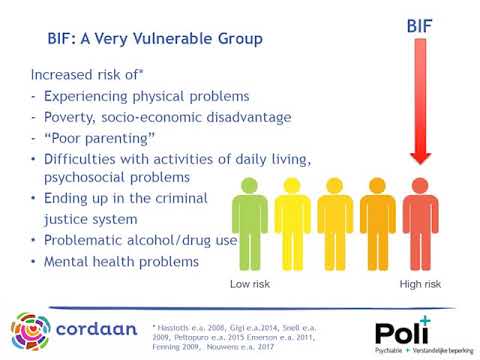
Borderline Intellectual Functioning, often abbreviated as BIF, refers to a cognitive ability that falls between average IQ and intellectual disability. Basically, it’s when someone has an IQ range from about 70 to 84. What does that mean in real life? Well, people with BIF may struggle with certain tasks that require more complex thinking or problem-solving skills but can often function fairly well in daily life with some support.
Characteristics of Borderline Intellectual Functioning:
- Cognitive Challenges: Individuals may find it hard to grasp abstract concepts or multitask effectively.
- Learning Difficulties: Schoolwork can be more challenging. Think of things like reading comprehension or math problems—these might take longer to understand.
- Social Skills: Sometimes, social situations can be tricky too. Misreading cues or understanding sarcasm could lead to misunderstandings.
- Adaptability: Although they may face challenges, many people with BIF develop coping strategies and adapt well to their environments.
You might meet someone who seems perfectly fine until you realize they struggle with planning ahead or organizing tasks. Like I once had a friend who couldn’t manage his schedule well; simple things like remembering appointments seemed harder for him. It didn’t mean he wasn’t smart; he just processed information differently.
Diagnosis and Assessment:
Getting diagnosed isn’t as simple as walking into a doctor’s office. It usually involves comprehensive evaluations by psychologists who use standardized tests to measure IQ and assess adaptive functioning—basically how well someone handles everyday tasks compared to their peers.
But here’s the thing: labels can be limiting! Just because you’re categorized under BIF doesn’t mean you can’t have strengths in other areas, like creativity or practical skills. People are diverse!
Support Strategies:
For those navigating life with borderline intellectual functioning, support is key:
- Education: Specialized educational plans can make a big difference.
- Life Skills Training: Learning daily living skills—like budgeting or meal prep—can help build independence.
- Counseling and Therapy: Talking things out with professionals can help manage any anxiety or self-esteem issues that might come up.
So if you’re feeling lost trying to understand how this all fits together in your life—or someone else’s—know that the journey doesn’t have to be walked alone. With the right tools and understanding from others, folks living with Borderline Intellectual Functioning can thrive.
Remember that each person is unique! What’s important here is recognizing their individual abilities and adjusting supports accordingly so they feel empowered rather than defined by a label.
Understanding the Characteristics of Borderline Intellectual Functioning: A Comprehensive Guide
Understanding borderline intellectual functioning (BIF) can feel a bit like wandering in a dense fog. You can see shapes and outlines, but the details are often blurry. So, let’s break it down into digestible pieces, shall we?
What is Borderline Intellectual Functioning?
Basically, BIF sits between average intelligence and intellectual disability. It’s typically defined by IQ scores ranging from about 70 to 84. This range suggests that while individuals may struggle with cognitive tasks, they’re not completely out of the game.
Key Characteristics of BIF:
So what should you look for? Here are a few common traits:
Now, here’s where it gets personal: Imagine having a friend who is super funny and kind but seems to misunderstand social situations often. They might take jokes literally or miss sarcasm completely. That’s someone who could be teetering on the edge of borderline intellectual functioning—smart in their own way but facing hurdles others don’t notice.
The Importance of Context:
Understanding BIF isn’t just about the numbers on an IQ test; context really matters! Environments play a huge role here. If someone grows up in a supportive space that emphasizes learning and emotional health, they might do way better than someone without those resources.
Treatment and Support:
Lucky for those navigating this path, there are options available!
So you see? There are ways to get through this fog together! Understanding BIF leads not only to empathy but also to effective support strategies that can truly change lives.
In summary, the journey with borderline intellectual functioning is nuanced but navigable. With awareness and effort from both individuals and support systems, brighter paths are possible! And remember, it’s all about working with what you’ve got while pushing for growth at your own pace.
Borderline Intellectual Functioning, or BIF for short, is a term that can sometimes get lost in translation, you know? It sits in this gray area between what’s considered average intelligence and intellectual disability. People with BIF usually have IQ scores between 70 and 84. This isn’t a hard and fast rule—IQ isn’t the only thing that defines someone’s capabilities or potential.
I remember a friend of mine, let’s call him Jake. He always struggled in school but had an incredible knack for fixing things. You could toss him a broken radio or a computer that wouldn’t boot up, and he’d somehow bring it back to life. But when it came to passing tests or understanding more abstract concepts? That was a whole different ballgame for him. It was frustrating for Jake because he knew he was capable of so much but felt like people only focused on those numbers.
Now, when we talk about BIF in psychology, it’s crucial to approach it with empathy and understanding. It’s not just about the test score; it’s about seeing the person behind the label, their strengths, weaknesses, struggles, and triumphs. Many individuals navigate daily life with challenges—things like problem-solving skills or abstract reasoning—and that can create hurdles in educational settings or work environments.
Education systems can be hit-or-miss for folks with BIF too. Some schools do a great job of tailoring learning experiences to be more engaging and hands-on. But other times? They might miss the mark entirely because they don’t take those specific needs into account. Imagine being stuck in a classroom where everyone is buzzing with advanced discussions while you’re struggling just to keep pace—that’s gotta be disheartening!
Support really makes a difference here. With proper guidance—like counseling or specialized teaching methods—people can build their skills over time and find pathways that resonate with them personally. Basically, there’s way more to someone than just what a number on a paper says.
It strikes me how our society often values traditional intelligence above all else when people shine in various ways if we just look closely enough! So yeah, navigating Borderline Intellectual Functioning isn’t just about numbers; it’s about recognizing humanity and potential beyond labels—a reminder that we are all unique players on this grand stage called life!