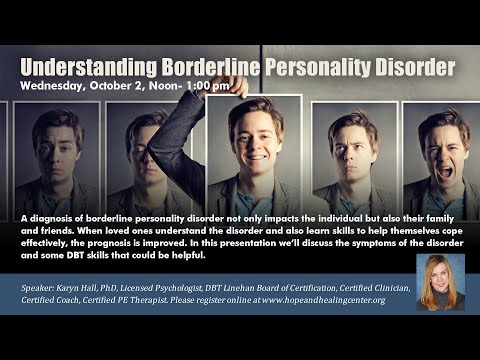
You know those days when you feel like you’re on top of the world? Yeah, like nothing can bring you down. And then—bam—you hit rock bottom.
That’s kinda the vibe with borderline mania. It’s this wild emotional ride, swinging from euphoric highs to gut-wrenching lows in no time flat.
It can be confusing, exhausting, and honestly a bit scary. You might find yourself wondering, “What’s wrong with me?” But hey, you’re not alone in this.
Let’s talk about it—what it feels like and how to navigate this rollercoaster of emotions. You’ll see there’s more to it than meets the eye.
Effective Strategies to Manage and Reduce BPD Manic Episodes
Borderline Personality Disorder (BPD) can be a real rollercoaster of emotions, especially when it comes to those manic episodes. You might feel like you’re on top of the world one moment, and then way down low the next. Let’s dig into some effective strategies to help manage and reduce those highs.
Understanding Triggers
First off, it’s important to know what triggers these manic episodes. It can sometimes be linked to stress, relationship issues, or even changes in routine. Keeping a journal can help you identify your triggers. Just jot down your feelings and what was going on around you whenever you feel that high coming on.
Grounding Techniques
When you sense a manic episode approaching, grounding techniques can be your best friend. This basically means focusing on the here and now. Try something simple like taking deep breaths or counting objects in the room. Seriously, just looking around and focusing on five things you can see helps bring you back down.
Establishing Routines
Creating a daily routine can really stabilize your mood swings. It adds some predictability to your day that might help keep those highs in check. Make sure there’s time for self-care activities—like exercise or hobbies—that you genuinely enjoy.
Mindfulness Practices
Mindfulness is another great tool in your toolbox. This involves being present in the moment without judgment. You could practice meditation or yoga, which really teaches you how to connect with yourself without getting lost in those emotional highs.
Therapeutic Support
Therapy is super valuable for managing BPD symptoms! Working with a therapist who specializes in BPD can guide you through cognitive-behavioral strategies tailored just for your needs. They might teach you how to reframe negative thoughts that pop up during your manic phases.
Medication Management
If you’re finding it hard to manage these episodes solely with lifestyle changes, talking with a psychiatrist about medication options might be wise. There’re different types of medications that could help smooth out those emotional spikes; just chat with them about what feels right for you!
Social Support
Don’t underestimate the power of having someone to talk to when you’re feeling wired up! Connecting with friends or family who understand what you’re going through is so helpful—even if it’s just venting over coffee about life’s crazies.
In short, navigating through BPD’s manic episodes isn’t easy—you’ll have good days and bad ones for sure—but by using these strategies consistently, things can start looking brighter over time! Remember: if one method doesn’t work today, it doesn’t mean it won’t work tomorrow—you get me? Hang in there; you’ve got this!
Understanding the Emotional Rollercoaster: Why Individuals with BPD Experience Intense Highs and Lows
So, let’s chat about this emotional rollercoaster folks with Borderline Personality Disorder (BPD) often go through. You might know someone who’s got BPD or maybe you’ve experienced it yourself. It’s not just feeling a bit up and down; it can be like being on a wild ride with sudden drops and unexpected twists.
People with BPD can hit incredibly high emotional peaks, which some folks call *mania*. You might feel really energetic, super excited about life, or like you can take on the world. It’s that rush where everything seems amazing. But just like that thrilling ride, it often doesn’t last long before you plunge into an emotional low that feels like hitting rock bottom.
One thing to keep in mind is that these highs and lows are often triggered by outside factors—like someone saying something hurtful or a change in plans. Basically, your emotions can feel like they’re on a string being pulled by the people around you.
But why does this happen? Here are some insights:
- Emotional Dysregulation: This is when emotions swing wildly from joy to despair. Folks with BPD struggle to manage their feelings effectively which leads to those intense ups and down.
- Fear of Abandonment: Many people with BPD have an intense fear that someone they care about will leave them. This fear can provoke massive emotional reactions—like getting seriously upset over something minor.
- Identity Issues: A lot of individuals with BPD struggle with knowing who they are. One moment they could feel on top of the world, identifying as super confident; then suddenly, they might feel worthless or lost.
- Coping Mechanisms: Sometimes people try to cope in unhealthy ways when those emotional dips hit hard. Things like substance use or self-harm become issues because they seem to offer relief from painful feelings.
To illustrate all this, let me share an example: Imagine Sarah, who just landed her dream job after searching forever. She’s over the moon! Her friends celebrate with her and she feels invincible. Then one day at work, she accidentally spills coffee on her boss—oh no! Suddenly it feels like the end of the world. That day ignites a wave of shame and despair so intense that she questions everything about herself.
Seriously though, imagining those swings can help put things into perspective. It’s not just moodiness; it’s deeply rooted in how people with BPD process their experiences emotionally—it’s part of their condition.
Managing these highs and lows isn’t easy but therapy plays a big role here. Dialectical Behavior Therapy (DBT) is one popular approach for individuals dealing with BPD symptoms. DBT helps teach skills for regulating emotions better and coping more effectively when those lows hit.
The struggle is real for folks facing this rollercoaster ride of emotions—recognizing what it means can be the first step toward understanding them better or even helping yourself if you’re riding this wave too!
Understanding BPD Manic Episode Symptoms: Key Signs and Coping Strategies
Living with Borderline Personality Disorder (BPD) can often feel like being on a rollercoaster. You might find yourself swinging from extreme emotional highs to crushing lows, and it’s not just about feeling sad or happy. People with BPD can experience what some call “manic episodes.” So what does that even look like? Let’s break it down a bit.
When we talk about manic episodes in BPD, we’re often diving into a whirlwind of intense emotions. These feelings can seem almost euphoric at times. You might feel invincible, like you can take on the world. But there’s more going on than just those high-energy moments.
- Impulsivity: One of the glaring signs is acting without thinking. You could go on shopping sprees or make spur-of-the-moment decisions without considering the consequences.
- Excessive energy: You might notice feeling unusually energetic, wanting to tackle every project in sight, or talking a mile a minute.
- Racing thoughts: Your mind may jump from one idea to another so fast it’s hard to keep up.
- Intense emotions: Feelings may surge, leading to extreme excitement, irritability, or frustration—like your mood is on a spinning wheel!
And here’s the kicker: this mix of symptoms can make relationships pretty rocky. I remember chatting with someone who described their manic episode as feeling «on top of the world» one minute and then flipping out over something small just hours later. It’s exhausting.
Now that we’ve identified some key signs, let’s talk about coping strategies. Because honestly? It can be tough navigating these emotional highs and lows without some sort of plan.
- Breathe: Seriously! Practicing deep breathing can ground you during those intense emotions.
- Journaling: Writing down your feelings helps you track mood changes and recognize patterns over time.
- Talk it out: Just having someone listen—like a friend or therapist—can make things clearer when everything feels chaotic inside.
- Create structure: Building routines might help stabilize those wild swings in emotion and give you something solid to hold onto during turbulent times.
These strategies aren’t magic fixes, but they might just bring some relief during those fiery episodes. Remember, you’re not alone in this journey and understanding what BPD manic episodes entail is already a huge step forward. Just take it one day at a time; sometimes that’s all you need to do!
Borderline mania, huh? It’s one of those tricky terms that can hit home for a lot of us. Picture this: you wake up one day feeling like you can conquer the world. You’ve got energy, ideas are rushing through your mind, and everything feels vibrant and alive. Then, the next day, bam! You crash down into a pit of despair or overwhelming anxiety. It’s like you’re on this emotional rollercoaster that never really stops.
I remember talking to a friend who had been dealing with these wild mood swings. One moment she was planning a spontaneous trip to Europe because she felt invincible. The next, she was crying over pasta at dinner because she felt completely alone and misunderstood. I could see how exhausting it was for her, you know? Living on that edge where every high is followed by an intense low—it’s no walk in the park.
So what’s going on here? Well, when we talk about borderline mania—often tied to Borderline Personality Disorder (BPD)—it’s like being in a relationship with your emotions that’s marked by unpredictability. You might feel super euphoric and make impulsive decisions—maybe even take risks without thinking them through. Then reality hits hard, and those feelings can spiral into sadness or anger that feels just as intense but totally different from before.
The thing is, navigating these emotional highs and lows can feel overwhelming. It’s not just about having good days or bad days; it’s about trying to stabilize yourself in between those peaks and valleys. Sometimes it helps to talk things out with someone you trust or a therapist who gets what you’re going through. They can help make sense of it all—you know, like offering a lifeline when everything feels like it’s collapsing around you.
More than anything else, though? It’s important to remember you’re not alone in this struggle. Many people experience similar feelings but may not always have the words for them. Emotions are messy—they don’t follow a script—and figuring out how to ride those waves takes time and patience.
So if you find yourself experiencing borderline mania or something close to it, just take a breath! Don’t be too hard on yourself during the highs or lows; they’re all part of your journey. Emotions are powerful tools if we learn how to handle them rather than let them handle us!