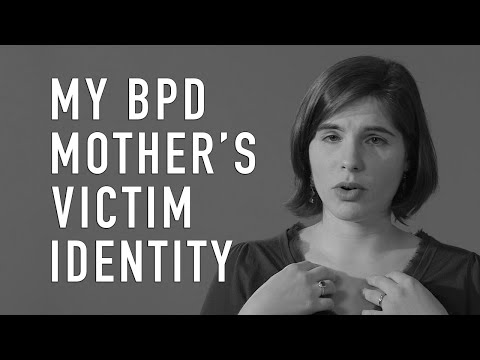
Alright, let’s talk about moms. You love them, right? But, like, what if your mom has Borderline Personality Disorder?
It can be a real rollercoaster ride. One minute she’s your biggest cheerleader, and the next? Total chaos.
You’re not alone in this. Seriously. Many people feel confused and overwhelmed when dealing with a mom who has BPD.
Let’s hash it out together. How do you navigate those ups and downs without losing your sanity?
Grab a comfy seat. We’re diving into this wild world of emotions, bonds, and some seriously messy dynamics. Hang tight!
Navigating Life with a Mother Who Has Borderline Personality Disorder: Essential Strategies for Support and Understanding
Navigating life with a mom who has Borderline Personality Disorder (BPD) can be a real rollercoaster, you know? Sometimes it feels like you’re walking on eggshells, trying to avoid triggering intense emotions. But don’t worry—understanding her condition and finding ways to support both her and yourself can really make a difference.
First off, what’s BPD? Well, it’s a mental health disorder that affects how someone feels about themselves and others. People with BPD often have unstable moods, intense emotions, and sometimes struggle with maintaining relationships. This can lead to some pretty chaotic situations at home.
One of the biggest challenges you might face is her emotional instability. You could have a lovely chat one moment, and then suddenly she feels abandoned or angry over something small. Being aware of these mood swings helps you prepare for them. Recognize that it’s not about you; it’s more about her struggles with regulating emotions.
Communication is key in these situations. Sometimes, when things get heated or confusing, the best thing to do is listen actively without judgment. Use “I” statements instead of “you” statements to express your feelings without making her feel attacked. Like saying “I feel anxious when…” instead of “You always make me anxious when…”
You might also want to set boundaries—this is super important! It’s okay to say no sometimes or let her know what behavior you cannot tolerate. Boundaries can help create a healthier environment for both of you. Just remember to communicate these boundaries clearly and gently.
Another valuable strategy is practicing self-care. Dealing with someone who has BPD can be draining emotionally and mentally. You’ve got to take care of yourself too! Engage in activities that recharge you—whether that’s hanging out with friends, reading, or exercising.
Support groups can also be beneficial if you’re feeling overwhelmed. Talking with others who share similar experiences can provide comfort and guidance. There are plenty of resources online where people discuss their journeys.
And don’t forget about education! Learning more about BPD will give you insights into what she might be experiencing. Books, articles, or even videos from mental health professionals can offer perspectives that help you empathize more deeply.
Lastly, encourage professional help for your mom if she isn’t already getting it. Therapy can do wonders for someone struggling with BPD—it offers tools for managing emotions effectively.
Navigating life under these circumstances isn’t easy—it’s okay to feel confused or frustrated sometimes. Just take it one step at a time, remember there are people out there who understand your situation—and don’t hesitate to lean on your support system when needed!
The Impact of a Mother with BPD on Child Development: Understanding the Effects
Being raised by a mom with Borderline Personality Disorder (BPD) can seriously shape a kid’s emotional world. BPD often brings intense emotions, mood swings, and fears of abandonment, all of which can affect the parent-child relationship in profound ways. Let’s break this down.
First off, what is BPD? It’s like an emotional rollercoaster—real highs and lows. Your mom might have moments of love and warmth but then suddenly switch to anger or sadness. This unpredictability can leave you feeling confused and anxious. You never know which version of her you’ll get on any given day.
What do these ups and downs mean for a child? Well, a few big things come into play:
- Fear of Abandonment: Kids often feel they’re walking on eggshells, not wanting to trigger their mom’s mood swings. This can lead to anxiety about being left or rejected.
- Self-Esteem Issues: Constantly seeking approval from an unpredictable parent may cause kids to question their worth. They might feel like they have to earn love rather than simply being loved unconditionally.
- Emotional Regulation Problems: Growing up in such an unstable environment makes it hard for kids to manage their own emotions. They might struggle with intense feelings themselves—anger, sadness, or even joy can feel overwhelming.
- Difficult Relationships: Relationships later in life could be tough too. If you’ve experienced chaos at home, trusting others as you become an adult might feel daunting.
- Coping Mechanisms: Kids often pick up unhealthy ways to cope—like avoiding conflict or overly pleasing others—to keep the peace at home.
Let’s dig a bit deeper into that fear of abandonment I mentioned earlier. Imagine you’re at school, and your friends are talking about hanging out after class. Suddenly, you feel that twinge of panic because what if your mom is having one of those bad days? You know that she might need extra support from you, so saying no isn’t really an option—or so it feels.
Now think about those self-esteem issues too. Say your mom has a habit of pointing out faults when she’s upset; that can stick with you for years! You start thinking you’re not good enough even long after those moments pass.
So how does all this play out in real life as adults? You might find yourself repeating patterns from childhood—like picking partners who are unreliable or emotionally volatile because it’s familiar territory for you.
But here’s the good news: recognizing these patterns is the first step toward breaking free from them! Therapy can be super helpful in navigating these feelings and learning new ways to respond to them.
In the end, growing up with a parent who has BPD is challenging but not insurmountable. It takes time and effort but understanding these dynamics is key to healing and finding healthier relationships moving forward. Remember: whatever you’ve gone through doesn’t define your future—you have the power to create change!
Understanding the Love of BPD Mothers: Insights into Emotional Bonds with Their Children
Alright, let’s talk about the emotional landscape of having a mom with Borderline Personality Disorder (BPD). It’s complex and can feel like a rollercoaster ride. You’re likely feeling a mix of love and confusion in your relationship with her, so understanding that bond becomes key.
BPD can shape how your mom expresses love. One moment she might shower you with affection, and the next, she could be upset over something small. This intensity can be tough on both sides. For her, emotional swings can feel like living in a storm; for you, it might feel like walking on eggshells. It’s important to remember that her love is real but often influenced by her emotional state.
- Impulsivity: Your mom may act out in ways that seem erratic or unpredictable. For instance, she might suddenly decide to take you on an impromptu trip one day but then cancel plans the next because she’s feeling low. These actions stem from her struggle to manage emotions.
- Fear of abandonment: Many moms with BPD experience intense fears about losing their loved ones. This can lead them to cling tightly or even lash out during conflicts because they fear rejection deeply. You might notice she sometimes tries to keep you close, even if it feels too much for you.
- Love and criticism: A common struggle is that her expressions of love may come packaged with criticism or pressure to meet certain expectations. It’s hard when someone says they love you one minute but then points out flaws the next.
- Lack of stable identity: Sometimes, BPD may make it hard for her to know who she is, let alone how she feels about others consistently. You might see this reflected in how she talks about herself or changes interests frequently; it makes loving relationships complicated.
This pattern doesn’t mean she doesn’t love you—it’s just her way of coping with an overwhelming set of feelings. A typical example could be a birthday celebration where everything seems perfect until something minor triggers a sudden shift in mood, leaving everyone confused and hurt.
You’re left navigating this complicated emotional terrain. It’s crucial to establish boundaries for your well-being while also finding ways to connect when she’s able to show genuine warmth and affection. Open conversations about feelings might help—it’s not always easy but can create space for healing amidst the chaos.
The thing is, understanding your mom’s behavior doesn’t excuse it; instead, it gives you insights into what drives those ups and downs. Therapy might also be beneficial—for both of you! Finding ways to communicate better can provide relief from some tension.
Holding onto healthy memories can act as a light in darker times too—think back on those moments when things felt stable or joyful between you two. Those memories remind us that there are layers beyond the struggles; they prove that despite everything else, love remains present amid turmoil.
If you’re feeling overwhelmed by all this—or need support—don’t hesitate to reach out either to therapy or trusted friends who understand what you’re going through. The journey ahead might be rocky at times but knowing more about your relationship helps ease some burdens along the way!
Navigating life with a mom who has Borderline Personality Disorder (BPD) is like walking on a tightrope, you know? One minute, things can feel all warm and fuzzy, and then suddenly it’s like you’re in the middle of a storm. There’s this unpredictable flow of emotions that can take you by surprise.
I remember this one time when I was just hanging out at home, excited about some news I had to share. I thought my mom would be thrilled. But when I told her, instead of joy, she flipped out. She went from zero to a hundred in seconds over something that seemed small to me. It felt like my heart dropped; it was hard to figure out how we ended up there.
You’ll find yourself stuck between wanting her love and trying to shield yourself from those intense mood swings. The thing is, with BPD, the emotions are so raw and real for them that it’s hard not to feel affected by them. So when she’d go through cycles of intense anger or sadness, I’d often find myself walking on eggshells.
Sometimes you might feel guilty for feeling frustrated or wanting your own space. It’s tough because you care so much about her well-being but also need to take care of yourself too. It kind of becomes this balancing act where you’re forever trying to validate her feelings while grappling with your own.
And let’s get real here; it’s easy to feel alone in all this. People don’t really talk about what it’s like dealing with a parent who has BPD—you sort of just have to figure it out on the fly. You learn coping mechanisms just by living through the chaos.
But over time, I’ve learned the importance of setting boundaries—like saying no sometimes or stepping back when things heat up. Sure, it feels awkward at first, but it’s so necessary for your mental health in the long run.
So yeah, having a mom with BPD is complicated and challenging but also teaches resilience in ways you didn’t expect. You become better at understanding emotions—not just yours, but others around you too—which is kind of a silver lining amidst all the chaos!