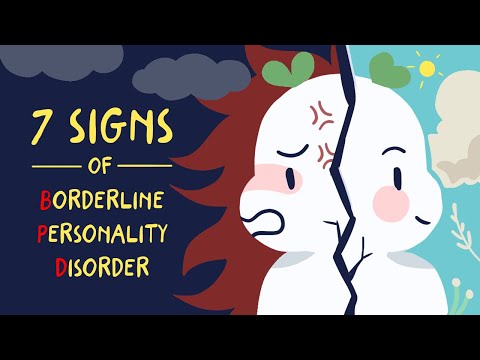
You know, figuring out mental health stuff can be super tricky. One minute you’re feeling up, and the next, it’s like you’ve hit rock bottom. Seriously, it’s a wild ride.
So, let’s talk about Borderline Personality Disorder. Ever heard of it? Some people might think it’s just about being moody or dramatic. It’s way more complicated than that.
Imagine being on an emotional rollercoaster—constantly swinging between highs and lows. It can really mess with your relationships and how you see yourself.
And here’s the thing: recognizing the symptoms is key. The sooner you spot them, the better chance you have at grasping what’s going on.
Understanding Borderline Personality Disorder: Common Behaviors and Emotional Patterns
Borderline Personality Disorder, or BPD, can seem pretty complex at first glance. But if you break it down, it’s about how someone feels and interacts with the world around them. So, let’s chat about some common behaviors and emotional patterns that can really help you understand what someone with BPD might go through.
- Intense Emotions: People with BPD often experience feelings that are super intense and change quickly. Imagine feeling on top of the world one minute and then plunged into despair the next. For them, this emotional rollercoaster can be exhausting.
- Fear of Abandonment: There’s usually a deep fear of being abandoned or rejected. This fear can lead to frantic efforts to avoid real or imagined abandonment. They might cling tightly to friends or partners, sometimes leading to pressure-filled relationships.
- Unstable Relationships: Relationships can be very intense but volatile. One moment they may idealize someone, feeling like they’re perfect; the next, they might suddenly feel like that person is terrible or doesn’t care at all. It’s like switching between black-and-white thinking.
- Self-Image Issues: A person with BPD may struggle with a fluctuating self-image or sense of identity. You know those moments when you aren’t sure who you are? For them, this kind of confusion happens often and can impact their decisions and interactions.
- Impulsive Behaviors: Impulsivity can show up in various ways—like spending sprees, risky sexual behavior, substance abuse, or binge eating. These actions often come from an attempt to cope with overwhelming emotions but can lead to more problems down the line.
- Difficulties in Regulating Emotions: Emotional regulation is tough for many people with BPD. They might feel emotions strongly but have a hard time calming down once they’re upset. It’s like being on fire and not knowing how to put it out!
- Feelings of Emptiness: A constant feeling of emptiness is common too. Like maybe they’ve got everything on the outside—friends, work—but still feel hollow inside. It’s seriously tough living in that space.
- Paranoia or Dissociation: Sometimes under stress, people with BPD might feel disconnected from reality or paranoid about others’ intentions toward them. It’s scary when your mind plays tricks on you like that!
Anecdote time! I once met a girl named Mia who had gone through several friendships because she feared her friends would abandon her; she’d lash out just when things felt stable out of sheer panic! Understanding her patterns helped me see that her feelings were real even if her reactions seemed extreme.
BPD isn’t easy to live with—both for those experiencing it and their loved ones. But by recognizing these behaviors and emotional patterns, we can create more compassion around this condition. Plus, getting professional help makes a huge difference too! It’s all about understanding each other better.
Unveiling Borderline Personality Disorder: 5 Surprising Symptoms You Need to Know
Sure, let’s talk about Borderline Personality Disorder, or BPD for short. This condition can be pretty tough to handle, both for the person living with it and those around them. You might have heard a lot about BPD already, but there are some surprising symptoms that can really shine a light on what it’s like. So let’s dive right in.
Intense Emotions: One of the hallmark traits of BPD is experiencing emotions like they’re on steroids. Seriously! You can feel joy and love so deeply one moment, and then plunge into despair or anger just as quickly. It’s like riding a roller coaster where the drops are way steeper than the climbs.
Fear of Abandonment: Imagine loving someone so much that even a text not replied to feels like they’ve left you behind. People with BPD often have this overwhelming fear of abandonment, whether real or imagined. It could lead to some pretty drastic actions or reactions, maybe pushing someone away because they’re terrified they’ll leave anyway.
Unstable Relationships: This one ties back to that fear of being abandoned. Relationships can feel like extreme highs and lows—one day you’re best friends, and the next day they’re dead to you. These swings can be confusing, not just for the person with BPD but also for their friends and family. It’s tough to navigate those intense connections.
Identity Issues: Knowing who you are is hard enough for everyone at times, right? But with BPD, it can be even more chaotic. You might switch between different identities or feelings about yourself—one minute you feel confident and ready to take on the world; the next, you’re questioning your existence completely.
Impulsive Behaviors: Here’s where things can get tricky—people with BPD might engage in impulsive behaviors that put them at risk. Think reckless driving, substance use, or unexpected shopping sprees when they’re feeling down. It’s almost like trying to escape those intense feelings by doing something wild.
So remember this: if someone shows these symptoms, it doesn’t mean they have BPD—it just highlights experiences people might go through while dealing with emotions intensely. And helping individuals understand what they’re going through is super important too! It’s all about support and understanding—something we could all use a bit more of during tough times!
Real-Life Examples of Borderline Personality Disorder: Understanding BPD in Everyday Scenarios
Borderline Personality Disorder (BPD) is one of those conditions that can really mess with a person’s emotional world. You know, it’s not just about feeling sad or anxious; it’s like riding a rollercoaster of emotions. Let’s break down some real-life examples to help you see how it plays out in everyday situations.
First off, imagine someone named Mia. She’s super passionate and loves her friends deeply, but she can also get really upset if she feels ignored. One minute she’s laughing and planning a fun outing, but if a close friend cancels last minute, she might feel totally abandoned. This is an example of **emotional instability**, a key symptom of BPD.
Another scenario could be Ryan, who often finds himself in intense relationships that burn bright and then fizzle out fast. He might idealize his new partner, thinking they are perfect. But as soon as there’s a small disagreement, he’ll suddenly feel like they’re the worst person ever. This is what we call **splitting**—seeing things only in black or white without any gray area.
Let’s not forget Emily, who has this fear of being left alone. She might call you five times in a row if you don’t respond quickly enough to her texts because she worries you’ve abandoned her. This fear can lead to **impulsive behaviors**, like acting out to get your attention or even threatening self-harm if she feels too alone.
How about Alex? He encounters situations where he struggles to control his anger. Maybe he gets into arguments over minor issues with friends or coworkers and then feels overwhelming regret afterward. Those feelings can spiral into deeper emotional pain because he often feels like no one understands him.
Then there’s Sarah, who sometimes uses substance abuse to cope when things get tough emotionally. She drinks heavily after an argument with her family just to numb the pain or feel something different — it’s like finding temporary relief amidst chaos.
In all these cases, it’s vital to remember that people with BPD aren’t being dramatic on purpose; their emotional responses are genuinely intense and hard for them to manage sometimes. Understanding these scenarios makes it easier to empathize and see the complexity behind their feelings and actions.
While we can’t cover *every* aspect here, recognizing these symptoms in real-life situations helps paint a clearer picture of what BPD looks like day-to-day—it’s all about those ups and downs that feel so extreme for them but can be puzzling or frustrating for others around them.
So next time you find yourself trying to understand someone struggling with these emotional challenges remember: It’s more than just label; it’s about the experiences that shape their reality every day!
Okay, so let’s talk about Borderline Personality Disorder (BPD) for a minute. It’s one of those topics that can be super complex, so I wanna break it down a bit. You might have heard people throw around the term “borderline” without really getting what it means. But the reality is, people living with BPD often experience some intense emotional stuff.
I had a friend who was going through some rough times, and at first, I didn’t understand why she’d swing from feeling on top of the world to being deeply sad in just a few hours. One moment we’d be laughing about silly things, and the next, she’d retreat into herself, struggling with this overwhelming fear of abandonment or feeling like no one really cared. That’s one symptom – really intense emotions that can shift sharply.
You know how sometimes you feel frustrated but can bounce back? For folks with BPD, those feelings can spiral quickly. They might have trouble controlling their anger or feel empty inside a lot of the time. It’s tough seeing someone you care about go through that because it feels so alien when you’re not in their shoes.
Another thing is relationships. People with BPD often have rocky relationships because they might see people as all good or all bad—kind of black and white thinking. This polarization can lead to drama and misunderstandings that can be hard to navigate, both for them and for those close to them.
And let’s not forget about impulsivity! A lot of individuals with BPD might engage in risky behaviors when they’re feeling overwhelmed—like spending sprees or even substance abuse—just to escape from that emotional chaos.
The trickiest part? Recognizing these symptoms isn’t always easy. Sometimes they’re misunderstood as just being moody or dramatic, but there’s so much more underneath it all—vulnerabilities that need empathy and understanding rather than judgment.
So if you see these symptoms either in yourself or someone close to you, remember it’s essential to approach them with kindness and support. Things like therapy really help; skills training can make a world of difference in managing those big feelings.
At the end of the day, awareness is key here for everyone involved. Learning more can open doors for conversations—and hopefully create space for healing too. Everyone deserves understanding when navigating such complicated emotional landscapes!