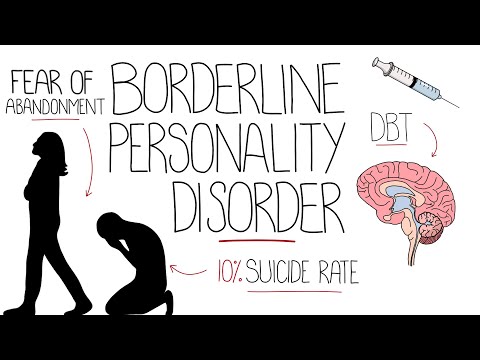
Alright, let’s chat about something that doesn’t get enough airtime: Borderline Personality Disorder, or BPD for short.
Sounds heavy, right? But hang with me for a second. You know those days when your feelings seem to rollercoaster out of control? Imagine that feeling on steroids!
BPD can honestly be a wild ride. It’s messy, emotional, and sometimes super confusing—for the person dealing with it and their loved ones.
So how do you even start to wrap your head around it? The DSM has some insights that can help make sense of this whole thing.
Understanding BPD: Insights from the DSM-5 Framework
Borderline Personality Disorder (BPD) is one of those terms that people throw around a lot, but there’s really more to it, trust me. The DSM-5, which is the Diagnostic and Statistical Manual of Mental Disorders, provides a framework for understanding BPD. It lays out criteria that help professionals identify and diagnose the disorder.
So, what defines BPD? Well, the thing is, it’s a complex condition characterized mainly by unstable moods, behavior, and relationships. Think about it like being on an emotional rollercoaster—you know? One minute you might feel on top of the world, and the next you’re deep in despair.
According to the DSM-5, individuals with BPD typically display symptoms in several areas:
- Emotional Instability: You might experience intense mood swings that last a few hours to a few days. It’s not just feeling sad; it’s feeling like your whole world has flipped upside down.
- Interpersonal Relationships: Relationships can often be intense and unstable. You may swing between idealizing someone one moment and then suddenly feeling like they don’t care at all.
- Sense of Self: There’s usually an unstable self-image or sense of identity. Sometimes you feel strong confidence in yourself; other times you might struggle with who you are altogether.
- Impulsivity: Acting on impulse can lead to risky behaviors—think spending sprees or reckless driving—things that could put you in harm’s way.
- Self-Harm: Many with BPD might resort to self-injury or have suicidal thoughts as a way to cope with emotional pain.
- Difficulties with Anger: It’s common for people with BPD to struggle with anger management issues; emotions can escalate quickly.
- Chronic Feelings of Emptiness: You may often feel empty inside—kind of like there’s this void that nothing seems to fill.
- Derealization: This is when everything feels surreal or «off,» making it hard to connect with what’s happening around you.
You see how it affects various aspects of life? A friend of mine once shared how her sister has BPD. One day they were laughing together over coffee, but then out of nowhere, her sister got upset about something trivial. It felt like watching someone change channels—in just seconds! That kind of unpredictability can be exhausting for both sides.
Now let’s touch on **the causes**—there’s no one-size-fits-all answer here. Factors include genetics (like family history), brain structure (certain parts may function differently), and environmental factors such as trauma or neglect during childhood.
As for **treatment**, while there’s no magic cure for BPD yet, various therapies can definitely help manage symptoms better:
There are also medications that may alleviate certain symptoms but aren’t specifically designed for BPD.
It’s important not to stigmatize anyone living with BPD; they often have complex emotional experiences that many find tough to understand. Just think about how lovely it would be if we could all show a bit more compassion toward each other during tough times—you feel me?
So yeah! This is just the tip of the iceberg when it comes to understanding Borderline Personality Disorder through the lens provided by the DSM-5 framework. If you’ve got questions or want more details about specific areas related to this topic, I’m all ears!
Understanding Insight in Borderline Personality Disorder: Do BPD Patients Recognize Their Condition?
Understanding insight in Borderline Personality Disorder (BPD) can be kind of a tricky thing. Basically, BPD is marked by intense emotions, unstable relationships, and a distorted self-image. Now, when we talk about “insight,” we mean the ability to recognize and understand one’s own condition. So, do folks with BPD usually realize they have this disorder? Well, it varies.
First off, some people with BPD do have insight into their feelings and behaviors. They might recognize that they struggle with emotional regulation or have fears of abandonment. This awareness can sometimes help them seek therapy or support. It’s like when you know you’ve been snippy with your friends and realize maybe it’s time to talk it out instead of pushing them away.
But here’s the kicker: many individuals with BPD may not fully grasp how their symptoms impact their lives or relationships. They might think their reactions are totally warranted given how they feel at the moment. Like if someone doesn’t text back right away, they might spiral into thoughts of being abandoned rather than considering that there could be a valid reason for the delay.
Moreover, denial plays a big role here too. When faced with uncomfortable truths about themselves or their behavior, some people might shut down or resist acknowledging these things altogether. This can make therapy tough since insight is often a key part of healing.
Now let’s break this down with some examples:
- Emotional dysregulation: Imagine someone feeling super angry because a friend forgot about plans. Instead of calming down and discussing it later, they might lash out in frustration without realizing their reaction is disproportionate.
- Fear of abandonment: Let’s say you receive an unexpected cancellation from a friend. A person with BPD might interpret this as proof no one cares about them—leading to overwhelming feelings and possibly self-destructive behavior.
- Self-image issues: One day you feel awesome; the next day? Not so much! Someone with BPD might shift from feeling great about themselves to feeling worthless without seeing how outside factors influence those feelings.
It’s important to remember that insight can actually grow over time! With consistent therapy—like Dialectical Behavior Therapy (DBT)—individuals can learn to recognize patterns in their thoughts and feelings better. They can start understanding why they react the way they do and develop healthier coping mechanisms.
In summary, while some folks with BPD don’t always recognize their condition or its impact on their life, others do gain meaningful insights through therapy and reflection. It’s definitely a journey for many! And whether someone has clarity or not doesn’t define who they are; everyone is working through things at their own pace.
Understanding Borderline Personality Disorder: Key Insights and Implications for Mental Health
Borderline Personality Disorder, or BPD, is one of those conditions that people often misunderstand. It’s like a rollercoaster ride of emotions—super intense, unpredictable, and sometimes it’s hard for folks to get off that ride. When someone has BPD, they might struggle with their sense of self, relationships, and even their emotions. Let’s break it down a bit.
What are the symptoms? The symptoms can be pretty confusing because they often change over time. Here are some common ones you might notice:
- Emotional instability: Imagine feeling happy one minute and then, BAM, you’re angry or sad the next. It’s like being on an emotional seesaw.
- Fear of abandonment: People with BPD often feel super anxious about being left alone. They might go to great lengths to avoid this—even if it means acting out.
- Impulsive behaviors: This could include things like binge eating, reckless driving, or spending sprees. Impulsivity can feel exciting in the moment but usually leads to regret later.
- Difficult relationships: One minute someone’s your best friend; the next they’re feeling betrayed and shut out. Relationships can turn sour quickly with mood shifts.
Let me tell you a quick story about a friend named Sarah. She struggled with BPD for years but didn’t even know it until recently. One day she got into a small argument with her boyfriend over something trivial. Within minutes, she felt abandoned and panicked as if he was going to leave her forever—despite him just needing space to cool off! Sarah’s feelings took her on quite a ride.
Diagnosis and DSM Insights
To diagnose BPD officially, professionals look at specific criteria outlined in the DSM-5 (the Diagnostic and Statistical Manual of Mental Disorders). This is basically the handbook for mental health diagnoses in the U.S., so it carries a lot of weight.
You need to meet at least five criteria from a list that includes the symptoms I mentioned earlier plus others like identity disturbance or chronic feelings of emptiness. The tricky part? Identifying these traits can take time since they overlap with other disorders too.
Treatment Options
Now here comes the hopeful part: BPD is treatable! Therapy is usually front and center when it comes to managing this disorder.
- Dialectical Behavior Therapy (DBT): This is particularly popular for BPD because it focuses on teaching skills to manage emotions and improve relationships.
- Cognitive Behavioral Therapy (CBT): Through CBT, individuals learn how their thoughts affect their behavior and work towards changing unhelpful patterns.
- Medication: While there’s no specific medication for BPD itself, meds might help manage some symptoms like mood swings or anxiety.
A close friend of mine started DBT after realizing how much her emotions controlled her life; she said learning those coping skills was life-changing!
One thing we also need to chat about is stigma. Sometimes people think those with BPD are «dramatic» or «manipulative,» which isn’t fair at all! They’re dealing with deep emotional pain many don’t understand fully.
So here’s the deal: Understanding Borderline Personality Disorder can help not just individuals living with it but also friends, family members, and mental health professionals too. With better insights into what someone is experiencing—like that emotional rollercoaster—we can build stronger support systems without judgment.
At its core? People with BPD just want connection and understanding—something we all seek in different ways anyway!
Borderline Personality Disorder, or BPD, can feel like a whirlwind wrapped in a mystery. You know, it’s one of those things that sounds super clinical but is rooted in some pretty intense emotional experiences. You might find yourself in the middle of a chaos storm, and one minute you’re fine, and the next you’re feeling like the world is ending. I remember a friend of mine who struggled with it. One day we were laughing and joking, and the next she was convinced I was mad at her over something really small. It was hard to understand why her feelings seemed to swing so drastically.
So, what’s going on with BPD? The DSM—basically, the big book for mental health pros—lists certain criteria that help diagnose it. You’ve got intense moods and relationships that shift wildly. It’s like trying to balance on a seesaw while someone else is jumping up and down on the other end. And part of what makes it tough is that people with BPD often fear abandonment but also push others away. It’s this weird paradox.
Now, one thing about BPD is how it affects self-image. Imagine looking at your reflection and seeing someone different each time—you might feel empty or unsure about who you really are. That can be so confusing! My friend would tell me she felt erased sometimes, like she didn’t know where she ended and someone else began.
When it comes to treatment options, Dialectical Behavior Therapy (DBT) often pops up because it focuses on skills to manage emotions better. This way people learn to cope without feeling overwhelmed by their feelings or pushing others away completely.
At its core, BPD isn’t just about labels or categories; it’s about understanding a person’s experience—the challenges they face daily with their emotions and interactions with others. If we take a step back from all the clinical jargon, it’s really just about navigating life when everything feels just a bit more intense than what’s considered “normal.