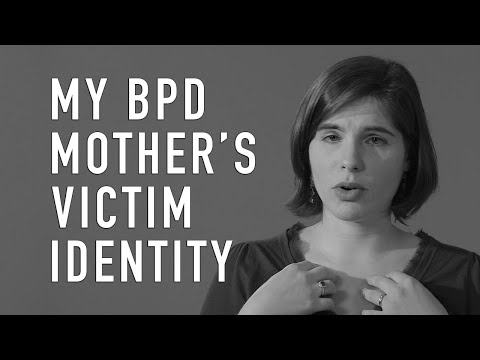
So, you know how some relationships can feel like riding a rollercoaster? With your mom, it might feel like you’re stuck on the wildest ride ever. Seriously.
Having a mother with Borderline Personality Disorder (BPD) is no walk in the park. One moment she’s all warm and loving, and the next it feels like an avalanche of emotions. It’s intense, right?
You might find yourself walking on eggshells. And that’s tough! You want to connect, but it feels like there are these huge walls in between sometimes.
Trust me, you’re not alone in this. There are tons of people just trying to figure it out too. Let’s chat about what it’s like and how you can navigate this unique journey with her by your side—or maybe not so much at times!
Navigating Life with a Mother Who Has Borderline Personality Disorder: Practical Steps and Support Strategies
Living with a mom who has Borderline Personality Disorder (BPD) can feel like riding a rollercoaster—sometimes thrilling, often confusing, and occasionally terrifying. You might face a whirlwind of emotions that change faster than you can keep up. But hang on! There are practical steps and support strategies that can help you navigate this challenging situation.
Understanding BPD is key. This disorder is marked by intense emotions, unstable relationships, and a poor self-image. Your mom might swing from loving to angry in the blink of an eye, which can leave you feeling like you’re constantly walking on eggshells. Seriously, it’s exhausting.
So what can you do? Here are some ideas:
- Educate Yourself: Learn about BPD. Books, articles, and reputable online resources can help you grasp what your mom is going through. The more you know, the easier it becomes to understand her behavior.
- Set Boundaries: This one’s huge! Establish clear boundaries regarding what behaviors are acceptable and which aren’t. For example, if she gets loud during arguments, let her know you need to step away until things calm down.
- Practice Self-Care: It’s not all about your mom—your mental health matters too! Make time for activities that recharge you. Whether it’s hanging out with friends or indulging in a hobby, self-care helps maintain your balance.
- Use «I» Statements: When discussing feelings or concerns with your mom, use «I» statements to express yourself without blaming her. For instance, saying “I feel hurt when…” rather than “You always make me feel…” keeps the focus on your experience instead of throwing accusations.
- Seek Support: Talk to someone who understands—be it friends or a therapist. Sharing experiences with others who have similar backgrounds can really lighten the load.
- Avoid Triggers: Identify situations that trigger intense reactions in your mom (like specific topics or times). If possible, steer clear of those topics during tougher times.
- Praise Positive Behavior: When she handles situations well or shows understanding, let her know! Positive reinforcement can encourage more of that behavior in the future.
- Acknowledge Your Feelings: Recognize that it’s okay to feel mixed emotions about living with someone who has BPD. You’re allowed to feel hurt or frustrated; those feelings are valid!
It’s normal for moments of tension to arise—accepting this reality could lessen frustration down the line. Remember how difficult this is for both of you; some days will be worse than others.
Let me share an example: Imagine it’s Sunday dinner time at home. Your mom might start off cheerful but suddenly snap if something goes wrong—a misplaced dessert or an offhand comment about her mood swings could trigger an emotional outburst. It feels shocking seeing her switch so quickly like that.
In moments like these, sticking to those boundaries while remaining calm is crucial—even if it’s tempting just to match her energy level or give up entirely.
Navigating life with a mother who has BPD isn’t easy—you’ll encounter ups and downs along the way—but remember: there are steps and strategies available for support both for her and yourself! Embrace patience and compassion as guiding lights through this often-stormy journey.
With persistence and understanding on both sides, it may just lead not only towards better communication but also create pathways towards healing—for both of you!
Understanding the Impact of a BPD Mother on Her Child: Emotional Effects and Coping Strategies
Navigating life with a mother who has Borderline Personality Disorder (BPD) can be a real rollercoaster ride. You might feel like you’re constantly walking on eggshells, never really sure what mood she’ll be in. This emotional unpredictability can be tough to handle for kids and even adults.
When you grow up with a mom who has BPD, the emotional effects can be profound. Often, children of mothers with this disorder experience feelings of insecurity and confusion. One moment things seem fine, and then out of nowhere, there might be an explosion of anger or tears. It’s like trying to play a game where the rules change every five minutes—exhausting, right?
Here are some key points about those emotional effects:
- Low Self-Esteem: You might find yourself doubting your worth or feeling unlovable because of the constant emotional ups and downs.
- Anxiety: With so much unpredictability at home, living in a heightened state of alertness becomes the norm.
- Guilt: You may feel guilty about how your mom is feeling or even think you’re responsible for her moods.
- Difficult Relationships: Trust issues could crop up later in life because forming stable connections becomes tricky.
So yeah, it’s a lot to carry around.
But it’s not all doom and gloom! There are coping strategies that can help you deal with this situation. Connecting with others who understand—even if that means therapy or support groups—can do wonders. Having someone else validate your experiences makes all the difference.
Here are some coping strategies that could help:
- Establish Boundaries: It’s okay to say “no” sometimes and prioritize your own well-being.
- Pursue Self-Care: Engage in activities that bring you joy or tranquility—whether that’s painting, running, or just binge-watching your favorite show.
- Meditation and Mindfulness: These practices can ground you when emotions spiral out of control.
- Create a Support System: Talk to friends or family members who get it; having people to confide in is crucial.
An example might help here: Imagine you’re at school and get anxious over something trivial, like forgetting your homework. That anxiety is intensified by the chaotic environment at home; suddenly it feels overwhelming. But then maybe your friend invites you over for some ice cream and laughs—you find relief just from connecting with someone who understands what you’re going through.
Living with a borderline personality mother isn’t easy. But understanding **the emotional impact** on yourself can open doors to healing. Taking little steps towards finding support and establishing healthy boundaries can help create more stability in your life. Remember: it’s totally okay to prioritize yourself!
Understanding the Love of BPD Mothers: A Deep Dive into Maternal Bonds and Emotional Challenges
Understanding the love of a mother with Borderline Personality Disorder (BPD) can be really complex. If you’re navigating life with a BPD mom, you might feel a mix of love, confusion, and sometimes pain. This emotional rollercoaster isn’t easy. Let’s break it down.
BPD and Maternal Bonds
Moms with BPD often exhibit intense emotions and unstable relationships. You might notice that their love feels so strong one moment but suddenly shifts to anger or distance the next. This can make you feel like you’re walking on eggshells, always trying to manage their feelings while figuring out your own.
- Intense Attachment: Children of BPD mothers may experience what’s called “idealization.” They’re placed on a pedestal during good times, making you feel adored and special. But when things go wrong, that admiration can quickly turn into devaluation.
- Emotional Turbulence: One moment, your mom might be showering you with affection. The next, she could be upset over something small. This unpredictability can leave you feeling anxious about how to interact with her.
- Fear of Abandonment: A lot of BPD moms have their own fears about being abandoned. This fear might lead them to cling tightly to their kids or even act out in ways that push you away—it’s like this crazy cycle.
The Impact on You
Growing up with a BPD mom means your emotional health may take some hits. For example, many people raised by moms with BPD struggle with anxiety or issues around trust and self-worth.
You may find yourself constantly questioning if you’re enough or if you’ve done something wrong whenever there’s conflict at home. It’s not uncommon for these feelings to carry into adulthood; relationships often feel fraught because of the things you’ve learned growing up.
Navigating Relationships
If you’re an adult now, maybe you’re grappling with intimacy issues or anxiety in relationships as a result of those childhood experiences. It’s hard not to carry those fears forward when you’ve grown up feeling like love was conditional.
That said, many people manage to find healing through therapy or support groups tailored for children of parents who have personality disorders. It helps break the cycle and understand that your mom’s behavior isn’t actually about your worth—rather it reflects her emotional struggles.
Anecdote Moment
I once chatted with someone who described their relationship with their mother as “a twisted fairytale.” She felt like she was the shining star one day but turned into the villain by nightfall! That’s how fickle love from a BPD mom can seem at times: dazzling yet dangerously unpredictable.
So if you’re figuring out how to cope while still trying to maintain that fragile bond with your mother, you’ll want some strategies in place:
- Create Boundaries: Learning to set personal boundaries is crucial in these kinds of relationships.
- Sustain Your Emotional Health: Prioritize self-care activities that ground you when things get tough.
- Seek Support: Leaning on friends or joining support groups can help—you aren’t alone!
In short, understanding and navigating the complexities of loving a mother with BPD involves patience and compassion—for both her and yourself. It’s okay to honor both your feelings while recognizing her struggles too; it’s all part of this intricate dance we call family life!
Growing up with a mom who has borderline personality disorder (BPD) can feel like riding an emotional rollercoaster. I mean, one minute you’re having fun, and the next, it’s like everything’s changed, and you’re left feeling anxious and confused. I remember this time when we were planning a family trip. My mom was super excited, making all these huge plans. But then, out of nowhere, she flipped and started yelling about how nobody appreciated her efforts. It was mind-boggling.
When someone has BPD, their emotions can be like a storm on fast forward. It might seem like she loves you fiercely one second but then feels abandoned or hurt the next, leaving you feeling like you’re walking on eggshells. You try to figure things out—what mood is she in today? Will it be smiles or will it be tears? Honestly, it takes a lot of energy.
Intense friendships come with the territory too. Ever had that moment when you feel utterly connected to someone one day and so distant the next? That’s what it can be like with your mom sometimes! You can’t always predict how she’ll react to simple things, which can really make communication tricky. I found myself often just saying what I thought would keep things calm instead of what I really felt.
And let me tell ya—boundaries are essential in situations like this. Learning to say “no” when needed or stepping back from emotional chaos wasn’t easy at all. There were days I’d feel guilty for just wanting a space to breathe, as if wanting peace was somehow bad.
It’s not all doom and gloom though! There’s beauty in those unpredictable moments too. When she does have a good day—when laughter fills the air—that joy feels amplified because you’ve been through the storms together. In some weird way, navigating those ups and downs has made me more resilient.
Connecting with others who get it can also help immensely; finding people who understand BPD means you don’t have to explain yourself every time. They just know how complex feelings around that relationship can be.
So yeah, living with a mom who has BPD isn’t straightforward by any means—it’s messy and emotional. But it teaches you compassion—for yourself and for others battling their own inner storms too. And even through all the chaos? You learn love’s many faces, finding strength in vulnerability along the way.