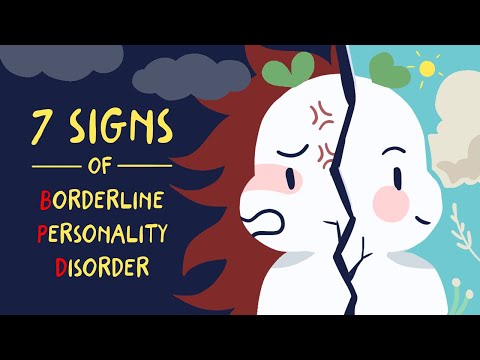
So, let’s chat a bit about something kinda heavy but super important: borderline sociopathy.
You might be wondering, what even is that? Well, it’s not the easiest thing to pin down. The symptoms can be all over the place, and sometimes they sneak up on you when you least expect it.
Have you ever noticed someone who seems charming one minute and totally unpredictable the next? That can be a clue. It’s wild how emotions and behaviors can mix together like a cocktail, leaving you feeling dizzy and confused.
Really, understanding the signs is key if someone in your life is struggling with this. It’s not just about them—it’s about you too. You deserve to know what’s going on!
So, hang tight as we unpack this together. You’ll get insights that might just change how you see things!
Exploring Late-Onset Sociopathy: Can Someone Develop Sociopathic Traits in Adulthood?
So, let’s talk about late-onset sociopathy. You might be wondering if someone can actually develop those traits in adulthood, and the answer’s a bit tricky. First off, sociopathy, often linked to something called antisocial personality disorder (ASPD), is usually seen in people who have been displaying certain behaviors since they were younger. But that doesn’t mean it’s impossible for traits to appear later in life.
What does this mean? Well, here’s the thing: sociopathy isn’t like flipping a switch. It’s more like building a house that starts with a shaky foundation. If someone didn’t show symptoms as a kid or teen but suddenly develops them as an adult, it can be confusing. This doesn’t mean they are full-blown sociopaths but might show some tendencies that align with the condition.
Now, you might ask how late-onset traits can emerge. Life events play a huge role. Major stressors like loss of a loved one, severe trauma, or even prolonged isolation can change how we relate to others and cope with our emotions. It’s kind of like your brain rewiring itself in response to everything happening around you.
Here are some key points about recognizing these late-onset sociopathic traits:
- Emotional Detachment: You might notice an increasing inability to connect with people emotionally or feel empathy.
- Impulsivity: Making spur-of-the-moment decisions without considering the consequences could become more frequent.
- Lying and Manipulation: Some folks may start lying more often or trying to manipulate others for personal gain.
- Lack of Remorse: A growing indifference towards hurting others’ feelings—kind of brushing it off as no big deal—can signal something troubling.
Let me share an example. Imagine you have a friend named Sam who always seemed kind-hearted and considerate throughout high school and college. Fast forward ten years: after losing their job and going through a tough breakup, Sam starts acting different—like they’re detached from everything going on around them and don’t care about other people’s feelings anymore. It’s alarming, right?
But keep in mind that changes in behavior don’t automatically scream “sociopath!” Sometimes what looks like sociopathic tendences can just be responses to life’s heavy punches—like coping mechanisms turning unhealthy due to stress.
Basically, while late-onset sociopathy isn’t common or straightforward to diagnose, those deteriorating personality traits deserve genuine attention. You can’t just brush aside sudden changes in behavior; understanding where they’re coming from can make all the difference in helping your loved ones find their way back to healthier emotional connections.
Understanding the Traits: Key Characteristics of Borderline Sociopathy
Borderline sociopathy, or what some folks call «borderline personality disorder» with sociopathic tendencies, is a complex condition. And yeah, it can get a little tricky to unpack. So let’s break it down together.
First off, people with borderline sociopathy often struggle with intense emotions. You might notice they swing between highs and lows really quickly. One minute they’re feeling super happy and connected to others, and the next they could be deeply lonely or angry. It’s like riding a roller coaster without any safety harness —really unsettling.
Another big trait is impulsivity. This might show up in risky behaviors like spending sprees, substance abuse, or even reckless driving. So if you see someone making snap decisions that seem out of character, that’s a red flag. They might not think through the consequences before they leap.
Now let’s talk about their relationships—yikes! People with these traits often have unstable connections with others. They want to be close but then push people away when things get tough. You might hear them say things like “I can’t stand you!” one moment and then beg for forgiveness the next. That kind of emotional whiplash can be exhausting for everyone involved.
Some individuals may also have a tendency toward manipulation. It’s kind of their way of coping or getting what they need in life without realizing how much it affects others. They might guilt-trip friends into doing things or play the victim card to get sympathy.
A lot of times, there’s a fear of abandonment at play here too. Even if someone seemingly doesn’t care about relationships, at their core, they’re terrified of being left alone. Imagine feeling like you’re always one step away from being abandoned—that’s tough!
To wrap this up succinctly:
- Emotional instability: Rapid mood swings.
- Impulsivity: Engaging in risky behaviors.
- Unstable relationships: Highs and lows in personal connections.
- Manipulation: Using others to meet needs.
- Fear of abandonment: Deep-seated anxiety about being left alone.
Understanding these traits can help you recognize when someone might be struggling with borderline sociopathy but remember that it’s important not to jump to conclusions without proper evaluation from mental health professionals!
Understanding the Differences: Am I a Psychopath or Sociopath? Key Signs to Recognize
You know, when people talk about psychopaths and sociopaths, it can get a bit confusing. Like, they sound similar, but there are some pretty important differences between the two. Let’s break it down in a way that makes sense.
Psychopaths usually seem super charming on the outside. They can be really good at blending in, often coming off as manipulative and calculating. If you’ve ever met someone who could just turn on the charisma like a light switch? Yeah, that’s kind of what we’re talking about here. They often lack empathy and emotional connection with others, which makes it easier for them to hurt people without feeling bad about it.
On the flip side, sociopaths tend to be more erratic and impulsive. While they can also be manipulative, their emotional responses are more visible. They might have outbursts of anger or frustration that make their behavior seem less controlled. If you’re thinking about someone who often finds themselves in trouble or is constantly having to face the consequences of their actions? That could be a sign of sociopathy.
So how do you spot these differences? Here are some key points:
- Emotional connection: Psychopaths have trouble forming genuine relationships; sociopaths might develop closer ties but still struggle with stability.
- Impulsivity: Sociopaths often act on impulse; psychopaths plan out their schemes meticulously.
- Lies and manipulation: Both can lie easily, but psychopaths do so more artfully—like it’s a game.
- Criminal behavior: Sociopaths may get arrested more often due to their rash behavior; psychopaths might avoid detection altogether.
- Treatment response: Socipaths may show some ability to change with therapy; psychopaths typically don’t respond well to treatment at all.
I remember chatting with a friend once who’d just broken up with someone she thought was perfect at first. He was charming and witty one moment and then completely detached the next. When she later found out he had been lying about significant things in his life? It hit her hard! She realized he didn’t care how his actions affected her feelings, which is classic psychopathy — smooth on the surface but no real depth underneath.
Just because someone shows signs doesn’t mean they fit neatly into one box or another. People have layers! Some traits can overlap between psychopathy and sociopathy too! It’s essential to approach this topic with an open mind while keeping your eyes peeled for those behaviors that stand out.
If you’re ever worried about your own emotions or actions reflecting these signs—or if someone close to you does—it might be worth chatting with a mental health professional. They’re trained to help navigate this stuff without judgment, focusing instead on support and understanding.
You know, recognizing symptoms of borderline sociopathy can be a bit tricky. It’s like trying to find a needle in a haystack. Seriously, people often confuse it with other conditions, and that just complicates things more. Take my friend Jamie, for instance. They had this friend who seemed charming and fun at first but then showed some really concerning behaviors that left everyone scratching their heads.
Borderline sociopathy—or what’s more formally known as antisocial personality disorder—comes with a whole bunch of signs that can be pretty alarming. You might notice things like having difficulty forming genuine emotional connections or showing a lack of empathy for others. It’s not just about being a jerk; it’s deeper than that. There’s often this undercurrent of impulsivity that can lead to risky behavior, like making hasty decisions without thinking them through.
So, when Jamie’s friend started getting into trouble—lying about small things or pulling pranks that crossed the line into harmful territory—it was hard not to feel concerned. You start wondering: Is this just immaturity? Or something more serious? It’s tough because at times they can be absolutely engaging and even charismatic.
Another common symptom is the tendency to feel bored easily or needing constant stimulation. You might catch someone like this jumping from one thrill-seeking activity to another without considering the consequences. That was definitely true with Jamie’s friend; they always needed something wild to keep themselves entertained.
Recognizing these patterns in behavior is super important, because understanding them helps us approach mental health with compassion rather than judgment. It doesn’t mean you have to tolerate harmful behavior, but knowing what’s behind it allows for better responses—not just from you but for those affected by the actions too.
Reflecting on these experiences often shines light on how crucial our support systems are, right? We all want friends who care and lift us up, not tear us down or play emotional games. So keeping an eye out for these signs not only protects you but could also lead someone struggling toward getting help one day—even if it’s a small step in the right direction. That’s pretty powerful when you think about it!