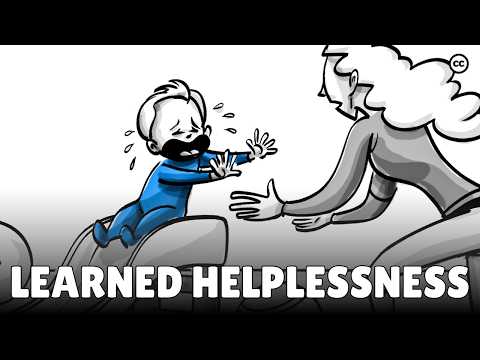
You know that feeling when you’re stuck in a rut, and no matter what you do, things just don’t seem to change? It’s like being on a merry-go-round that won’t stop, no matter how hard you try to hop off.
Well, that’s kind of what learned helplessness feels like. And guess what? It often shows up hand-in-hand with depression.
When we’re caught in this loop, it can be tough to see a way out. You might even wonder if there’s something wrong with you. Spoiler alert: there isn’t!
So let’s chat about these two experiences and how they overlap. Because understanding this could really help lift that heavy weight off your shoulders.
Exploring the Link Between Learned Helplessness and Depression: Understanding the Impact on Mental Health
Ever felt like no matter what you do, you just can’t catch a break? That feeling is pretty common, and it’s tied to something called learned helplessness. Basically, it’s when you believe that your actions don’t have an effect on your life. This mindset can seriously mess with your mental health, particularly leading to depression.
Learned helplessness comes from scenarios where you’ve tried and failed enough times that you start to think, “Why even bother?” Imagine a dog that’s been shocked whenever it tries to escape a cage. Even when the door is open, it just lies there, convinced it can’t get out. It stops trying because its past experiences taught it that effort doesn’t matter. Now, think about how this applies to us.
People experiencing learned helplessness often feel stuck in their situations. They might struggle with depression because they believe their situation is unchangeable. This feeling can lead to:
- Lack of motivation: You know those days where just getting out of bed feels impossible? That’s what I’m talking about.
- Negative thinking: When you’re stuck in a cycle of self-doubt and pessimism, everything feels heavier.
- Avoidance behavior: You might skip plans or stop doing things you used to love because “what’s the point?”
The link between these two concepts isn’t just theoretical; it’s backed by research. Studies have shown that people who feel they have no control often develop symptoms of depression over time. It’s like a vicious cycle—feeling helpless leads to feeling down, which can further reinforce those feelings of helplessness.
You might be wondering how this plays out in real life. Picture someone who struggled in school and always bombed tests despite studying hard. Over time, they might give up on studying altogether because they believe it won’t help them anyway. Now they’re avoiding school or feeling anxious about classes—classic signs of both learned helplessness and depression.
The thing is, breaking this cycle isn’t easy but definitely possible. Therapy often focuses on helping people regain a sense of control over their lives—kind of like teaching someone how to open that cage door again so they realize they weren’t really trapped after all.
If you’ve ever felt caught in this trap or watched someone else go through it, you understand the struggle all too well. Recognizing these patterns is the first step toward making changes—and sometimes just talking about it can make a huge difference!
So next time you’re feeling defeated or stuck, remember that it’s okay to reach out for help—because together we can find ways to break free from those chains of learned helplessness and depression.
Exploring the Connection: Shared Emotions Between Learned Helplessness and Depression
Understanding the connection between learned helplessness and depression is pretty fascinating, to be honest. A lot of us have probably felt stuck at some point in our lives. You know, like when nothing seems to go your way, and you start thinking there’s no point in trying. Well, that feeling can tie back to two important concepts in mental health: learned helplessness and depression.
Learned helplessness is a psychological state where a person feels unable to control or change their circumstances. It often comes from repeated experiences where you try hard but keep failing—think of it like getting knocked down so many times that you just stop trying to get up. It’s that «why bother?» mentality that can creep into your life if challenges continuously seem insurmountable.
Now, this connects closely with depression. When you’re feeling depressed, everything can feel overwhelming and hopeless. You might lose interest in things you once loved or feel persistently sad. Basically, both learned helplessness and depression create a cycle that can be tough to break out of.
So here’s the thing: people who experience learned helplessness often show traits similar to those seen in depression. Here are some connections:
- Hopelessness: Both conditions share this feeling that things will never get better.
- Apathy: When someone feels helpless, they may lose motivation—just like with depression.
- Withdrawal: People struggling with either condition may start avoiding social situations; it’s easier than facing more disappointment.
- Negative self-talk: In both scenarios, you might catch yourself saying stuff like “I’m not good enough” or “Nothing ever works out for me.”
- Cognitive distortions: You know those thoughts that play tricks on your mind? Well, they’re common in both learned helplessness and depression.
Here’s a little anecdote to paint a fuller picture. Imagine Sarah—she’s super talented but keeps getting denied jobs after interviews despite her efforts. Over time, she starts to believe it’s just impossible for her to succeed anywhere. This mindset doesn’t just make her feel defeated; it also drags her mood down into the dumps as she spirals into sadness and disconnection from her friends.
So basically, what happens is these shared traits make it hard for someone caught between learned helplessness and depression to find their way out without help—or even see any possibility of change at all! It becomes kind of a vicious loop—a complex web of emotions and thoughts that reinforce each other.
The good news? Therapy approaches targeting these feelings can help pull someone out from this foggy place! Cognitive-behavioral therapy (CBT), for example, is great because it helps you challenge those negative thoughts and teaches coping strategies.
In short, while learned helplessness and depression aren’t exactly the same thing, they sure do share some emotional similarities that can lead people down a difficult path together. But understanding them—and recognizing when we’re stuck—can be a crucial first step toward healing.
Understanding Attributions: How They Contribute to Learned Helplessness and Depression
Understanding attributions is like peeling back the layers of how we think about ourselves and our world. So, it connects to learned helplessness and depression in pretty profound ways. Let’s break this down.
Attributions are basically how we explain events in our lives. Think of them as the stories you tell yourself about what happens to you. When things go wrong, some people might say, “I messed up because I’m not good enough.” Others might think, “That was just a one-time fluke.” These explanations can shape how you feel and cope with challenges.
When someone develops learned helplessness, they often make negative attributions. They might believe that their failures are due to personal flaws or that they have no control over their situation. For instance:
You fail a test—You think, «I’ll never be smart enough.» This thought reinforces the idea that you can’t change outcomes.
This pattern doesn’t just stop at academic setbacks; it can spiral into various areas of life. If you constantly see situations as unchangeable, over time, it can lead to feelings of powerlessness—like you’re stuck in a rut.
Now let’s tie this into depression. People with depression often adopt pessimistic attribution styles too. They might believe negative events reflect something permanent about themselves, like:
- «I always mess things up» (global attribution)
- «I’ll never get a job» (permanent attribution)
- «It’s my fault my relationships fail» (personal attribution)
When these beliefs take root, it leads to chronic feelings of sadness and hopelessness.
So why does this happen? Well, when you face repeated failures or disappointments without seeing any way out, your brain starts wiring itself to accept this as normal. It’s like getting stuck in a loop where every event reinforces your feeling of inadequacy.
Imagine someone who tries hard but keeps facing rejection in job interviews. Each failure chips away at their confidence. They start thinking they’re just not cut out for success. This leads them to give up trying altogether!
In gentle terms—you could say this is like a cognitive trap that people get caught in—it feels sticky and dark, making it hard to see any light ahead.
It’s important to know that changing these patterns is possible! Therapy approaches like Cognitive Behavioral Therapy (CBT) really focus on shifting those unhelpful thoughts so people can see things differently and engage more positively with their lives again.
By learning healthier ways to attribute events—like seeing failures as temporary setbacks instead of fixed truths—you can break free from learned helplessness and push back against depression symptoms.
So yeah, understanding attributions isn’t just some fancy academic concept; it’s key to feeling better when life throws its curveballs at us!
You know, it’s interesting how some experiences just seem to stick with us, right? I remember a time when a good friend of mine was going through a rough patch. Like, no matter what she tried, she felt trapped in this cycle of negativity. It was tough to watch, honestly. She had this sort of weight pulling her down, and even small things felt overwhelming. That got me thinking about how closely related learned helplessness and depression can be.
So let’s break it down a bit. Learned helplessness is that feeling you get when you believe you have no control over what happens to you. Think about a dog that keeps getting zapped with an electric fence. After enough times, it’ll stop trying to escape—even when the fence goes away. It’s kind of heartbreaking! When people experience repeated failures or stressors and think they can’t change their circumstances, they can end up feeling powerless—just like my friend.
Now tie that to depression: it’s like the two are dancing together in a really sad waltz. Depression often brings that sense of hopelessness too—you feel stuck and like nothing will ever get better. You start believing that your efforts won’t lead to any positive changes, which then makes everything feel even heavier.
It’s all connected; they reinforce each other in ways that make it hard to break free from the cycle. So as I watched my friend struggle, I could see how her belief that nothing would improve fed into her feelings of sadness and worthlessness. There were days she couldn’t even get out of bed because everything felt so pointless.
But here’s where it gets hopeful: recognizing these patterns is the first step toward change! Understanding that learned helplessness isn’t an unchangeable truth can help people start taking small steps forward again. Even tiny successes can chip away at those feelings of powerlessness and spark a little hope back into their lives.
So yeah, if you’re feeling stuck in one of those heavy cycles or know someone who is, just remember: it’s okay to ask for help or talk things out. Sometimes just shining a little light on these feelings makes all the difference!