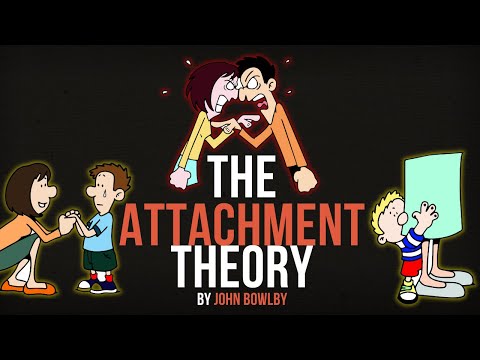
You know how sometimes you click with someone right off the bat, like you just get each other? Or, on the flip side, there are those connections that feel all twisted and complicated? Well, that’s kinda what attachment theory is about.
John Bowlby and Mary Ainsworth were two folks who explored why we connect the way we do. They looked at how our early relationships shape us. It’s wild to think about how those first bonds can seriously impact our mental health later on.
So, whether you’re chillin’ with your buddies or trying to understand why you struggle in relationships, attachment theory has some cool insights to offer. Let’s chat about it!
Understanding Bowlby’s Attachment Theory: The 4 Key Elements Explained
Let’s talk about Bowlby’s Attachment Theory. It’s a big deal in understanding how we connect with others, especially in our early years. Basically, Bowlby believed that the bonds we form with caregivers when we’re little shape how we relate to people throughout our lives. Here are some key elements of his theory.
1. Secure Base: This is all about having a reliable figure you can trust, like a parent or guardian. When you’re secure, you feel safe to explore the world but know there’s someone to return to for comfort and support. Imagine being a kid at the playground; if your mom’s watching from a bench, you’re more likely to run off and try new things because you know she’s there if you need her.
2. Proximity Maintenance: This refers to wanting to stay close to those who provide safety. Think of it like this: when toddlers get scared or uncertain—like during a thunderstorm—they often seek out their parents for comfort. It’s instinctive! They just want that reassurance.
3. Safe Haven: When life gets tough or scary, we all need a place we can go where we feel safe and protected. For kids, this could be climbing into their parent’s lap after falling down or being upset about something at school. The parent becomes that ‘safe haven’ where the child can regroup and feel better before heading out again.
4. Separation Distress: This one hits home hard for lots of kids (and even adults). When someone they’re attached to is gone—like when a parent drops them off at daycare—they might cry or feel anxious. It shows just how important those attachments are; when they’re disrupted, it can trigger feelings of distress and anxiety.
So what does all this mean for mental health? Well, if those early attachments are strong and healthy, kids tend to grow into adults who form stable relationships and cope better with stressors in life. On the flip side, insecure attachments might lead to challenges like anxiety or difficulties in relationships later on.
You see how Bowlby’s ideas give us insight into our emotional lives? It really highlights why nurturing those connections is super vital right from the start!
Understanding Attachment Theory: Key Insights from Ainsworth and Bowlby
Attachment theory is like this fascinating map of how we connect with others. It all started with John Bowlby, who believed that the bonds we form early in life shape our relationships and mental health later on. Bowlby thought that kids are wired to seek closeness with their caregivers because it boosts their chances of survival. That’s a big deal, right?
Then came Mary Ainsworth, who took Bowlby’s ideas further. She conducted some serious research, especially her famous «Strange Situation» experiment. Basically, she observed how babies reacted when their moms left them alone and then returned. The outcomes? Well, they revealed different attachment styles that can stick with us for life.
- Secure Attachment: Babies with this style felt safe to explore their environment when their caregivers were around. When the mom left, they got upset but were comforted easily upon her return.
- Avoidant Attachment: These kiddos tended to avoid or ignore their moms after being reunited. They didn’t protest much when the caregiver left, showing a sense of independence that might seem cool but often masks deeper feelings of discomfort.
- Anxious Attachment: Here’s where it gets a bit messy. Kids showed anxiety even before separation and were clingy. They had a lot of trouble soothing themselves when reunited with their caregiver.
Understanding these styles can be super helpful in grasping how people approach relationships as adults. For example, someone with a secure attachment usually has healthy self-esteem and strong communication skills in relationships. Meanwhile, those with anxious or avoidant styles might struggle more.
Let’s say you’re someone who grew up feeling ignored (think avoidant attachment). You might find it tough to open up in relationships or fear getting too close because you’re worried about being let down again. On the flip side, if you’re anxiously attached, you may have a tendency to overthink things—like always worrying if your partner still loves you.
The real kicker? This stuff doesn’t just vanish as we grow up! Attachment styles often show up in therapy sessions, where clients re-explore their childhood connections and how those influenced current emotional patterns.
So basically, by looking at Bowlby and Ainsworth’s work on attachment theory, you get some key insights into relationships: why we act the way we do around loved ones and how those early bonds impact our mental health today. It’s like having a personal roadmap guiding us through our emotional lives!
Understanding Ainsworth’s Attachment Theory: A Simple Guide to Child Psychology
Sure! Let’s unpack Ainsworth’s Attachment Theory in a way that feels friendly and straightforward.
Attachment Theory is really about the bonds we form, especially during childhood. This stuff was all fleshed out by John Bowlby and Mary Ainsworth. Basically, Bowlby kicked things off, saying that kids need a secure base to explore the world around them. Ainsworth took it further and figured out how different attachment styles can affect us later in life.
Ainsworth did this cool study called the “Strange Situation.” In it, she observed how babies reacted when their moms left and then returned to the room. The results were eye-opening! She identified three main attachment styles:
- Secure Attachment: These kiddos are comfy with closeness and trust their caregivers. When mom leaves, they might get upset but are easily comforted once she returns.
- Avoidant Attachment: Kids with this style tend to keep their distance from parents. They might seem indifferent when mom leaves or comes back—it’s like they’ve learned not to rely on others.
- Anxious Attachment: These little ones often cling to their caregivers and can get super anxious when they’re apart. When reunited, they might seek comfort but also show anger or frustration.
So, what’s the big deal? Well, these early experiences shape how we relate to people later on in life—like in friendships or romantic relationships! For instance, if you had a secure attachment as a child, you might find it easier to trust others as an adult.
Let me give you an example: think about a friend named Alex who grew up feeling confident that his parents would always be there for him. Fast forward years later—he’s now in a happy relationship where he feels safe expressing his feelings. That’s because of his secure attachment style!
On the other hand, imagine someone like Jamie who might have had avoidant attachment growing up. Jamie struggles with emotional intimacy and often backs away when things get serious in relationships. It can feel tough for her because sometimes she wants closeness but doesn’t know how to ask for it.
It’s important to realize that while these attachment styles start in childhood, they can change over time through therapy or supportive relationships—so there’s always hope!
In short, Ainsworth’s work gives us insight into why we behave the way we do with others and how those early connections leave lasting imprints on our emotional health as adults. Plus it’s not all doom and gloom; understanding this stuff can lead to growth and improvement in our relationships!
Attachment Theory isn’t just academic mumbo jumbo; it has real-life implications for mental health too! So next time you’re navigating your own relationships or helping someone else, remember those early experiences matter more than we often think.
Alright, let’s chat about Bowlby and Ainsworth’s Attachment Theory. You know, this whole idea got me thinking about how much our early relationships shape who we become. It’s pretty wild when you really think about it.
So, John Bowlby kicked off this theory with the notion that the bonds formed with caregivers in childhood lay the groundwork for our emotional health later on. Like, if you had a dependable parent or guardian who was there when you were upset or scared, chances are you grew up feeling secure in relationships. That security? It can make life feel a bit easier—like you’ve got someone in your corner no matter what.
Then there’s Mary Ainsworth, who took Bowlby’s ideas and added her own twist with the «Strange Situation» experiment. Seriously, it was kind of eye-opening. She looked at how kids reacted when their mom left the room and then came back. Some kids were all chill and cuddly after being apart (that indicates secure attachment), while others flipped out because they just didn’t know what to expect from their caretaker—talk about anxiety!
I remember a friend sharing how her childhood experiences shaped her adult relationships. Her mom was super loving but also… well, sometimes she’d disappear into her own world for days. My friend often felt anxious in friendships, always waiting for that inevitable ‘disappearing act.’ It made so much sense when we discussed attachment styles; she just needed that reassurance that someone wouldn’t bail on her.
Now think about adults wrestling with anxiety or depression—sometimes their attachment history can play a role there too. If they’re stuck in an insecure attachment style, it might make trusting others or even accepting love feel like climbing a mountain without gear.
But here’s where it gets real: understanding these styles doesn’t just stay stuck in theory land; it opens doors for real change! Therapy can help folks rework those old patterns and build healthier relationships, which sounds incredibly hopeful to me.
In short, knowing about Bowlby and Ainsworth can feel like flipping through your personal playbook of life. Your early interactions might not define everything about you—but they sure cast a long shadow! So yeah, reflecting on this stuff made me realize how intertwined our beginnings are with our mental health journeys—kind of profound if you ask me!