Panic attacks can feel like a rollercoaster, right? One moment, you’re fine, and the next, boom—your heart’s racing, and you can’t breathe. Ugh, it’s the worst.
But guess what? There are ways to ride out that wave. You know those moments when everything feels out of control? That’s when box breathing can come to your rescue.
It’s super simple and can really help you regain your calm. Like a little reset button in your brain!
So, let’s chat about how this breathing thing works and how it can be a game-changer when panic starts creeping in. Seriously, you don’t want to miss this!
Mastering Box Breathing: A Powerful Technique to Alleviate Panic Attacks
Box breathing is a simple yet effective technique that can be a game-changer when it comes to managing panic attacks. You know those moments when your heart feels like it’s racing, and you just can’t seem to catch your breath? That’s where this method comes in handy. It’s all about rhythm and control, helping you regain your calm.
So, what exactly is box breathing? Well, it’s a technique that involves four simple steps: inhaling, holding your breath, exhaling, and holding again—each for the same count of seconds. Think of it as creating a box with your breath. The idea is to focus on each part without distractions, which helps ground you in the moment.
Here’s how to do it:
- Inhale: Breathe in slowly through your nose for a count of four.
- Hold: Keep that breath held in for another count of four.
- Exhale: Let go of the air through your mouth for four seconds.
- Hold: Pause again for four seconds before taking another breath.
It sounds pretty straightforward, right? But the beauty is really in how it works. By focusing on counting and controlling your breaths, you’re actually sending signals to your brain that everything’s okay. You’re bringing yourself back down from that fight-or-flight mode where panic thrives.
Let me share a quick story here. I remember my friend Sarah during one of her worst panic attacks at work—she felt trapped in her office with no way out. Heart racing and palms sweating, she suddenly remembered the box breathing technique we’d practiced together earlier. She took a moment to tune out the chaos around her and focused on her breathing. It was like watching someone find their way out of a dark tunnel; within minutes, she was back with us, calm and composed.
If you’re new to this technique or even if you’ve tried it before without success, don’t sweat it! Like any skill worth mastering, practice makes perfect. Start slow—maybe just do one or two cycles when you’re feeling calm before trying it during times of stress. Who knows? It could become a handy tool tucked away in your mental toolkit!
The whole thing is about being kind to yourself too. Sometimes things get overwhelming quickly; that’s completely okay! Box breathing won’t cure panic attacks overnight but practicing can build resilience over time. It’s about creating habits that support emotional health.
In short,
box breathing is an effortless way to take charge when panic strikes by providing structure amid chaos. Just remember: breathe in control! With time and patience—and maybe some trial and errors—you might find yourself leaning on this technique more than you expect.
Mastering Box Breathing: Effective Techniques for Managing Panic Attacks on YouTube
Panic attacks can feel like you’re spiraling out of control, right? Your heart races, you might feel dizzy, and all you want is for it to stop. One cool technique people are finding helpful in these moments is box breathing. It’s a structured way to focus on your breath and regain control when anxiety hits.
So, what is box breathing? Picture a box. Each side represents a step in the breathing process: inhale, hold, exhale, hold. It’s simple and easy to remember. Here’s how it works:
- Inhale: Take a deep breath through your nose for a count of four.
- Hold: Keep that breath held in for another count of four.
- Exhale: Slowly breathe out through your mouth for four counts.
- Hold: Wait for another count of four before taking your next breath.
You can repeat this cycle as many times as you need to feel more grounded. It helps because it gets your mind off the panic and focuses on something physical—your breath!
I remember this one time my friend Mike had a panic attack during a big presentation. He felt the walls closing in and his heart racing. But he’d practiced box breathing before, so he closed his eyes and started counting with his breaths. In just a few cycles, he managed to calm down enough to finish his presentation. It was impressive!
This technique isn’t just about surviving the moment; it’s also about training your brain over time. When you practice regularly—like daily or whenever you’re feeling anxious—you actually teach yourself to respond differently during panic episodes later on.
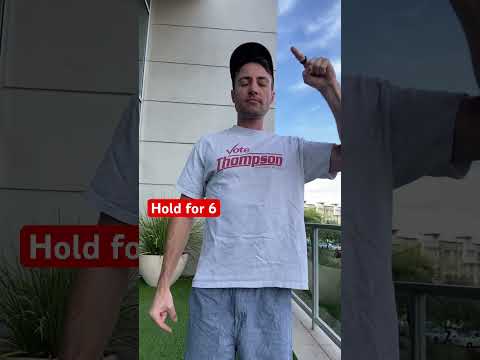
You can find tons of tutorials on YouTube that show how to do box breathing! These videos often guide you with visuals and sounds that make it even easier to follow along. Some might even include calming music or other elements to help enhance the experience.
But here’s the catch: while box breathing can be super effective, it’s not always going to solve everything by itself. Sometimes panic attacks need more than just breathing exercises—like therapy or medication—and that’s totally okay! If you find yourself struggling frequently, reaching out for support from a mental health professional can be super beneficial.
If you’re interested in diving deeper into this, try looking up videos focused specifically on box breathing techniques for anxiety management—they can provide different angles and tips that’ll suit your unique style better!
In summary, mastering box breathing involves practicing controlled inhaling and exhaling patterns that help manage anxiety spikes during panic attacks. It might take some time but give it a shot—you never know when it might come in handy!
Mastering Box Breathing: A Simple Video Guide to Alleviating Panic Attacks
Box breathing is a powerful technique that can really help you when panic attacks hit. It’s simple, effective, and you don’t need any fancy equipment or a ton of time. Basically, it’s about controlling your breath in a way that calms your mind and body.
So what is it? You breathe in for four counts, hold for four counts, breathe out for four counts, and then hold that empty breath for another four counts. This cycle creates a box—hence the name “box breathing.” Sounds easy enough, right?
Here’s how you can do it:
- Find a comfortable spot: First up, sit or lie down somewhere quiet. You want to be in a space where you won’t be interrupted.
- Start Breathing: Breathe in through your nose for a count of four. Imagine filling your lungs completely.
- Hold It: Hold that breath for another count of four. This might feel tricky at first—your body might want to exhale.
- Breathe Out: Now exhale slowly through your mouth for another count of four. Feel the tension leaving your body.
- Hold Again: Finally, hold your breath again for four counts before starting the cycle over.
The thing is, this technique can be super helpful in moments when anxiety creeps up on you. I remember one night feeling totally overwhelmed with this tightness in my chest—like I couldn’t catch my breath at all. I stumbled across box breathing while searching online and thought, “Why not give it a shot?” After just a few rounds, I could feel myself relaxing and my heart rate slowing down.
It’s worth mentioning that it may take some practice before you really get the hang of it. But sticking with it can really pay off! Some folks even find it helpful to visualize each side of the box as they breathe—inhaling represents moving up one side, holding at the top is like reaching the corner, exhaling goes down the other side, and holding again completes the bottom.
If you’re still feeling unsure about using this technique during panic attacks or anxiety episodes, consider combining it with other strategies like grounding techniques or guided imagery.
In sum up: box breathing is an accessible and effective way to manage panic attacks and anxiety. So next time you’re feeling that wave coming on, just remember: inhale calmness, hold onto peace, exhale tension—and give yourself those few moments to just breathe. It can seriously make all the difference!
You know, when panic attacks hit, it feels like you’re suddenly being sucked into this weird black hole of anxiety. I remember the first time it happened to me. One moment, I was hanging out with friends, laughing and joking. Then out of nowhere, my heart started racing, my palms went sweaty, and I felt like I was going to lose control. It’s a real trip, and not the fun kind.
That’s where box breathing can come in handy. It’s a simple technique that helps ground you when everything feels chaotic inside your head. Basically, it works by focusing on your breath in a structured way—think of it like creating a little rhythm for yourself.
So here’s how it goes: you inhale for a count of four, hold your breath for another count of four, exhale for four more seconds, and then hold again for four seconds before repeating. It’s like drawing a box with your breath. And lemme tell ya, it does wonders for calming that racing heart and overwhelming feeling.
I’ve found that when I start to feel that panic creeping up again—maybe I’m stuck in traffic or waiting in line at the grocery store—taking just a minute or two to do some box breathing makes all the difference. It pulls me back from that edge.
Plus, there’s something really cool about how this technique works on multiple levels. You’re not just focusing on your breath; you’re also giving your mind something else to latch onto instead of spiraling down that anxiety rabbit hole. By concentrating on counting and breathing in this rhythmic way, you create a sort of anchor that can help keep you steady during those stormy moments.
And look—you don’t need to be sitting cross-legged on a yoga mat to do this either! You can practice box breathing anywhere; nobody even has to know you’re doing it. Sneak in some practice while waiting for your coffee or sitting at work—it can easily become part of your routine.
So give it a shot the next time you’re grappling with panic or anxiety. It might feel strange at first—like trying to remember how to ride a bike again—but trust me; over time it becomes second nature And who knows? You might find yourself feeling more relaxed and in control than ever before!