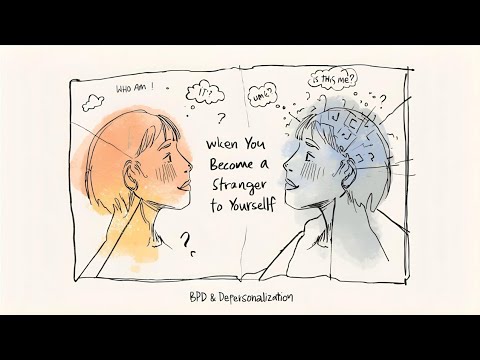
You know those days when everything feels… off? Like you’re in a movie but not quite part of it? That’s kinda what derealization is like. It’s a wild ride, honestly.
Now, throw Borderline Personality Disorder (BPD) into the mix, and you’ve got this confusing emotional landscape. Seriously, it can feel like a rollercoaster with no end in sight. Ups, downs, and then sideways!
We’re gonna chat about how these two things dance with each other—how they can twist your perception and play with your feelings. It’s not just science stuff; it’s real life. I want to share some experiences that might resonate with you or someone you know.
So buckle up; it’s gonna be an interesting journey!
Understanding Derealization in Individuals with BPD: Insights into Emotional Disturbance
Derealization can be a puzzling experience, especially for people with Borderline Personality Disorder (BPD). So, what’s the deal? Basically, derealization is that feeling when everything around you seems unreal or foggy. You might feel like you’re in a dream or watching life through a glass wall. This can be super disorienting and might make you question your reality.
Now, when it comes to BPD, which often brings along high emotional sensitivity and intense mood swings, derealization can show up during times of distress. You could be having a heated argument with someone and suddenly feel like everything’s just… not real anymore. That feeling serves as a kind of defense mechanism, almost like your brain is giving you a break from overwhelming emotions.
- High Emotional Intensity: People with BPD often experience emotions at an extreme level. Imagine being on an emotional rollercoaster where every twist and turn feels magnified.
- Stress Triggers: Situations that cause stress can lead to derealization episodes. It’s like your body says «Whoa, too much!» and pulls back.
- Sensitivity to Relationships: Relationships are complicated for folks with BPD. Feelings of abandonment or fear of losing someone special can trigger these feelings of unreality.
Take Sarah, for instance. When she got into an argument with her friend about something trivial, she felt the room start to spin. It’s not that she wanted to disengage; instead, her mind just couldn’t cope with the emotional weight of that moment. Suddenly her surroundings felt distant and surreal.
So what happens during these episodes? Well, your senses might get dulled or heightened but in weird ways—colors could seem less vibrant or sounds might echo strangely. It’s less about hallucinating and more about feeling detached from what’s happening around you.
The connection between BPD and derealization also links back to how folks handle stress. With BPD’s history of trauma or unstable relationships, the brain sometimes uses derealization as an escape hatch when things get too intense emotionally.
Therapy plays a big role here too! Dialectical Behavior Therapy (DBT), which is commonly used for people with BPD, focuses on recognizing feelings without letting them take control—it encourages mindfulness! Learning how to sit with emotions rather than running away makes a huge difference.
In summary, derealization isn’t just some random experience; it’s deeply tied into how intense feelings are processed in individuals with BPD. And while it might feel disconnected from reality at times, knowing what triggers it can empower you to manage those feelings better!
Understanding Splitting in Borderline Personality Disorder: Causes, Effects, and Coping Strategies
Understanding splitting in Borderline Personality Disorder (BPD) can feel like navigating a wild emotional rollercoaster. So, let’s break it down together.
What is Splitting?
Splitting is a defense mechanism commonly seen in people with BPD. It basically means seeing things in black-and-white terms. You might view someone as all good one moment and then all bad the next. This kind of thinking can lead to intense emotional swings. You know how sometimes, you might feel super connected to a friend, and then they do something small that ticks you off? Imagine that feeling magnified.
Causes of Splitting
Now, so where does this splitting come from? It often roots back to childhood experiences and attachment issues. If you’ve had inconsistent caregiving or relationships filled with ups and downs, your brain learns to categorize experiences as either great or terrible. In the eyes of someone with BPD, there’s no room for gray areas.
- Unstable Relationships: Constant shifts in how a person sees their relationships can lead to feelings of abandonment.
- Intense Emotions: Extreme feelings often trigger this defense; for instance, if someone feels abandoned or rejected.
- Poor Coping Skills: Lacking healthy ways to manage emotions makes individuals resort to splitting.
The Effects of Splitting
The effects can be pretty intense—like being on an emotional merry-go-round that just won’t stop spinning. Here are some key impacts:
- Relationship Issues: Friends or loved ones may feel confused by the rapid changes in perception.
- Derealization: When reality feels distorted, it can trigger feelings of numbness or disconnection.
- Self-Image Fluctuations: One moment you might feel confident; the next, completely worthless.
Let’s take a little side trip into derealization. It’s that spooky feeling when the world feels unreal or foggy, like you’re watching life from behind a glass wall. For many with BPD, derealization often tags along with those emotional spikes related to splitting.
Coping Strategies
Alright, so what do we do about this? Coping strategies are key! Here are some solid ways to manage:
- Meditation and Mindfulness: Practicing being present can help ground your thoughts and reduce those intense swings.
- Therapy: Dialectical Behavior Therapy (DBT) is particularly helpful for learning emotional regulation techniques.
- Avoid Triggers: Being aware of situations that provoke strong emotions helps prevent splits before they start.
And seriously—don’t underestimate the power of talking things out with friends or journaling your thoughts. Writing down your feelings helps process them without them spiraling out of control.
We’ve covered quite a lot about splitting within BPD here—from what it is to how it affects lives and relationships. It’s tough dealing with these complex emotions but remember: understanding is half the battle! And like any journey through mental health challenges, know you’re not alone in navigating these ups and downs.
Understanding Borderline Personality Disorder: Personal Experiences and Insights
Borderline Personality Disorder, or BPD for short, is this complex mental health condition that can make life feel like a rollercoaster. If you or someone you know is dealing with BPD, it’s crucial to grasp the emotional waves that come along with it. One of those tricky experiences can be derealization, where the world feels distant or surreal.
Now, let’s break that down a bit. Derealization isn’t just a fancy term; it’s like when your brain decides to take a little vacation while your body is still here. Everything around you might feel foggy or unreal. For someone with BPD, this can happen during periods of intense emotional distress. It’s like your brain’s way of saying, “Whoa, this is too much!”
Imagine having an argument with a friend and feeling so overwhelmed that suddenly their face looks blurry and the sounds feel muted. That feeling hangs heavy in the air, doesn’t it? You’re there physically but emotionally? It feels like you’re watching from behind a glass wall.
- Emotional Intensity: People with BPD often experience strong emotions; they can swing from joy to despair in no time. This sensitivity can trigger feelings of derealization when things get too heated.
- Fear of Abandonment: A common challenge in BPD is the fear of being left alone. When someone senses rejection or insecurity, their emotional world can spiral quickly—leading to those unsettling feelings of unreality.
- Coping Mechanisms: Some folks might use avoidance as a strategy to deal with their emotions and relationships. When you retreat into derealization as a coping method, it creates an even more complicated landscape to navigate.
You’re probably wondering how all this fits together in real life. Picture Jessica—a 28-year-old living with BPD—who had her heart set on moving into a new apartment with friends. But when one friend pulls out last minute? The shock hits hard! Jessica feels abandoned and her emotions skyrocket. Out of nowhere, she finds herself staring at her new place feeling as if it belongs to someone else entirely.
This disconnect doesn’t mean she’s “crazy” or losing touch; it just highlights how deeply intertwined our emotions are with our perception of reality—especially for those grappling with BPD.
Navigating through these feelings might mean reaching out for support—like therapy! Therapists often use dialectical behavior therapy (DBT) for people with BPD because it’s all about balancing intense emotions and learning how to cope without getting stuck in that foggy state.
Having someone who understands what you’re going through makes all the difference. With time and treatment, many find ways to manage these emotional landscapes more effectively and lessen the grip of derealization on their lives.
The thing about living with BPD is that while each person has unique experiences, sharing these insights helps us connect. And honestly? You’re not alone in this!
You know, living with Borderline Personality Disorder (BPD) can feel like being on an emotional rollercoaster that just won’t stop. One moment you’re soaring high, and the next, you’re plunging down into a pit of despair or confusion. It’s intense, for sure. But then add in something like derealization, and things get really wobbly.
Derealization is this surreal experience where the world feels fake or dreamlike. Like you’re watching life unfold through a screen, rather than actually living it. It’s like being in a movie where the plot keeps shifting without warning; one second you’re invested in the characters, and the next, it’s all hazy and detached. Trust me, it can make everything feel even more overwhelming when you’re already grappling with the wild emotions that come with BPD.
I remember talking to a friend who struggled with both of these experiences. She described moments when she’d be at work—everything looking so dull and distant. Her coworkers would be chatting away, but to her? They felt like characters in a bizarre sitcom she couldn’t tune into. You could see that frustration etched on her face: wanting to connect yet feeling so far removed from reality.
What’s tricky is that people often don’t realize how intertwined these two are. BPD can amplify those feelings of detachment; when emotional pain becomes too much to handle, your brain might just switch gears to help protect itself. It’s kind of like your mind saying, “This is too real; let’s check out for a bit.” And voila! Derealization steps in.
Navigating through this complicated emotional landscape means learning how to recognize what’s happening inside you—and outside too. Sometimes grounding techniques help—like focusing on your breath or touching something textured—just to anchor yourself back into reality when everything feels slippery and unreal.
But it’s not easy! Sometimes you’ll notice the derealization creeping back in right during a moment of anxiety or sadness—a true double whammy. In those moments, it’s crucial to be kind to yourself because seriously…you’re facing some heavy stuff there.
So yeah, if you find yourself riding this emotional rollercoaster with BPD and derealization tagging along for the ride: know you’re not alone in this craziness. There are paths out of it—sometimes winding ones—but they exist! Understanding what each experience brings can help you navigate through them just a little bit better—even if it’s one small step at a time.