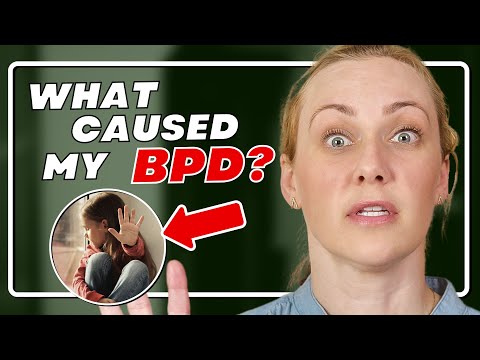
You know, trauma can mess with your head in ways you’d never expect. Like, it’s not just about feeling sad or scared. For some folks, it can actually shape how they see themselves and others.
Take Borderline Personality Disorder, for example. It’s one of those conditions that can feel really overwhelming. You’re talking intense emotions, unstable relationships, and a whole lot of chaos in your life. But here’s the kicker: trauma is often lurking in the background.
Think about someone who went through something really tough—a bad breakup, maybe abuse, or losing someone close. Those experiences can stick around like a bad smell, seriously affecting how they navigate their world.
So yeah, let’s chat about how trauma plays into all this. It’s important stuff if we want to understand what people with BPD are going through.
Exploring the Link Between Trauma and Borderline Personality Disorder: Key Insights
Sure thing! Let’s chat about the connection between trauma and Borderline Personality Disorder (BPD). It’s a serious topic, but I’ll keep it straightforward. Trauma can really shape how someone experiences the world, especially when it comes to mental health.
First off, what exactly is BPD? It’s a mental health condition characterized by intense emotions, unstable relationships, and a shaky sense of self. People with BPD often feel things deeply—like super deeply. It’s like being on an emotional roller coaster where the highs are really high and the lows hit hard.
Now, let’s get into trauma. When we talk about trauma in this context, we’re usually referring to significant events that caused emotional pain. Think abuse, neglect, or losing a loved one unexpectedly. These experiences can leave scars, you know? It’s like your brain gets rewired in ways that make it tougher to cope with everyday situations.
So here’s where things get interesting: Many studies suggest that folks with BPD often have histories of trauma or adverse childhood experiences. Like seriously, research backs this up! You might say that trauma can be a major player in developing BPD.
Let me explain why that happens:
- Emotional dysregulation: Trauma impacts how you manage your emotions. If you’re taught early on that feelings are overwhelming or unsafe, you might struggle later on when big emotions arise.
- Fear of abandonment: After experiencing trauma—especially in relationships—you might develop a heightened fear of being left behind or rejected.
- Unstable self-image: Trauma can mess with how you see yourself. If your sense of worth came from others’ approval during tough times, losing that can lead to an unstable self-image.
- Difficulty trusting: When trust is broken through traumatic experiences, forming healthy relationships becomes tricky.
Imagine someone who grew up in an unpredictable home. One day their parent is loving; the next day they’re yelling or absent. Over time, this creates confusion about what love actually looks like. So when they try to connect with others later in life? It feels all over the place—like they want closeness but fear getting hurt again.
But let’s not put all the blame squarely on trauma alone! Genetics and brain chemistry can also play roles here. Some people may be predisposed to develop BPD due to family history or other biological factors.
There’s hope though! Therapy can make such a difference for those grappling with these issues. Approaches like Dialectical Behavior Therapy (DBT) specifically help people learn skills to manage their emotions better and improve relationships.
So if you’re feeling lost or overwhelmed by these topics—whether for yourself or someone close—it’s okay! Finding support from mental health professionals who understand this link between trauma and BPD is crucial.
In wrapping it up: The link between trauma and Borderline Personality Disorder is strong, shaped by personal history and biology alike. Understanding this connection helps us approach healing more effectively and compassionately.
Understanding the Link Between Childhood Trauma and Borderline Personality Disorder
Childhood trauma can have a deep impact on mental health, and it’s often linked to the development of conditions like Borderline Personality Disorder (BPD). So, let’s break this down and make sense of it.
First off, what is BPD? Well, it’s a mental health condition characterized by intense emotions, unstable relationships, and a fear of abandonment. People with BPD may experience mood swings and engage in impulsive behaviors. Sounds tough, right?
Now, about that childhood trauma. Trauma can come from many places: abuse, neglect, or even witnessing violence. It can leave scars that affect how you see yourself and interact with others. For someone growing up in an unstable environment, it creates a sense of chaos that’s hard to shake off.
When you experience trauma as a kid, your brain and emotional systems get wired in ways that can lead to difficulties later on. Basically, a child might learn that love is unpredictable or that people can’t be trusted. This makes developing healthy relationships really tricky.
Here are some connections between childhood trauma and BPD:
1. Emotional Instability: Kids who face trauma often struggle to regulate their emotions. They might swing from one feeling to another without much notice.
2. Fear of Abandonment: If love feels unreliable because of past experiences, the fear of losing significant people becomes very real—almost paralyzing.
3. Identity Issues: Trauma can lead to confusion about self-worth or identity. This can create patterns where individuals feel empty or disconnected from themselves.
4. Impulsive Behavior: To cope with overwhelming feelings or emptiness, some people resort to risky actions like substance abuse or dangerous activities.
Let me share a quick anecdote here—it’s not uncommon for someone who went through tough times in childhood to say they always felt like they had to put on a mask for others. Imagine feeling like you’re walking on eggshells at home as a kid; no wonder those feelings stick around! So when they grow up and someone tries to get close emotionally? They may just push them away out of fear.
It’s essential to remember that not everyone who experiences childhood trauma will develop BPD—or any disorder for that matter! People are resilient and have different coping strategies based on their uniqueness.
So when looking at treatment options for BPD rooted in childhood trauma, therapy plays a massive role! Approaches such as Dialectical Behavior Therapy (DBT) focus on building skills for emotion regulation and interpersonal effectiveness—super helpful!
In short: while the link between childhood trauma and borderline personality disorder is real and complex, it doesn’t mean all hope is lost when healing begins. Growth is possible through understanding oneself better and seeking support if needed.
Understanding BPD Trauma Dumping: Signs, Effects, and Healthy Coping Strategies
So, let’s talk about borderline personality disorder (BPD) and something that often comes with it: trauma dumping. It’s a heavy term, but I promise to break it down for you. Basically, trauma dumping happens when someone shares their past traumatic experiences intensely and without filter. This can create confusion—both for them and the people they’re venting to.
People with BPD often struggle with intense emotions. They feel things deeply, sometimes way more than others might. Their experiences can shape how they relate to others. That feeling of being overwhelmed by emotions can lead to them sharing too much too soon. The sign of **trauma dumping** is when someone unloads emotional baggage in a way that feels one-sided or uncomfortable.
Think of it like this: you might be chatting with a friend over coffee. Suddenly, they start recounting heavy stuff from their past—like details about abusive relationships or abandonment—without noticing your reaction or whether you’re ready for that kind of talk. You feel pile on, right? It can leave you feeling drained or even anxious.
Now let’s dig into some signs that this might be happening:
- Over-Sharing: Talking about traumatic events without much context
- Ignoring Boundaries: Not reading the room when someone seems uncomfortable
- Emotional Flooding: Sudden outbursts of emotion linked to past trauma
- One-Sided Conversations: Not allowing the other person to share their feelings
You see, BPD is often rooted in early trauma—like neglect or abuse during childhood—and that plays a big role in how someone interacts with others later on. It’s truly tough because these individuals have learned to cope by expressing pain as freely as breathing.
But here’s the kicker: while sharing can help build connections, too much of it can push people away. And you don’t want that! So what are some healthy ways to cope instead?
First off, practicing self-awareness is key. Someone with BPD could try checking in before sharing heavy stuff with friends or family members. Questions like “Are they ready for this?” or “How will my words affect them?” could really help foster better communication.
Another strategy might be keeping a journal—not just venting but reflecting on those intense feelings first before talking about them with others. This gives some space between the feeling and the act of sharing.
And let’s not forget professional support! Working through trauma with a therapist can be an absolute game changer. They help process those feelings and teach coping strategies tailored specifically for handling emotional intensity.
In summary, while trauma dumping is tied into BPD due to its roots in traumatic experiences, awareness and healthier coping mechanisms do exist! It’s all about finding balance—the right timing and audience for those deep conversations while still working through personal stuff in constructive ways.
So as we wrap up this chat about BPD and trauma dumping, remember: it’s okay to share your story but important to consider how it affects both you and others around you!
You know, when we talk about Borderline Personality Disorder (BPD), it’s hard to ignore trauma. It’s like a shadow hanging around in the discussion. Many people with BPD have experienced some sort of traumatic event, whether it’s childhood abuse, neglect, or even a significant loss. These experiences can be seriously intense and leave lasting marks on someone’s emotional landscape.
I remember chatting with a friend of mine who was diagnosed with BPD. She opened up about her childhood. There were moments where she felt completely unheard and invisible in her own home. Those feelings snowballed into a rollercoaster of emotions as she grew older—like one minute everything was fine, and the next, she felt abandoned over the smallest things. Seriously, it broke my heart to see how those early experiences shaped her view of herself and the world around her.
So what happens is trauma creates this deep sense of insecurity. You might feel constantly on edge or worry that people will just up and leave you. It’s like being on a high-alert mode all the time. That can lead to frantic efforts to avoid abandonment—whether that’s through clinging too tightly to someone or pushing them away altogether out of fear.
But here’s where it gets complicated: not everyone who experiences trauma develops BPD. It’s more about how we process those events. Some people might find ways to cope that feel healthier or more sustainable, while others struggle with that emotional regulation piece.
Emotions for someone with BPD can be like a wild storm—intense yet fleeting. So if you’ve got trauma in your background, that storm can hit even harder and more unpredictably. Learning skills for managing those feelings takes time and often support from therapy.
Speaking of therapy—that’s an essential step for many dealing with BPD and trauma alike. Dialectical Behavior Therapy (DBT) is one approach gaining traction because it focuses on teaching skills for coping with those overwhelming emotions and improving interpersonal relationships.
In short, trauma plays a huge role in shaping Borderline Personality Disorder, but it doesn’t define it completely. Understanding this connection helps create space for healing—a journey filled with ups and downs but ultimately leading toward self-acceptance and better emotional health. That gives hope, doesn’t it?