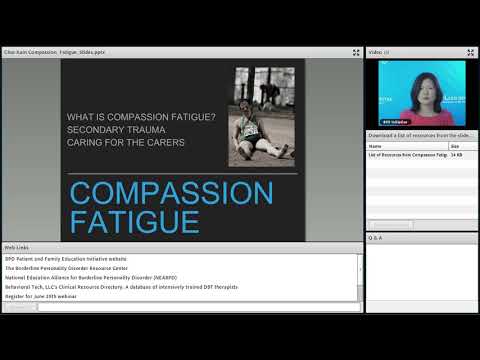
Hey there! So, let’s chat about something that hits home for a lot of folks: Borderline Personality Disorder, or BPD for short.
You might have heard of it, but, honestly, it’s often misunderstood. It can feel like a wild ride—lots of ups and downs. But here’s the thing: it doesn’t define someone.
BPD Day is all about bringing awareness and compassion into the mix. Think of it as a big hug for all those affected by this condition.
Let’s take a moment to celebrate the strength and resilience of those living with BPD. They go through a lot, and they deserve our support!
Exploring Borderline Personality Disorder: Is There an Awareness Day to Know About?
Did you know that Borderline Personality Disorder (BPD) affects about 1.4% of the U.S. population? It’s a mental health condition that can seriously impact how you think and feel about yourself and others. People with BPD often experience intense emotions and struggle with their relationships. It can be tough, but there’s definitely help available.
Now, let’s get into something cool—there is actually a BPD Awareness Day! This day is recognized on October 24, and it aims to raise awareness about BPD, the experiences of those living with it, and the importance of compassion in mental health care.
Awareness days like this are super important because they help break down stigma. Lots of folks don’t really understand what BPD is, or they have misconceptions about it. For instance, some might think that people with BPD are just being dramatic or difficult, but it’s way more complicated than that.
Here are some key points that highlight what makes BPD Awareness Day special:
- Education: The day encourages sharing information about symptoms, treatment options, and ways to support loved ones who might be struggling.
- Empathy: It promotes compassion towards those affected by BPD instead of judgment.
- Community: Many organizations host events to create community connections, helping people feel less alone in their experiences.
The thing is, people with BPD often experience mood swings and fear of abandonment which can affect their relationships. Imagine feeling like you’re on an emotional rollercoaster all the time—yeah, it’s exhausting! And this day gives everyone a chance to listen more closely to these experiences.
If you’re close to someone dealing with BPD or just want to learn more for yourself, use this day as an opportunity. You could read up on resources or maybe even attend local events. Seriously, every little bit helps in spreading awareness.
So when October 24 rolls around each year, take a moment to think about how you can contribute to making life better for those affected by BPD—whether through education or simply lending an ear. Compassion goes a long way!
Understanding BPD Awareness Day: Raising Awareness and Support for Borderline Personality Disorder
One of the big things about BPD is that it’s not just a phase or something you “grow out” of; it needs attention and care. Treatment options range from therapy—like Dialectical Behavior Therapy (DBT), which focuses on teaching skills to manage emotions—to medication that can help with symptoms.
But here’s what often gets overlooked—people with BPD are not defined by their diagnosis. They have strengths too! Many are incredibly creative and passionate individuals whose experiences give them unique perspectives on life.
Raising awareness isn’t just about sharing facts; it’s also about connecting emotionally. When people talk openly about their experiences with BPD, it creates a sense of community. For example, knowing you’re not alone in your feelings can be really comforting for someone who often feels isolated.
isn’t just another day marked on a calendar; it’s an opportunity for compassion and understanding in our communities. By spreading awareness—and maybe sharing a little kindness—we can help foster an environment where everyone feels accepted no matter what they’re facing.
So next time July 1st rolls around, consider reaching out; whether it’s liking social media posts related to or simply checking in on someone who may need support—you never know how much your small gesture could mean!
Understanding Borderline Personality Disorder: Raising Awareness and Promoting Mental Health
Borderline Personality Disorder, or BPD, is one of those mental health conditions that people often misunderstand. It’s like carrying a heavy backpack filled with emotions that sometimes spill over. Seriously, it can be tough for those who experience it and for the people around them.
So, what’s the deal with BPD? Well, basically, it involves a pattern of unstable moods, behavior, and relationships. You may find yourself feeling super happy one moment and deeply sad the next—sometimes triggered by something small. It’s not just mood swings; it’s more like an emotional rollercoaster that’s hard to get off.
Recognizing BPD is crucial. Here are some key characteristics:
- Intense emotional experiences: Imagine feeling everything way more strongly than others do.
- Chronic feelings of emptiness: Some folks with BPD feel like there’s this void inside.
- Fear of abandonment: Like, you might worry excessively about being left behind.
- Impulsive actions: This could look like spending sprees or risky behavior that feels out of control.
- Relationship struggles: You may swing between idolizing someone and then devaluing them.
So ya know how relationships are complicated? For someone with BPD, they can be even more so. One minute you feel really close to someone, and the next you’re convinced they hate you. It’s exhausting!
To paint a picture—let’s say your friend makes a comment about dinner plans changing last minute. A person with BPD might feel totally rejected or abandoned by that change—even if it wasn’t meant to be hurtful at all. It can create this cycle where people withdraw or lash out because they’re scared of losing connections.
Now, here comes the interesting part! While there isn’t a “cure” for BPD per se, **there are ways to manage it** effectively. Therapy plays a huge role here—especially Dialectical Behavior Therapy (DBT), which teaches skills to cope better with emotions.
But treatments aside, raising awareness is super important too! Since many people don’t really “get” BPD, folks end up feeling isolated or misunderstood. Being open about your experience can help bridge that gap.
On BPD Day, we celebrate not just awareness but compassion too! We need to educate friends and family members about what someone living with this disorder goes through. When people understand why someone acts the way they do—well that’s when things start to click.
It’s all about connection and not judgment! If we approach each other with empathy instead of fear or stigma—it just works better for everyone involved. So remember, if you’re struggling or know someone who is—you’re definitely not alone in this wild ride called life!
BPD Day, huh? It’s this special day that shines a light on Borderline Personality Disorder, or BPD for short. It’s like a reminder for all of us to think about the ups and downs people with BPD face. You know, there’s so much stigma around mental health, especially when it comes to personality disorders. It can feel overwhelming sometimes.
Can I share a little story? I had a friend once who really struggled with her emotions. One minute we were laughing and having a blast, and the next, she’d be in tears over something that seemed small to me. At first, it was confusing like «What just happened?» But as I learned more about BPD, it clicked. Her feelings were intense and real. I realized she just needed understanding and support.
On BPD Day, people come together to celebrate not just awareness but compassion too. It’s about educating ourselves and breaking down those walls of misunderstanding. So often folks don’t get how hard it can be to navigate relationships or even just daily life when you’re living with BPD.
There’s also this beautiful aspect of connection that unfolds on days like this—sharing experiences and stories can create a sense of belonging, you know? Seeing someone speak openly about their struggles with BPD can make others feel less alone in their fight too.
It’s important for everyone—friends, family members, therapists—to take a moment and reflect on how we treat those who are dealing with these complex feelings. Just because someone experiences emotions differently doesn’t make them any less valid. A little kindness goes a long way.
So here’s to awareness around BPD! Let’s keep the conversation going beyond just one day a year because empathy should be an everyday practice!