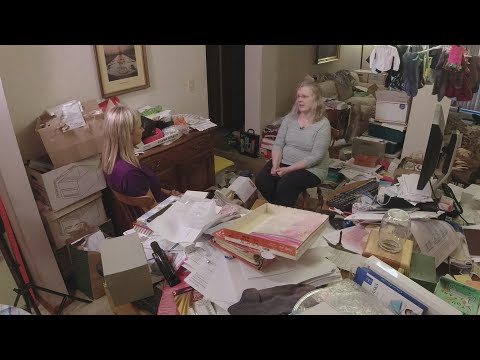
You know, hoarding is one of those things that really makes you stop and think. It’s not just about holding on to stuff; it runs a lot deeper than that.
When you hear about hoarding, what pops into your mind? Messy houses? A pile of newspapers from the ’90s? But for folks with borderline personality disorder (BPD), it’s a bit more complex.
Imagine feeling such intense emotions that you cling to objects as if they’re lifelines. Seriously, it can be overwhelming. So, let’s take a peek into the psychological roots of these behaviors. You might just find some surprising insights waiting there.
Uncovering the Psychological Roots of Hoarding: Understanding the Mind Behind the Clutter
Hoarding is one of those things that might seem, like, a tiny bit weird at first glance, but once you dig deeper, it really reveals a lot about what’s going on in someone’s mind. It’s not just about having too much stuff—there’s a whole emotional landscape underneath it all. So, let’s explore the psychological roots of hoarding and connect it to Borderline Personality Disorder (BPD).
First off, when we talk about hoarding, we’re often dealing with some complex emotions. People who hoard stuff usually struggle with feelings of anxiety and insecurity. Like, think about it: every item can have a memory or emotional attachment that makes it really hard to let go. For many, these objects become extensions of their identities. Can you imagine throwing away something that feels like a part of you? That’s where the emotional tug-of-war begins.
Now, if we bring in BPD here—this is where things get even more intricate. Individuals with BPD often experience intense emotions and have challenges in relationships. Some experts suggest that the impulsivity tied to BPD can lead to compulsive collecting behaviors. And it’s not just about collecting; it’s also about filling a void or coping with emotional pain.
A common thread here is the fear of abandonment or loss. For someone with BPD who also has hoarding tendencies, the clutter can symbolize safety or comfort—a barrier against an unpredictable world. You see this play out when people feel they need to surround themselves with objects to avoid feeling lonely or rejected.
And then comes the struggle with decision-making. If you’re battling overwhelming feelings all the time, making choices isn’t easy! So when faced with sorting through belongings—let’s say deciding what stays and what goes—it becomes paralyzing. You might find yourself holding onto everything out of fear that you’ll regret letting something slip away.
Another aspect is trauma history. Many individuals with hoarding behaviors report past traumatic experiences—maybe losing someone close or growing up in chaotic environments where control felt impossible. The clutter may serve as a way to exert some control over their lives because everything else feels chaotic.
What’s really interesting is how symptoms manifest differently for people based on their background and life experiences. For some folks struggling with both hoarding and BPD tendencies, self-image issues come into play too—they might think they’re unworthy of better living conditions or even feel ashamed of seeking help.
Addressing these psychological roots involves understanding not just the clutter itself but also what’s beneath it: the fears, memories, and emotions tied to each object.
And therapy can be super helpful here! Approaches like cognitive-behavioral therapy (CBT) focus on changing thought patterns around possessions and helping individuals develop healthier coping strategies for those intense feelings.
In essence, hoarding isn’t simply about being messy; it’s often a reflection of complicated emotional struggles intertwined with identity issues and past traumas flowing from experiences related to BPD as well. So if you know someone wrestling with this challenge—or if it resonates on your end—just know there’s so much deeper going on than meets the eye!
Understanding the Brain: The Neuroscience Behind Hoarding Behavior
Alright, let’s talk about hoarding behavior and what’s going on in the brain behind it, especially when it’s linked to Borderline Personality Disorder (BPD).
Hoarding isn’t just about having a lot of stuff. It’s a complex behavior that can be tied to deep psychological issues and how our brain processes emotions. Seriously, the brain plays a huge role in this.
First off, hoarding is often linked to anxiety and what we call “emotional dysregulation.” It can feel like everything is overwhelming, so people start holding onto things as a way to cope. You know that feeling when you don’t want to let go of something because it feels safe? That’s part of it!
In terms of neuroscience, research shows differences in brain areas associated with decision-making and emotional control in folks who hoard. For example:
- The prefrontal cortex, which helps us make decisions and plan, might not work the same way for someone with hoarding tendencies.
- The amygdala, involved in processing emotions like fear and anxiety, can be more active in those who struggle with hoarding. This means they might feel intense anxiety about getting rid of items.
It’s like their brains are wired to see value where others don’t. Have you ever watched someone cling to old magazines or expired food? It can seem bizarre from the outside, but for them, those items can represent hopes or memories.
Then there’s the attachment aspect. Items can take on emotional significance. Let me share an example: Imagine someone who has kept every birthday card they’ve ever gotten. To them, throwing a card away feels like losing a piece of love or memory—making it super hard to declutter.
Now, when we tie this back to BPD—people with this disorder often struggle with identity issues and fear of abandonment. Hoarding behaviors may act as a shield against these fears. Suddenly those piles aren’t just junk; they’re comfort zones.
Also important is the role of past trauma. Many folks who hoard have experienced significant loss or trauma. Holding onto things can feel like holding onto control amidst chaos.
To wrap it up—hoarding isn’t just about clutter; it reflects deep-seated psychological struggles influenced by brain function and emotional experiences. Getting help usually means addressing both the emotional side through therapy and understanding how our brains process these feelings.
So next time you see someone wrestling with their stuff—remember there could be so much more going on beneath the surface than meets the eye!
Understanding Borderline Hoarding: Signs, Causes, and Coping Strategies
Borderline hoarding can be a pretty tough topic to tackle, especially when it’s tied to Borderline Personality Disorder (BPD). So, let’s break it down a bit. Basically, it’s a mix of emotional struggles and behaviors that can lead someone to hold onto things in ways that might confuse or frustrate others.
Signs of borderline hoarding are often linked to emotional distress. Individuals might keep items not just because they need them but because they’re afraid of losing their significance. You might find someone seriously attached to old magazines or clothes—stuff that seems absolutely useless to others but feels like treasure to them.
- Difficulty parting with possessions: Even small items can hold deep meaning. Think about those movie tickets you saved from a first date—they’re not just paper; they remind you of something special.
- Overwhelming clutter: Their living space may be filled with things stacked high, making it hard for them to move around comfortably.
- Feelings of anxiety: When asked to clear stuff out, anxiety can spike. It becomes not just about the stuff; it feels like losing memories or connections.
Let’s talk about the causes. There isn’t one single reason folks develop these hoarding tendencies tied with BPD, but we can look at several factors:
- Emotional dysregulation: People with BPD often experience intense emotions. This makes letting go feel like losing a part of themselves.
- Past trauma: If someone faced significant loss or trauma in their life, holding onto things can feel like a protective measure—a way to keep memories alive.
- Anxiety and fear: The fear of abandonment is huge for people with BPD. Hoarding could be an attempt to feel more secure by surrounding oneself with possessions.
Now, I know this sounds intense, right? But there are coping strategies that can help manage these behaviors.
- Therapy: Working with a therapist trained in BPD and hoarding issues can really make a difference. They’ll help sort through feelings and develop healthier coping mechanisms.
- Meditation and mindfulness: Practicing being present can reduce anxiety around possessions and help in making clearer decisions about what’s truly important.
- Pacing the decluttering process: It doesn’t have to happen all at once! Breaking down clearing items into small tasks makes it feel less overwhelming.
There’s also this idea of building a support network. Friends and family who understand what someone is going through can offer encouragement without judgment.
It’s crucial to remember that this isn’t just about physical objects; it’s deeply emotional too. Each item often tells a story or represents something significant, which is why these behaviors are so complex.
If you’re dealing with this yourself or know someone who is, reaching out for professional guidance can provide clarity and support on this journey towards healing. Just know you’re not alone in navigating through these emotional waters—there’s always hope for change!
Hoarding can be a pretty heavy topic, especially when it connects to something like Borderline Personality Disorder (BPD). So, let’s chat about it a bit—like friends over coffee.
You know, people often think hoarding is just about having too much stuff. But if you dig a little deeper, you start to see that there’s a whole emotional landscape behind it. For folks with BPD, there’s usually this intense fear of abandonment and a struggle with self-identity. That creates a kind of storm in their lives. They cling to things—old clothes, empty bottles, you name it—because those items can feel like the one thing they can control or keep from slipping away.
I remember a friend who used to have a tough time letting go of things. Her apartment looked like an episode of one of those reality shows! But it wasn’t really about the stuff itself; it was more about what those items represented to her. They were reminders of happier times or connections she feared losing. Like, for her, letting go felt like losing part of herself or something precious.
So yeah, the psychological roots run pretty deep here. For many with BPD, hoarding isn’t just messy—it’s tied up in their emotional struggles and deep-seated fears. They might fear losing memories or relationships if they toss things out. And that makes sense when you think about how unstable emotions can feel; sometimes holding onto physical objects feels safer than facing that emotional chaos.
But addressing hoarding behaviors in therapy usually involves tackling those core emotional issues first before saying goodbye to any trinkets or stacks of newspapers. It’s about building trust and helping individuals find healthier ways to cope with those overwhelming feelings.
Honestly? It’s heartbreaking sometimes but also hopeful when people take steps towards understanding their behaviors and emotions better. And every little step counts—even if it’s just starting to sift through some old magazines!