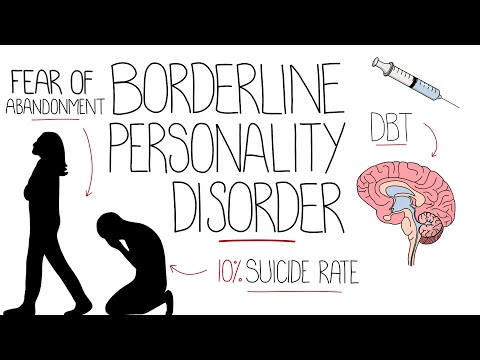
So, let’s talk about BPD—Borderline Personality Disorder. It’s this thing that can feel pretty overwhelming, both for folks living with it and for those around them.
You know how some emotions can just hit you like a truck outta nowhere? That’s kinda what BPD is like. It’s wild, you’re riding high one minute and then, bam! You’re in a free fall.
But here’s the deal: understanding is key. If we break it down together, it could really help someone out there who feels lost or misunderstood.
So grab a comfy spot, maybe a drink or snack, and let’s get into it!
Top Strategies for Effective Support in Borderline Personality Disorder Recovery
Borderline Personality Disorder (BPD) can be really tough for everyone involved. It’s one of those things where understanding what someone is going through can make a massive difference. Let’s chat about some effective ways to support someone on their recovery journey with BPD.
Be There Consistently. First off, just showing up matters. People with BPD often experience intense emotions and fear of abandonment. If you’re consistent in your presence, it helps create a sense of safety. It’s like saying, “Hey, I’m here for you.” Even when things get messy, being there makes a world of difference.
Listen Without Judgment. Seriously, empathy is key! Just listening and allowing them to express their feelings without trying to fix every little thing can help them feel valued. You know how comforting it is when someone just lets you vent? That’s the vibe you’re going for. Instead of jumping to conclusions or offering solutions immediately, try saying something like, “I’m here; tell me what’s on your mind.”
Encourage Professional Help. It’s essential for them to work with professionals who understand BPD. While your support means a lot, therapists and counselors have training that can guide them effectively through the challenges they face. If they seem hesitant about seeking help, maybe say something like, “I think talking to someone could really help you sort through stuff.”
Set Boundaries. This one’s tricky but necessary! You want to be there but not lose yourself in the process. Be clear about what behaviors you can handle and which ones are too much for you. For example, if they’re lashing out due to stress or anxiety, it’s okay to say something like “I care about you but I need some space right now.” It doesn’t mean you’re abandoning them; instead, it helps maintain a balanced relationship.
Help Them Identify Triggers. Triggers are the things that make emotions go haywire—like red flags popping up everywhere! Talk openly with them about what seems to escalate their feelings or reactions. Maybe they’re sensitive about certain topics or situations? Recognizing these patterns together can strengthen their coping skills.
Coping Strategies. Explore different coping mechanisms together! Whether it’s grounding exercises or simple mindfulness techniques like deep breathing or meditation—having tools at hand can ease overwhelming feelings when they hit hard. Encourage them always to keep a list of go-to strategies that help calm their emotional storms.
Acknowledge Small Victories. Celebrate progress! Recovery isn’t always about huge leaps forward; sometimes it’s those tiny steps that count big-time—a good day without intense emotions or managing conflict peacefully deserves a shoutout! Affirming these moments reinforces positive behaviors and builds confidence.
All in all, being there for someone with BPD isn’t just about understanding their struggles—it also involves creating an environment where they feel safe and empowered to face their challenges head-on. Your support plays an invaluable role in their recovery journey while ensuring your own well-being at the same time!
Comprehensive Support Options for Individuals with Borderline Personality Disorder (BPD)
Borderline Personality Disorder (BPD) can feel like a rollercoaster ride. You might find that emotions swing wildly and relationships fluctuate between intense love and deep anger. It’s tough, right? But here’s the good news: there are several support options that can really help you or someone you know navigate through BPD.
Therapy is often the cornerstone of treatment for BPD. Dialectical Behavior Therapy (DBT) is one of the most effective approaches. It combines cognitive-behavioral techniques with mindfulness practices. The idea is to help you learn to manage emotions better and develop healthier coping skills. Imagine feeling less overwhelmed by your feelings—that’s what DBT aims for.
Another therapy option is Cognitive Behavioral Therapy (CBT). This helps you identify and challenge negative thought patterns that contribute to emotional pain or impulsive behaviors. By changing these patterns, you might find more balanced ways to think about situations.
Support groups can be super helpful too! Being around others who get what you’re going through can make a big difference. Sharing experiences can lessen feelings of isolation, plus, you can pick up some coping strategies from each other.
Medication isn’t always the first line of defense but it can play a role in managing symptoms like mood swings or anxiety. Sometimes, doctors prescribe antidepressants or mood stabilizers to help level things out.
Don’t underestimate self-help strategies, either! Things like journaling, exercise, or meditation can be amazing tools for managing stress. They give you a way to express yourself and create some calm in the chaos.
Family involvement in treatment is also crucial. Family therapy allows loved ones to understand BPD better and learn how to support you effectively without getting overwhelmed themselves. It’s all about learning together.
Finally, crisis services are there when things get really intense. Hotlines or emergency services provide immediate relief if you’re feeling unsafe or in distress. They’re just a call away when things seem too heavy to handle alone.
So remember, if you or someone close to you struggles with BPD, it’s totally okay to reach out for help. There are many paths toward healing—and finding what works best is key!
Understanding the Challenges: Common Struggles Faced by Individuals with Borderline Personality Disorder (BPD)
Understanding Borderline Personality Disorder (BPD) can feel pretty overwhelming, both for those living with it and their friends or family. BPD is like this emotional rollercoaster, filled with intense feelings and unstable relationships. It’s common to experience some really tough struggles.
People with BPD often face emotional instability. Imagine feeling like your emotions are a tidal wave; one minute you’re on top of the world, and the next you feel utterly crushed. This can make daily life really hard. For example, you might have moments of extreme happiness followed by sudden sadness or anger that seems to come from nowhere. It’s confusing and draining.
Another huge challenge is interpersonal difficulties. Relationships are often a huge source of pain. You might find yourself feeling really close to someone one day and then pushing them away the next because of fear of abandonment. It’s like being stuck in this crazy cycle where you crave love but also push people away outta fear they’ll leave. Anyone who’s ever experienced that left unanswered text knows how much it stings!
Struggling with self-image is also a biggie for folks with BPD. Sometimes, it’s like looking in a funhouse mirror; you can’t quite figure out who you really are. This leads to inconsistent values or goals, which makes decision-making tough. You might think, “I want to be an artist,” then suddently decide “Nah, I should be an accountant.” That back-and-forth can feel exhausting.
Also, there’s this tendency toward impulsive behavior. Ever made a snap decision that left you regretting it later? Well, it gets amplified here; people may engage in reckless spending, substance use, or risky sexual behavior without thinking it through. It’s not just about being wild; it’s often a desperate attempt to escape all those swirling emotions.
Then there’s the issue of self-harm. A lot of individuals with BPD struggle with self-injurious behaviors as a way to cope with emotional pain or numbness. It may seem shocking if you’ve never experienced such feelings yourself but understand that this isn’t about wanting to end things—it’s more about trying to find some relief from overwhelming emotions.
Finally, let’s talk about fear of abandonment. This can be intense and paralyzing. You might constantly worry that people in your life will leave you—friends, partners, even family members—and this fear often leads to clingy behavior or outbursts when someone seems distant.
Living with BPD isn’t easy by any means! Navigating these challenges takes effort and sometimes requires professional help through therapy or support groups. And hey, if you’re supporting someone who has BPD—don’t underestimate how important your understanding can be! Just knowing you’re there makes such a difference in their lives.
So remember: It’s complex! And while these challenges are common among those living with borderline personality disorder, everyone experiences them differently and at different intensities. Understanding each person’s unique journey is key in offering support and compassion along the way.
Alright, let’s chat about Borderline Personality Disorder, or BPD for short. It’s one of those terms you might hear thrown around, but honestly, it can feel a bit murky if you’re not familiar with it. So let’s break it down.
BPD is all about those emotional roller coasters. You know, where one minute you’re feeling on top of the world and the next, it feels like everything’s crashing down? That instability can be super tough to handle. People with BPD often struggle with intense emotions, fears of abandonment, and issues in relationships. It’s like having a heart that’s always racing because it’s afraid of being left behind.
I remember talking to a friend who has BPD. She shared how she sometimes felt like she was on a seesaw between joy and despair. One day she’d be laughing at memories from a fun trip we took together, then suddenly she’d spiral into this deep sadness over something that seemed small. It was really eye-opening to see how deeply her emotions affected her daily life and relationships.
Now, here’s the tricky part: because of those intense feelings and the way they can react to situations—sometimes impulsively—it can lead people to misunderstand them. They might think someone with BPD is «too much» or «dramatic.» But seriously, these reactions come from a place of vulnerability and fear.
When it comes to support, knowing that someone with BPD isn’t just seeking attention or being overly dramatic changes everything. A little kindness goes a long way. Listening without judgment? Huge win! Encouraging them to seek therapy or join support groups can really help too because they’ll find others who get it.
Also worth mentioning are therapy approaches like Dialectical Behavior Therapy (DBT). It teaches coping skills for handling those emotions instead of letting them take control. Imagine learning ways to ride out the storm rather than getting swamped by it!
In short, what I’m saying is—let’s spread awareness about BPD because empathy makes such a difference. Supporting someone who navigates this disorder? Remember that it’s not just about labeling their feelings; it’s about holding space for them during the highs and lows they experience every day. So next time you meet someone dealing with this stuff, try seeing beyond the behavior and understand the tangled emotions underneath.