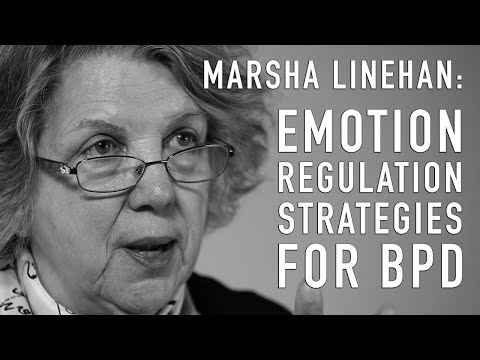
So, let’s talk about BPD—Borderline Personality Disorder. It’s one of those things that can seem super confusing, right? I mean, it’s not just a label; it comes with a whole lot of emotional ups and downs.
You know how sometimes you feel like you’re on a rollercoaster? Yeah, that’s what living with BPD can feel like. One moment you’re flying high, and the next, you’re in free fall.
But why is that? What are those challenges really like? Trust me, there’s so much more to it than just the name. It affects relationships, self-image, and just day-to-day life in ways most people don’t even think about.
I once spoke with a friend who has BPD—her experiences opened my eyes big time. The emotional intensity she felt was both heartbreaking and inspiring. So let’s break this down together!
Understanding the Symptoms of Borderline Personality Disorder in Women: A Comprehensive Guide
Borderline Personality Disorder, or BPD, can be quite a tough ride for many women. It’s all about emotional ups and downs, intense relationships, and sometimes feeling lost in your own head. That’s why understanding the symptoms is really important.
Emotional Instability is one of the core symptoms. You know how some days you feel on top of the world and other days you’re just down in the dumps? For someone with BPD, these feelings can shift dramatically within hours or even minutes. One minute you’re happy, and the next you feel hopeless. Imagine feeling like your emotions are a rollercoaster that you can’t get off.
There’s also fear of abandonment. This could be huge for someone with BPD. They might feel like everyone is going to leave them at any moment. It’s like living with this underlying panic that people will bail on you. Picture a friend who suddenly pulls away, and instead of thinking it’s just life happening, someone with BPD might take it as proof that they’re not lovable or worth sticking around for.
Then we have impulsivity. This might show up as binge eating, spending sprees, reckless driving, or even substance abuse. It’s those moments when you act without thinking through the consequences first—that can lead to some pretty messy situations. Like one time my friend bought a plane ticket to a different state at 2 AM because she felt “free” but ended up regretting it later.
Another symptom is intense relationships. Women with BPD often go from idolizing someone to completely devaluing them in no time flat. It could be your best friend one day and then suddenly feeling betrayed over a small comment the next day. That kind of push-and-pull creates chaos not only in their lives but also in their relationships.
Now let’s talk about sensitivity to rejection. Just like fear of abandonment, this takes it up a notch. If they perceive any kind of criticism or slight—real or imagined—it can feel like being hit by a freight train. Maybe it’s something as small as not getting invited to an event; that can spiral into feelings of worthlessness pretty quickly.
Lastly, there’s this experience of emptiness. Many women with BPD describe feeling like there’s a void inside them—a sense that something’s missing that just can’t be filled no matter what they do. It feels incredibly lonely because even when surrounded by friends and loved ones, they might still feel empty inside.
So yeah, understanding these symptoms helps shed light on what someone with BPD goes through daily—it’s not just about being moody or difficult. These emotional challenges are real and affect everything about their life—from friendships to work situations.
Navigating life with these symptoms can be overwhelming but recognizing them is the first step toward finding support and healing—whether through therapy or connecting with others who get it! And remember: it’s all about compassion—both for yourself if you’re dealing with this stuff and for those who might be struggling too.
Take the BPD Test: Understanding Borderline Personality Disorder Symptoms and Insights
Borderline Personality Disorder, or BPD for short, is one of those terms that float around a lot in conversations about mental health. But what does it actually mean? Let’s break it down.
BPD is like a rollercoaster ride of emotions. People with BPD experience intense feelings that can swing from joy to despair in just moments. That can be hard to cope with! If you or someone you know is dealing with this, understanding the symptoms is key.
Some common symptoms include
and
Imagine this: You’re hanging out with friends and everything feels perfect. But then someone cancels plans last minute and it feels like the world’s ending. You start questioning your worth, feeling like you aren’t good enough anymore. That’s an emotional shift many people with BPD experience.
That fear of abandonment? It can make relationships really tricky. You might find yourself clinging tightly to people or pushing them away out of worry they’ll leave anyway. It’s super confusing and can lead to some chaotic interactions.
Now about those impulsive behaviors—you could find yourself making rash decisions without really thinking them through. Maybe it’s spending too much money on something totally unnecessary or rushing into a relationship without considering if it’s healthy.
In terms of emotional experiences, imagine feeling angry out of nowhere or having crying spells that surprise even you! These intense feelings don’t always seem to match what’s happening around you; they just happen.
So how do you figure all this out? Well, there are tests you can take online that try to assess your symptoms related to BPD. But remember that these tests aren’t a substitution for professional help. A therapist who specializes in personality disorders can provide real insights because they’ll understand what you’re going through—even on the tough days.
Treating BPD isn’t one-size-fits-all either; it often includes therapy approaches like Dialectical Behavior Therapy (DBT). This is like a toolkit for managing your emotions better—it teaches skills to handle stress and build healthier relationships.
But seriously—if any of this resonates with you or someone close to you, reaching out for help is crucial! There’s no shame in seeking support when navigating these emotional challenges—everyone deserves to feel understood and valued.
Just remember: You’re not alone on this journey. Understanding BPD is a stepping stone toward healing and building a more balanced life.
Understanding the Triggers of Borderline Personality Disorder: Key Insights for Better Support
Understanding Borderline Personality Disorder (BPD) can feel like navigating a maze, right? It’s got so many twists and turns. Let’s break it down. You know, if you or someone you care about is dealing with BPD, recognizing the triggers is key to offering better support.
First off, what’s a trigger? Well, it’s basically anything that sets off intense emotional reactions. In the case of BPD, those reactions can feel like a rollercoaster—extreme and sometimes overwhelming. So let’s talk about some common triggers that people with BPD might face.
1. Interpersonal Conflicts: Relationships can be both a source of comfort and chaos for someone with BPD. A small disagreement might lead to feelings of abandonment or rejection. Imagine arguing with a close friend; instead of just feeling upset about the fight, it could spiral into fears of being alone forever.
2. Emotional Dysregulation: People with BPD often struggle to manage their emotions effectively. It’s like having an emotional volume knob that goes from zero to ten in seconds! Stressful situations or reminders of past trauma can heighten this dysregulation.
3. Fear of Abandonment: This is a huge one. The thought that someone might leave—be it a partner or even a friend—can cause panic and anxiety. You know how sometimes you just feel left out? For someone with BPD, that feeling can reach epic proportions.
4. Real or Perceived Criticism: If they think they’ve messed up or if someone critiques them, it may trigger feelings of worthlessness or anger. Picture working really hard on something and then getting feedback that feels harsh… That hurts!
5. Major Life Changes: Transitioning jobs, moving to a new city, or any significant change can be overwhelming for someone dealing with BPD. It’s like throwing them off balance completely.
Supporting someone with BPD means staying aware of these triggers without trying to fix everything, which isn’t easy! Supportive responses involve listening and validating their feelings rather than trying to downplay what they’re experiencing.
You might find that **patience** goes a long way here too! When they express something that’s hard for them—like feeling abandoned—even if it seems minor to you—it feels colossal for them.
Being there when times get tough helps create trust too! When they see you won’t judge or abandon them in tough moments, it’s reassuring.
Ultimately, understanding triggers helps create not just empathy but also creates environments where people dealing with BPD feel safe enough to share their struggles without fear of judgment.
Relationships take work on both ends; helping isn’t just about knowing the facts but also about showing love and compassion through those everyday interactions! So keep learning and being supportive; it truly means the world to those who need it most!
So, let’s talk about Borderline Personality Disorder, or BPD for short. It’s one of those things that can seem really confusing if you’re not familiar with it, but honestly, it’s about so much more than just the label. People with BPD often have intense emotional experiences that can feel overwhelming at times.
You know that feeling when you’re on a rollercoaster? One moment you’re up, feeling ecstatic, and the next you’re plummeting down into a pit of despair? That’s what living with BPD can be like. Emotions swing like a pendulum—joy to anger to sadness and back again—sometimes in a matter of minutes or hours. I remember chatting with a friend who was diagnosed with BPD. She described it like feeling as if she was living in Technicolor while everyone else was stuck watching old black-and-white films. It’s vibrant but so exhausting.
The emotional challenges are real. Many people with BPD struggle with intense fear of abandonment or rejection. Imagine always walking on eggshells in relationships because you worry your friends might suddenly ghost you or not want to hang out anymore. That fear can lead to panic or anger at even small signs that someone might be pulling away, which creates this cycle that’s hard to break.
There’s also the whole issue of identity and self-image. Sometimes folks with BPD feel like they don’t really know who they are or what they want out of life. It’s common for them to fluctuate between different selves—one day feeling confident and ambitious, and the next doubting everything they once thought about themselves.
And then there are those impulsive behaviors: some people might engage in risky acts like binge drinking or reckless spending as a way to cope with intense feelings. It’s kind of heartbreaking because many don’t even realize they’re doing it until after things have gone awry.
If you ever meet someone dealing with these struggles, it helps to approach them with kindness and understanding. They’re not just acting “dramatically” for attention; they’re genuinely wrestling with their feelings in ways that many can’t comprehend without having walked in those shoes themselves.
Therapy can really make a difference for people navigating through BPD—it often focuses on skills for managing emotions and improving relationships. There’s hope here! And hey, through all these ups and downs, connection is key. So being supportive can mean the world to someone dealing with these emotional challenges.
In the end, recognizing that emotional struggles are part of being human can create connections rather than divisions. Because we all have our battles to fight—even if they look different from one another!