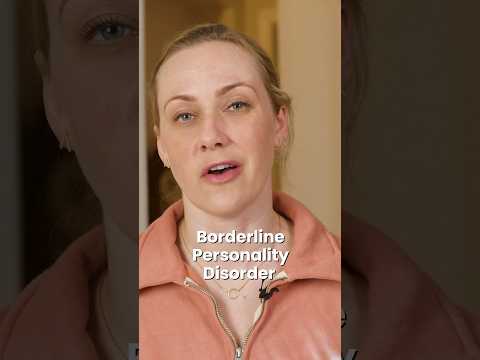
You know how some days feel like a rollercoaster? Up, down, and all around. Well, that’s kinda how it feels for folks with Borderline Personality Disorder, or BPD.
It’s like emotions are on overdrive. One minute you’re on cloud nine. The next? You might feel totally crushed. And it can be tough to explain that to friends or family who don’t get it.
But here’s the thing: understanding BPD isn’t just about symptoms. It’s a whole spectrum of experiences and feelings. It can impact relationships, work, and your daily life in ways you might not even realize.
So let’s chat about what BPD really is, how it shows up, and why it all matters in the mental health world. Seriously, whether you’re personally affected or just curious, there’s so much to unwrap here!
Understanding BPD: Essential DSM-5 Criteria PDF Guide for Mental Health Awareness
Understanding Borderline Personality Disorder (BPD) can feel like trying to navigate a maze with no exit signs. One moment, everything’s clear, and the next, you hit a wall. You know? The thing is, BPD is complex and often misunderstood, which can make it tough for both those experiencing it and those trying to support them.
Let’s break it down based on the DSM-5 criteria, which is the standard guide used by mental health professionals to diagnose different disorders. These criteria are crucial for understanding what BPD looks like in real life. Here’s what you need to know:
- Emotional Instability: This is about intense emotional responses. One minute you might be ecstatic; the next, you’re deeply sad or angry. It’s like riding an emotional rollercoaster.
- Fear of Abandonment: Individuals often have an intense fear of being abandoned or left alone. This fear can lead someone to go to great lengths to avoid real or imagined separations.
- Unstable Relationships: Relationships tend to be intense but unstable. You might find yourself idolizing someone one moment and then feeling angry or critical of them the next.
- Identity Disturbance: There’s often a fluctuating self-image or sense of self. People may feel like they’re not really sure who they are from day to day.
- Impulsivity: This could manifest in reckless behaviors—like spending sprees or unsafe sexual practices—that feel uncontrollable at times.
- Self-Harm: Some people with BPD may engage in self-harming behaviors or have suicidal thoughts as a way to cope with emotional pain.
- Chronic Feelings of Emptiness: You might feel an ongoing sense of emptiness that’s hard to shake off, leading to feelings of boredom or feeling disconnected from those around you.
- Intense Anger: It’s common for individuals with BPD to struggle with intense anger that they find difficult to control, sometimes leading to physical fights.
- Dissociation: During stress, some might experience dissociative symptoms—like feeling disconnected from reality—making things even more confusing.
Dealing with all this isn’t easy at all. Take Sarah, for example—she would sometimes feel on top of the world when she was out with friends but then spiral into deep sadness when they went home. For her, navigating relationships feels like walking on eggshells, afraid someone might leave at any moment.
One important thing about BPD is that it exists on a spectrum; not everyone will show all these signs in full force. Some days are better than others too—it’s a mixed bag! That’s why creating awareness around BPD is super vital.
Understanding these criteria helps foster better communication and empathy towards those living with this disorder—whether you’re directly affected by it or just want more insight into how it impacts people’s lives.
Effective Borderline Personality Disorder Journal PDF: Tools for Self-Discovery and Healing
Borderline Personality Disorder (BPD) can feel like a rollercoaster. You’ve got those intense emotions, and maybe you struggle with relationships or self-image. It can be really tough to navigate, right? One powerful tool that many find helpful is journaling. Seriously, journaling can open doors to understanding yourself better. That’s where an effective BPD journal PDF comes in handy.
Journaling helps you explore your feelings. It’s like having a conversation with yourself without the pressure of anyone else being there! When you jot down your thoughts, it’s easier to sort through those overwhelming emotions. You know how sometimes everything feels jumbled? Writing it down can help untangle that mess.
Here are some ways a BPD journal PDF can support your journey:
- Triggers and Patterns: Keeping track of situations that upset you can reveal patterns in your emotional responses. You might notice that certain environments or interactions set off those feelings. Let’s say you always feel anxious after social gatherings—writing this down makes it clearer.
- Emotional Regulation: By documenting your emotions daily, you can learn how to handle them better. For example, if one day you’re feeling really low and the next angry for no reason, seeing these fluctuations might help you pinpoint what led to those feelings.
- Self-Reflection: Reflecting on past experiences through writing helps with personal growth. If you had a conflict with a friend, writing about the event and how it made you feel allows for some distance and perspective.
- Goal Setting: A journal is a great place to outline what you’re working towards—be it feeling more stable or improving relationships. You could write about small steps that lead toward these goals instead of focusing on the big picture all at once.
Let me share an example—there’s Emily, who’s been living with BPD for years but didn’t realize her triggers until she started journaling. One day she wrote about feeling abandoned when someone didn’t reply quickly to her texts. Over time, she identified this pattern and learned not to take it personally! Isn’t that amazing?
Another neat aspect of an effective BPD journal PDF is its structure. You might find prompts designed specifically for navigating emotional landscapes related to BPD challenges. For instance, there could be questions like: “What made me happy today?” or “What’s something I’m grateful for?” These reflections remind you that not everything is doom and gloom.
And look, journaling isn’t just about writing down stuff; it’s also about being kind to yourself during this process. Sometimes it’s easy to get caught up in negativity—but acknowledging little victories matters too! Maybe today was tough but recognizing even small steps forward counts.
In essence, using something like a Borderline Personality Disorder journal PDF isn’t just beneficial—it’s empowering! Through self-discovery via journaling, you’re not only documenting your journey but actively engaging in healing too. That’s powerful stuff!
Understanding Borderline Personality Disorder: DSM-5 Code and Key Insights
Borderline Personality Disorder, or BPD for short, can seem really complicated at first. But let’s break it down. The DSM-5 code for BPD is 301.83. This classification helps mental health professionals identify and diagnose the condition, which is crucial for getting the right treatment.
BPD is characterized by a wide range of symptoms that can affect how you feel, think, and interact with others. People with this disorder often deal with intense emotions and have unstable relationships. You might feel great one minute and then really low the next, which can be exhausting.
Here are some key insights about BPD:
These symptoms don’t just impact your personal feelings; they play a huge role in your relationships too. Like I remember talking with someone who had BPD about their friendships; they described feeling incredibly close one moment but suddenly pushing people away when they sensed any hint of rejection.
Diagnosing BPD takes careful evaluation by a professional who considers not just symptoms but also how long they’ve been around—typically, these issues start appearing in late adolescence or early adulthood. And it’s important to note that the symptoms can overlap with other disorders, making it tricky sometimes.
Treatment usually involves therapy, and Dialectical Behavior Therapy (DBT) is often recommended because it’s specifically designed for BPD. This approach helps you learn skills to manage emotions better and improve relationships.
Medications may also be prescribed on occasion, but there’s no specific drug for BPD itself; they’re more about managing symptoms like anxiety or depression instead.
Living with Borderline Personality Disorder can present some serious challenges, but understanding it better brings hope. You see? It opens up pathways for conversations and connections that could lead to healing and support!
Borderline Personality Disorder, or BPD, is one of those mental health topics that can feel a bit heavy, you know? It’s all about emotional experiences that can swing like, really fast. People with BPD often struggle with an intense fear of abandonment and find it tough to maintain stable relationships. So imagine trying to ride a rollercoaster that’s constantly going loop-de-loop.
You might have a friend or know someone who seems to live in this emotional whirlwind. I once had a close friend who was diagnosed with BPD. Man, there were times when she could light up the room with her energy and then just spiral into a deep sadness in what felt like two seconds flat. It was wild but also heartbreaking to witness. You feel this urge to help but sometimes find yourself feeling lost about how.
Now, navigating the spectrum of BPD means understanding that everyone’s experience is different. Some people might show more symptoms than others, or some might have better coping strategies in place. Just because you’re on this spectrum doesn’t mean you fit into a cookie-cutter mold of behaviors or feelings—it’s much more nuanced than that.
In mental health contexts, there’s also this misconception that comes up often. People think if you have BPD, you’re just being dramatic or overly sensitive. But here’s the thing: what looks like drama on the outside is often an internal battle that’s way more complex than it seems. There are genuine feelings of emptiness and self-doubt mixed in there.
And therapy? It can be a game changer for many folks with BPD symptoms. Dialectical Behavior Therapy (DBT) has gained some traction as it helps people learn skills to manage their emotions effectively. Having those little tools at your disposal can make life feel less overwhelming.
Still, recovery isn’t linear—some days are brilliant while others feel like you’re back at square one. It’s kind of like climbing a mountain; there’s no straightforward path up and there will be slips along the way.
So yeah, navigating the BPD spectrum is really about empathy and understanding—not just for those experiencing it but for ourselves as we try to relate and support them too. The ebb and flow of emotions in these contexts are real enough to make you pause and rethink how we approach mental health discussions altogether.