You know, Borderline Personality Disorder, or BPD as folks call it, can be pretty confusing. It’s a real rollercoaster ride of emotions. Seriously, one moment you feel on top of the world, and the next, everything just feels… well, heavy.
A lot of people don’t get it. They think it’s just about being moody or dramatic. But there’s so much more happening under the surface. The emotional struggles can be intense—like trying to navigate a stormy sea without a life jacket.
So, if you’ve been curious about what BPD really looks like according to the DSM criteria, you’re in the right place. We’re gonna break it down nice and easy. No judgment here; just an honest chat about what those symptoms really mean and how they affect everyday life. Let’s dive in!
Understanding the DSM-5 Diagnostic Criteria for Borderline Personality Disorder (BPD)
The DSM-5, or the Diagnostic and Statistical Manual of Mental Disorders, fifth edition, is like the go-to guide for mental health professionals. It lists all sorts of mental disorders and their criteria. When it comes to **Borderline Personality Disorder (BPD)**, the DSM-5 outlines some pretty specific symptoms you might recognize if you or someone you know struggles with this condition.
First off, let’s talk about the **key symptoms**. According to the DSM-5, a person needs to show at least five of these symptoms to be diagnosed with BPD:
- Fear of abandonment: People with BPD often feel like they’re gonna be left alone or abandoned. Even just a little thing, like a friend not texting back quickly, can send them into a panic.
- Unstable relationships: Relationships can feel super intense but then crash just as quickly. One moment you adore someone; the next moment, you’re convinced they’ve betrayed you. It’s like being on an emotional rollercoaster.
- Unclear self-image: You might find it really tough to have a steady sense of self. One day you’re confident; the next day you feel worthless or confused about who you are.
- Impulsive behaviors: This can include things like spending sprees, risky sex, or substance abuse. It’s like acting without thinking about the consequences—but it feels so good in the moment!
- Self-harming behaviors: Some people hurt themselves as a way to cope with emotional pain. It’s heartbreaking yet sometimes feels like a release from overwhelming feelings.
- Emotional instability: Intense mood swings are common—think feelings that swing from happy to grumpy in minutes! It’s exhausting for both the person with BPD and their loved ones.
- Chronic feelings of emptiness: A sense of feeling empty or disconnected can linger around for many individuals with BPD. It’s like there’s a hole inside that nothing seems to fill.
- Difficulties controlling anger: People might feel intense anger that can bubble up unexpectedly and lead to fights or tantrums—even stuff that seems trivial sets them off.
- Psychotic-like symptoms: During times of extreme stress, some folks might experience brief episodes where they lose touch with reality—like feeling paranoid or having delusions.
Now here’s where it gets even trickier: these symptoms don’t exist in isolation. They’re interconnected and often amplify each other. Like if you’re feeling empty (that chronic feeling), it may lead you to act impulsively as a way to fill that void.
Imagine Sarah—a fictional character who feels super lonely after her friends go out without her one night. The fear of abandonment triggers those intense emotions we talked about earlier. She texts her friend nonstop until she gets a response, which only leads to more misunderstandings and ultimately fuels her feelings of worthlessness when she thinks about how she’s acting.
This kind of cycle is something many people with BPD experience regularly. The DSM-5 captures these complexities by laying out *how* these symptoms interact rather than treating each one separately.
Diagnosing BPD isn’t always easy either; it’s not uncommon for mental health professionals to explore your history and how these symptoms have affected your life over time rather than relying solely on checklists.
Overall, understanding **BPD through the lens of DSM-5** criteria helps provide clarity—not only for professionals but also for those navigating their own experiences or supporting someone who is struggling.
So there you have it—a pretty straightforward look at BPD according to those all-important diagnostic guidelines! If this resonates at all with your experiences—or someone else’s—it may be worth chatting deeper about it with a mental health professional!
Understanding BPD: A Comprehensive Guide to DSM-5 Criteria (PDF Download)
Alright, let’s talk about Borderline Personality Disorder (BPD) and what the DSM-5 says about it. This condition isn’t just a fancy label; it really affects how you think, feel, and interact with others. It can be a tough ride, for both those who experience it and their loved ones.
So, the DSM-5 (that’s the Diagnostic and Statistical Manual of Mental Disorders) outlines specific criteria that help mental health professionals diagnose BPD. Here’s the deal with those criteria:
- Intense Emotions: People with BPD often experience extreme emotions that change quickly. One moment you might be super happy, and the next you’re feeling completely hopeless. It’s exhausting!
- Fear of Abandonment: There’s this intense fear of being abandoned or rejected. You might go to great lengths to avoid being left alone. Even minor separation can feel like a complete crisis.
- Unstable Relationships: Your relationships can be really intense but also unstable. You might idolize someone one minute and then suddenly feel angry or disappointed in them the next.
- Distorted Self-Image: It can be hard to have a clear sense of who you are. Your self-image may change depending on your mood, which can lead to confusion about your values or goals.
- Impulsivity: Engaging in risky behaviors—like spending too much money or substance abuse—is common. These actions often happen in moments of emotional distress.
- Self-Harm or Suicidal Behaviors: Some people may resort to self-harm as a way to cope with their intense feelings or express emotional pain. It’s crucial to take these signs seriously.
- Emotional Dysregulation: A lot of folks with BPD struggle with managing their emotions effectively, which means they can feel overwhelmed by sadness, anger, or anxiety pretty easily.
- Chronic Feelings of Emptiness: Many people report feeling empty inside most of the time. That kind of void can make life seem less fulfilling.
- Difficulties with Anger: Intense anger is common; you might have trouble controlling it and end up feeling frustrated or defensive over small things.
- Paranoia or Dissociation: In stressful situations, some people may feel paranoid or dissociate—that’s when you feel disconnected from your thoughts or sense of reality for a bit.
So yeah, if you’re noticing these things in yourself—or someone else—it could signal something deeper going on!
One thing I want to stress is that having some symptoms doesn’t necessarily mean you have BPD. Diagnosing personality disorders is complex and needs input from a trained professional.
Living with BPD isn’t easy at all; it’s like riding an emotional rollercoaster that never seems to stop! But there’s help available—therapy options like Dialectical Behavior Therapy (DBT) are designed specifically for people dealing with BPD symptoms.
If someone you know has been diagnosed, just remember: empathy goes a long way! They need support more than ever while navigating their feelings.
You get how vital understanding this stuff is? Spreading awareness makes everything easier for everyone involved when it comes down to mental health conversations!
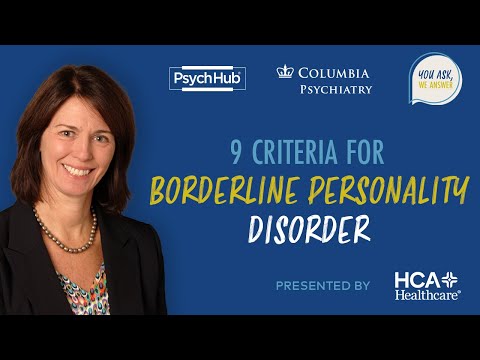
Understanding the 9 Key Symptoms of Borderline Personality Disorder (BPD) According to DSM-5
Understanding Borderline Personality Disorder (BPD) can feel a bit overwhelming, right? But let’s break it down together. The DSM-5 outlines nine key symptoms that help in diagnosing BPD. You don’t have to be a psychologist to get the gist of these, so I’ll explain them simply.
1. Intense Emotional Swings: One core symptom is feeling emotions way more intensely than others. Imagine being on a rollercoaster where every dip and turn is magnified—that’s how these emotions can hit you! You might feel really happy one moment and then suddenly plummet into deep sadness.
2. Fear of Abandonment: People with BPD often have a strong fear of being left alone or abandoned. It can be so intense that even a text message delay might trigger panic. It’s like feeling your heart race just because someone didn’t respond right away.
3. Unstable Relationships: Relationships can be super tumultuous for those with BPD. One minute you love someone entirely; the next, you might think they’re the worst person ever. This push-and-pull dynamic can lead to significant drama and heartbreak.
4. Identity Disturbance: Another symptom includes an unstable self-image or sense of identity. You could find yourself wondering who you really are from day to day—what you like, what you believe in, even how you see yourself physically.
5. Impulsive Behaviors: Engaging in risky or impulsive behavior is common too. This could mean spending money recklessly, binge eating, or even substance abuse—things that, in the heat of the moment, seem like good ideas but often lead to regret later on.
6. Suicidal Thoughts or Self-Harm: This one’s heavy but important; people with BPD may struggle with thoughts of self-harm or suicide as a way to cope with emotional pain. It’s not easy talking about this stuff, but knowing it exists helps us understand the seriousness of their feelings.
7. Feelings of Emptiness: A common experience for those dealing with BPD is this chronic sense of emptiness—a sort of emotional void that nothing seems to fill up no matter what they try.
8. Anger Issues: Intense anger can bubble up unexpectedly and may be hard to control—like flipping a switch from calm to furious in seconds flat over something minor.
9. Paranoia or Dissociation: Sometimes people with BPD may experience paranoia or feelings of dissociation during stress—that’s when they feel disconnected from reality or themselves as if they’re observing their life instead of living it.
So yeah, maybe reading through all this feels like a lot! Just remember that while these symptoms are part of the diagnosis criteria for BPD according to the DSM-5, each person’s experience is different and unique in its own messy way!
Alright, so let’s chat about Borderline Personality Disorder, or BPD for short. It’s one of those things that can sound super complicated, but when you break it down, it makes a bit more sense. The DSM, which is basically the manual the mental health folks use to diagnose different conditions, lays out some specific symptoms for BPD.
You know that feeling when everything seems like it’s either amazing or just falling apart? That’s kinda how life feels for someone with BPD. They often have intense emotions that swing from one extreme to another in no time flat. Like, one minute they’re on top of the world, and the next they’re drowning in sadness or anger. It’s a wild ride.
Then there’s this fear of abandonment that can be really overwhelming. Imagine you’re hanging out with friends and every little thing they do makes you think they’re gonna ditch you. You start overthinking texts and second-guessing phone calls. That can lead to some pretty impulsive actions—like saying things that might push people away even more while desperately trying to keep them close.
I remember talking with a friend who was going through this stuff—she’d tell me how exhausting it was to feel like she had to constantly prove she was worth sticking around for. There were moments when she felt utterly abandoned and others where relationships felt like a whirlwind of love and excitement. That rollercoaster can be so draining!
Another thing on the DSM list is having difficulty with self-image. Sometimes people with BPD struggle to know who they really are or what they want out of life. It’s like trying to look in a funhouse mirror—you see yourself reflected back in a bunch of distorted ways that don’t really feel right.
And let’s not forget about those intense episodes of anger or irritability that can pop up outta nowhere. You might think someone’s mad about something minor when really it’s just built-up feelings spilling over after a hard day.
The thing is, spotting these symptoms isn’t always straightforward; there’s often overlap with other conditions too! And remember—if you or someone you know identifies with these experiences, reaching out for help from a therapist or counselor can make such a difference.
BPD isn’t just some label—it’s an experience that influences lives deeply. Understanding these symptoms offers insight into why people behave the way they do sometimes; it also opens doors for compassion and support as well as healing journeys ahead.