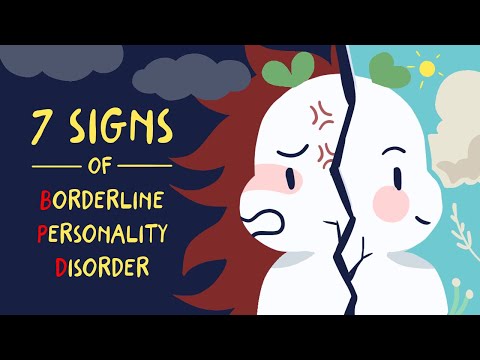
You know, Borderline Personality Disorder (BPD) isn’t something you hear about every day, right? But it’s important. Especially when it comes to women, the symptoms can look a bit different.
Imagine feeling like your emotions are on a rollercoaster that never stops. One minute you’re up, and the next, you’re down. It’s exhausting. And that’s just part of the BPD struggle.
Many women face this challenge quietly, dealing with intense feelings and relationships that shift like quicksand. It can really mess with your head. So let’s break down what those symptoms look like and how they impact life in a way that feels real and relatable.
Exploring Unique Symptoms of Borderline Personality Disorder: A Comprehensive Guide
Borderline Personality Disorder, or BPD for short, is a complex mental health condition that often brings a unique set of symptoms, especially in women. So, let’s break it down a bit, shall we?
First off, people with BPD often experience intense emotional swings. They might feel really happy one moment and then suddenly crash into despair the next. This rollercoaster of feelings can be exhausting. It’s like riding a wave that you just can’t control.
Another key symptom is **fear of abandonment**. Imagine being in a relationship where you constantly worry that the other person will leave you. It’s overwhelming! You might find yourself going to great lengths to avoid situations that could lead to feeling rejected. This fear can cause some pretty rocky relationships.
Then there’s the issue of intense relationships themselves. People with BPD may swing between idealizing someone and then suddenly feeling like that person is terrible or worthless. It’s like flipping a switch! One minute they’re your biggest fan, and the next, they’re doubting your intentions entirely.
**Impulsivity** is another biggie here. This can manifest in ways like spending sprees, reckless driving, or maybe even substance abuse as a way to cope with those ups and downs. It’s kind of like trying to find an escape hatch from all those intense emotions—even if it comes with consequences.
Now let’s talk about **chronic feelings of emptiness**. That can feel pretty isolating. You might hear someone say they feel like there’s a void inside them—like nothing really fills them up emotionally. That sense of emptiness can lead to despair and even self-harm as a way to cope with all those inner feelings.
And then we can’t forget about **emotional dysregulation**. This means having difficulty managing emotions in everyday situations—like overreacting or feeling overwhelmed by stressors that may not even upset others so much. Picture this: Your friend forgets your birthday; instead of feeling disappointed for an hour or two, it feels like the end of the world for days.
Lastly, there are some **cognitive changes**, too—like experiencing anxiety or paranoia when you’re stressed out or having delusions about your identity during tough times when emotions get high.
So yeah—a lot’s going on under the surface here! Living with BPD is no walk in the park; it requires understanding and support from both the person experiencing these symptoms and their loved ones.
To summarize some main points about these unique symptoms:
- Intense emotional swings: Rapid shifts between happiness and sadness.
- Fear of abandonment: Constant worry about being left behind.
- Intense relationships: Alternating between idealizing others and devaluing them.
- Impulsivity: Engaging in risky behaviors as an escape from emotions.
- Chronic feelings of emptiness: A persistent void that’s hard to fill.
- Emotional dysregulation: Difficulty managing daily stresses without overreacting.
- Cognitive changes: Anxiety or paranoia when under stress.
Basically, handling BPD is all about finding ways to manage these symptoms with support from therapists who really get it—all while strengthening personal connections along the way!
Understanding the Daily Impact of Borderline Personality Disorder on Life and Relationships
Borderline Personality Disorder, or BPD as it’s often called, can be a real rollercoaster. And for those living with it—and their loved ones—the daily ups and downs can feel pretty overwhelming. So, what exactly does having BPD mean when it comes to life and relationships? Let’s break this down.
First off, one of the major symptoms you might notice is intense emotional experiences. You know how sometimes a small problem feels like the end of the world? Well, for someone with BPD, emotions can swing from joy to despair in a snap. It’s like they’re on a see-saw that never stabilizes. That unpredictability can make day-to-day life really tricky.
Then there’s the issue of *fear of abandonment*. Imagine feeling like everyone around you is going to leave you at any moment—friends, family, partners. This fear can lead to behaviors that might seem outlandish but are really just a way to cope with that anxiety. You might find yourself clinging desperately to people or going out of your way to avoid conflict just to keep them close.
Another thing? Relationships often have this tumultuous pattern. Like one minute you could be deeply connected with someone; the next minute it feels like they’re your worst enemy. This push-and-pull dynamic stems from not just fear but also an idealization-devaluation cycle where people are seen as either all good or all bad depending on how they’re feeling at that moment.
Now let’s not forget about impulsivity—a common trait in BPD. Engaging in risky behaviors like spending sprees or reckless driving could happen when those intense emotions take over. It’s almost like trying to escape feelings; however, these impulsive choices can lead to long-term repercussions and further complicate relationships.
In terms of identity—well, that’s another complex layer for folks with BPD. They may struggle with knowing who they really are or what they want out of life. It’s like looking in a funhouse mirror; reflections change constantly based on mood and circumstances. You might hear them say things that sound contradictory because they’re still trying to figure themselves out.
Living this way doesn’t just affect individuals—it spills over into their relationships too:
- Trust issues: Constantly worrying if others are being sincere.
- Communication breakdowns: Difficulty sharing thoughts leads to misunderstandings.
- Emotional drains: Friends and partners may feel exhausted trying to keep up.
Take Sarah—a friend I know who has been open about her journey with BPD. Some days she feels on top of the world and engages in deep conversations about her dreams; other days she spirals into sadness over minor conflicts that seem trivial but hit hard for her emotionally. Her loved ones have learned patience but still struggle sometimes when her moods shift suddenly.
It’s important for anyone involved—whether it’s partners, friends, or family—to learn about these challenges and figure out ways to support without losing themselves along the way! Building strong boundaries while remaining compassionate becomes key here.
So yeah, understanding Borderline Personality Disorder goes beyond recognizing symptoms; it means grasping how deeply these elements influence daily life and interactions with others—as challenging as that may be!
Understanding BPD Episodes: Signs, Symptoms, and Insights into Borderline Personality Disorder
Borderline Personality Disorder, or BPD, can feel like navigating a really intense emotional rollercoaster. Seriously, the ups and downs can be pretty overwhelming. If you or someone you care about deals with BPD, understanding its episodes is key to coping and finding some stability.
People with BPD often experience intense emotions. It’s like being on high alert all the time. One minute you might feel overjoyed, and the next you’re in deep despair. This emotional instability is a hallmark of the disorder. Just imagine feeling like your mood could swing wildly based on a small comment from a friend or even an unexpected text.
The signs of these emotional episodes can vary widely but typically include:
- Intense Anger: You know those moments when everything just gets too much? That’s what anger feels like for someone with BPD—like a volcano ready to erupt.
- Fear of Abandonment: This can be all-consuming. A missed call might trigger thoughts of rejection or abandonment, making it hard to maintain relationships.
- Rapid Mood Swings: Feeling happy one moment and deeply sad the next isn’t just dramatic; it’s part of the disorder.
- Unstable Relationships: Relationships tend to be intense but short-lived—think passionate highs followed by deep lows that leave both partners exhausted.
- Feelings of Emptiness: That nagging feeling that something is missing inside can lead to searching for fulfillment in unhealthy ways.
For women specifically, these symptoms might play out differently due to societal expectations and pressures. Women may face stigma or misunderstanding when they express their emotions, which can deepen feelings of isolation. One friend I know had these moments where she felt invisible in a room full of people just because they didn’t get her struggle—the frustration was real.
During episodes, behaviors might get impulsive, like sudden spending sprees or risky decisions that you wouldn’t usually make. It’s almost as if in those moments, the need for relief overtakes everything else—like trying to soothe an unbearable tension inside.
Sometimes people with BPD engage in self-harm during particularly dark episodes as a way to cope with their pain. This isn’t about wanting attention; it’s often more about managing unbearable feelings that can’t be put into words.
Cognitive distortions are also part of the mix here—the way you see things gets skewed sometimes. You might feel betrayed by someone who isn’t doing anything wrong at all; it’s more about how your mind interprets their actions based on past experiences.
Understanding these signs helps not only those living with BPD but also friends and family who want to provide support without judgment. Communication becomes crucial during these times; having open conversations can sometimes stave off misunderstandings before they escalate into chaos.
You know, getting help from professionals trained in dealing with BPD is super important too! Therapy options like Dialectical Behavior Therapy (DBT) focus on skills for managing emotions better and improving relationships.
Remember that you’re not alone if you’re dealing with this—it may feel isolating at times, but there are communities and resources out there ready to support you through all the highs and lows of living with Borderline Personality Disorder.
Borderline Personality Disorder, or BPD for short, can be a tough topic. When we talk about symptoms, like intense emotional swings or struggles with relationships, it’s easy to oversimplify things. But if you’re looking at how this disorder manifests in women specifically, it gets even trickier.
You might know someone who’s been labeled as “overly emotional” or “dramatic.” Often, that’s a shorthand way of dismissing some really complex feelings. Women with BPD often experience emotions like they’re on a rollercoaster. One minute they might feel on top of the world; the next, they’re sinking into despair over something that seems small to others. It’s not just moodiness; it’s like feeling everything deeply and intensely—sort of like having your heart outside your chest.
I remember chatting with a friend who had been diagnosed with BPD. She told me about how hard it was to navigate friendships. One day she’d feel so connected to someone and the next, she’d panic that they’d leave her. That fear just loomed over everything. It took her a lot of work in therapy to understand those feelings and not let them dictate her life.
There’s also this sense of identity struggle that women with BPD can face. They might grapple with self-image issues or constantly feel like they don’t know who they are. Imagine trying on different masks every day but never feeling comfortable in any of them; that’s kind of what it’s like.
The stigma around emotional vulnerability doesn’t help either. Society often pushes women to be the caretakers—strong and composed all the time—so when someone feels emotions intensely or reacts strongly, the response can be harsh rather than supportive.
What makes it all even trickier is that these experiences can lead to misunderstandings in relationships. Friends may pull back when faced with those emotional challenges instead of offering support, leaving women feeling isolated when they need connection most.
So yeah, if you’re trying to understand this stuff better—whether for yourself or someone you care about—just remember: it’s messy and complicated but also deeply human. These emotions deserve recognition and kindness rather than judgment or dismissal. There’s strength in seeking help and learning how to navigate this stormy sea together.