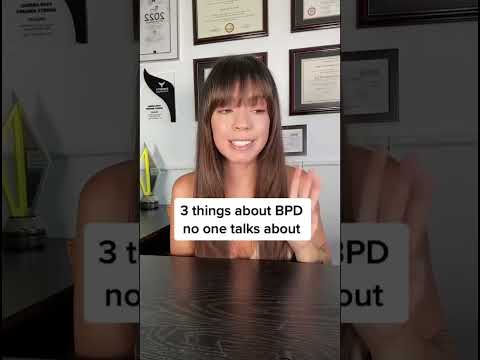
You know that feeling when you scroll through TikTok, and suddenly you stumble upon a video that just clicks?
Well, for a lot of people with Borderline Personality Disorder (BPD), that’s exactly how it feels when they find content related to their experiences.
It’s like, finally, someone gets it!
In this wild world of social media, TikTok has become this unexpected haven for insights and support around BPD.
People are sharing their stories—raw, real, and totally relatable.
And let’s be honest, sometimes just knowing you’re not alone in your feelings can change everything.
So grab a snack and let’s chat about how these conversations are shaping understanding and building community.
Understanding BPD: Social Media Behaviors and Their Impact
- Borderline Personality Disorder (BPD) is a complex mental health condition. It often involves intense emotions, unstable relationships, and an unclear sense of self. People with BPD may struggle with feelings of emptiness and fear of abandonment.
- Social media, especially platforms like TikTok, has become a space for people with BPD to express themselves. You might see videos where individuals share their experiences or coping mechanisms. This can help create a sense of community.
- BPD conversations on TikTok can sometimes paint an oversimplified picture of the condition. Because videos are short, they often focus on the dramatic or extreme aspects rather than the daily struggles.
- An example might be someone sharing their emotional reactions during a day when they felt rejected. While it’s valid to feel that way, it doesn’t represent every moment for someone with BPD. The thing is, these snippets don’t tell the whole story.
- The impact of these portrayals can go both ways. On one hand, it offers support for those feeling isolated in their struggles. On the other hand, it can lead to misunderstandings about what living with BPD truly means.
- You might come across memes or trends that romanticize the chaos associated with BPD. While humor can be helpful in coping, it’s crucial not to glamorize behaviors that hurt oneself or others.
- There’s also this risk of people misdiagnosing themselves. With so much information out there—and some of it being misleading—someone might say they’re “BPD” just because they relate to a few traits when they haven’t been formally diagnosed.
- This brings us to community support—one of social media’s bright spots! You can find groups that share strategies for managing symptoms or coping through mindfulness practices. Connecting with others who get it helps combat loneliness and build understanding.
- BUT remember: your experience is unique! So while TikTok can be a great resource for insight and connection, it’s equally important to seek professional guidance if you’re struggling or suspect you have BPD.
Overall, social media acts as both a mirror and a magnifier for BPD conversations. It reflects real struggles while intensifying misunderstandings at times. Engaging thoughtfully in these spaces is key—whether you’re sharing your journey or learning from others’.
Understanding Accountability: Do Individuals with BPD Own Their Actions?
It’s a pretty complex question, isn’t it? When we talk about someone with Borderline Personality Disorder (BPD), the idea of accountability comes up a lot. So, do people with BPD really own their actions? Well, it’s not a black-and-white situation. Let’s break it down.
First off, BPD is characterized by intense emotional experiences. Imagine feeling every emotion like it’s turned up to eleven. This can make it super tough for someone to respond to situations like others might. They might react in ways that seem impulsive or extreme because their feelings are overwhelming.
Then there’s this idea of emotional dysregulation. What happens is that individuals with BPD may struggle to manage their feelings effectively. They can go from feeling happy one second to feeling really low the next, and sometimes they don’t even know why. It’s like riding an emotional rollercoaster without any brakes.
Now, this doesn’t mean they’re entirely absolved of ownership over their actions though. People with BPD can learn about their emotions and behaviors through therapy. That’s where DBT—or Dialectical Behavior Therapy—comes into play. It helps them develop skills in recognizing and managing these intense emotions while also teaching them how to communicate better when things get tough.
But here’s the kicker: even with all this knowledge and support, behavior change isn’t always instant or easy. You know how sometimes you make a snap decision and later think, “What was I thinking?” Well, someone with BPD might experience that on a whole different level because of these emotional swings.
It’s crucial to recognize that accountability looks different for everyone. Someone working through BPD might genuinely struggle to take responsibility immediately after an incident because they’re just trying to process what happened — emotions are high!
In online spaces like TikTok, you’ll often see discussions where folks share personal stories about living with or supporting someone with BPD. These conversations can be really eye-opening! They often highlight the importance of empathy and understanding rather than just assigning blame.
Communication is vital here too. When discussing accountability in these contexts, it helps if both parties recognize that sometimes behaviors are influenced by an underlying condition like BPD but are still open for discussion afterward without judgment.
So yeah, when we’re talking about accountability for individuals with BPD, it’s less about labeling them as «good» or «bad» for their actions and more about helping them understand their feelings and choices over time while allowing space for growth and learning from mistakes.
In summary:
- BPD creates intense emotional experiences, making reactions sometimes seem impulsive.
- Emotional dysregulation can complicate how individuals own their actions.
- Therapy helps, but change is a process.
- Accountability varies based on understanding. Conversations around it can promote empathy.
So basically, it’s complicated but definitely worth exploring together!
Understanding Social Behaviors of Individuals with BPD: Insights and Dynamics
Understanding social behaviors of individuals with Borderline Personality Disorder (BPD) can be a real eye-opener. Many people are trying to figure out what’s going on, especially with all the conversations happening on platforms like TikTok. It’s like, you get this whirlwind of insights and community support from folks sharing their experiences. What’s the deal with that? Let me break it down for you.
First off, BPD is characterized by intense emotions and unstable relationships. People with BPD often feel things deeply. One minute they could be on cloud nine, and the next, they feel abandoned or rejected. It’s like riding a rollercoaster that never stops! This emotional intensity can make social interactions pretty complicated.
In these conversations online, you’ll notice how individuals share their feelings about relationships. Sometimes they talk about fear of abandonment or how they often misinterpret others’ actions.
They may think “Oh no, they must hate me!” rather than considering that maybe life just got busy.
Another big theme you’ll see is the push-pull dynamic. This refers to the way some people with BPD might crave intimacy one moment but then push others away the next. It’s not about being difficult; it’s just how they cope with their fears and emotions. They might say something like “I really want you around” only to later feel overwhelmed and shut down.
This leads to another common behavior:
One minute, someone might see their partner as perfect; the next? Not so much! This can be super hard for relationships because friends or partners may feel whiplash trying to keep up.
Then there’s the aspect of communication style. People with BPD often have a hard time expressing what they need in relationships. They might come off as overly dramatic or sensitive when all they’re really trying to do is connect. So when you’re scrolling through TikTok and watching these heartfelt stories, remember: they’re trying to share what feels real for them even if it seems overwhelming sometimes.
In these online communities, support is crucial. It helps people feel seen and understood without judgment. A simple comment saying “I get it” can mean more than we realize!
People find strength in knowing they’re not alone in this struggle.
When engaging with someone who has BPD—or even talking about it in a broader sense—remember this isn’t just about symptoms or behaviors; it’s about human experiences filled with ups and downs. Those who open up on platforms like TikTok are sharing pieces of themselves in hopes of building understanding within their communities.
So next time you’re looking through social media discussions on BPD, keep an open mind and heart. The complexity behind each post reflects real-life challenges—and triumphs—in navigating emotions and relationships that many face every day.
So, like, have you noticed how TikTok has become this hub for people chatting about mental health? It’s kinda wild. Among all the dances and trends, there’s this vibrant community discussing borderline personality disorder (BPD), sharing personal stories and insights. Honestly, it feels a bit like a virtual support group.
I remember scrolling through my feed one day and stumbling upon a video where someone shared their experience with BPD. They were so open about the ups and downs—the emotional rollercoaster, the struggles with relationships. It hit home. I mean, we all have our battles, right? Hearing someone speak candidly about their challenges can be so validating.
What really stands out is how these conversations seem to create a sense of belonging. You see comments like “I feel this” or “Same here,” and it’s like a little lightbulb moment for so many viewers. People are reaching out to each other, finding solidarity in shared experiences. It’s heartening to know you’re not alone in what you’re going through.
But there’s also a flip side. Sometimes, the videos can oversimplify complex emotions or experiences. While they raise awareness and foster connection, they can also lead to misunderstandings about what living with BPD really entails. Not everyone’s journey is the same; there are layers that can get lost in brief clips.
Still, I think TikTok has opened up discussions that traditionally might’ve stayed behind closed doors. People are exploring terms like “emotional dysregulation” or “splitting,” phrases that might’ve felt heavy before but now seem more accessible thanks to engaging content creators breaking it down into bite-sized pieces.
In the end, these conversations on TikTok aren’t just entertaining—they matter! They’re helping people learn more about themselves and others while creating connections within the community. And honestly? That kind of support can be incredibly powerful when you’re navigating life with BPD or any mental health challenge for that matter.