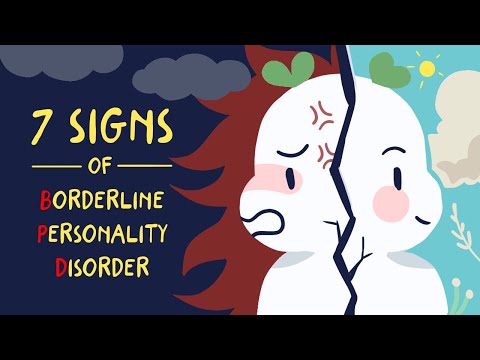
So, you know that feeling when your emotions are all over the place? One minute you’re flying high, and the next, you’re crashing down. It can be confusing, right? Well, that’s a little taste of what some folks with Borderline Personality Disorder (BPD) experience.
It’s not just about mood swings; it goes deeper. Think about intense relationships that go from “I love you” to “I can’t stand you” in no time flat. Sounds exhausting, doesn’t it?
Understanding BPD is important. Because when you get it, you can really help yourself or someone you care about. There’s way more to this than meets the eye. So let’s dive in and break down those key traits together!
Understanding Borderline Personality Disorder: Key Traits and Symptoms Explained
So, Borderline Personality Disorder (BPD), huh? It’s a pretty complex and often misunderstood condition that affects a lot of folks. If you or someone you know is dealing with this, it can feel a bit like riding an emotional rollercoaster. But let’s break it down, so it makes more sense.
What is BPD? It’s primarily characterized by intense emotions and unstable relationships. People with BPD often struggle with their self-image, experience severe mood swings, and have difficulty maintaining stable relationships.
One of the key traits is emotional instability. You might feel happy one moment, then deeply sad or angry the next. It’s not just “having a bad day” but rather intense feelings that can shift really quickly—like when your favorite song suddenly reminds you of a painful memory.
Another major aspect is fear of abandonment. If you have BPD, you might go to great lengths to avoid being left alone or rejected. Imagine feeling so scared that even a friend cancelling plans makes you panic about whether they really care about you.
Then there’s impulsivity. This can show up in risky behaviors—like spending sprees, unsafe sex, or substance abuse. So maybe you buy something expensive on a whim because you’re feeling overwhelmed? That impulsive choice can add to feelings of guilt later on.
Interpersonal relationships are often tumultuous for people with BPD. You might swing between idealizing someone and then suddenly feeling like they’re the worst person ever—often over minor disagreements. One minute they’re perfect; the next, they seem like an enemy. That kind of back-and-forth can be exhausting!
Let’s talk about identity disturbance. Folks with BPD often struggle with understanding who they really are, which can lead to sudden changes in self-image or values. Like one day you love art and the next you’re convinced it’s dumb—it’s super confusing and frustrating.
Self-harm behaviors also come up frequently in conversations about BPD. Some people might hurt themselves as a way to cope with overwhelming emotions or express their inner pain. It sounds alarming, but for some, it feels like the only way to release those bottled-up feelings.
And don’t forget about those intense moods! You could go from feeling super elated one moment to experiencing despair within hours—or even minutes! It feels like your emotions are on fast-forward and it can be hard for others to keep up (or even understand).
Recognizing these traits is crucial because many times people might think someone with BPD is just being dramatic or difficult when in fact they are experiencing real pain and confusion inside.
So yeah, if any of this resonates with you or someone close to you—and that’s totally valid—it could be worth looking into talking to a mental health professional who understands BPD better. They can provide support and tailor treatment options that work best for managing these symptoms effectively.
Understanding Borderline Personality Disorder: Real-Life Examples and Insights
Borderline Personality Disorder (BPD) is one of those mental health conditions that can really mess with someone’s life, you know? It’s like riding a roller coaster where the highs are exhilarating but the lows can leave you feeling completely shattered. Understanding this disorder means getting to know its key traits and how they show up in real life.
Emotional Instability stands out as a hallmark of BPD. People with this condition often experience intense emotions that shift rapidly. Imagine having a great day one minute and feeling utterly hopeless the next, without any clear reason why. This emotional turbulence can lead to impulsive actions, like making rash decisions or saying things you later regret.
Fear of Abandonment is another major trait. Picture someone who constantly worries that people will leave them, even if there’s no real sign of it happening. This fear can lead to clinginess or, on the flip side, pushing others away before they have a chance to leave. It creates this awful cycle that traps both the person with BPD and their loved ones in a game of emotional ping-pong.
- Relationship Issues: Relationships often feel rocky for those with BPD. They may swing from idealizing someone to suddenly devaluing them. One minute, that friend is the best thing since sliced bread; the next, they’re viewed as entirely unreliable.
- Self-Image Problems: Folks with BPD frequently struggle with a shaky sense of identity. Imagine waking up one day thinking you’re going to be an artist and the next wanting to be a mathematician—it’s exhausting!
- Impulsive Behaviors: This impulsivity might look like spending sprees or risky sexual behavior—things done without much thought about the consequences.
A classic example would be Sara, who has BPD and often finds herself in this emotional whirlwind after small disagreements with friends. One evening, her best friend cancels plans at the last minute due to work commitments. Sara spirals into panic, thinking her friend doesn’t care about her anymore. She might send angry texts or even sever ties altogether just to avoid being hurt again. Later on, she feels guilty and regrets her reaction but struggles to maintain control of these overwhelming feelings.
This disorder isn’t just emotional chaos; it also creates incredibly challenging situations in daily life. Those impacted might experience chronic feelings of emptiness—it’s like being stuck in a fog where nothing feels fulfilling anymore. And let’s not forget about self-harm behaviors; some people resort to hurting themselves as a way to cope with emotional pain which is heartbreaking.
Therapy plays a key role in managing BPD symptoms—specifically **Dialectical Behavior Therapy** (DBT). This approach helps individuals learn skills for managing emotions more effectively while enhancing their ability to tolerate distress, something many struggle with deeply.
If you know someone grappling with Borderline Personality Disorder—or if you’re navigating it yourself—understanding these traits can pave the way for empathy and support that can make all the difference in someone’s recovery journey!
Understanding the Symptoms of Borderline Personality Disorder in Women: Key Signs to Recognize
Certainly! Let’s break down Borderline Personality Disorder (BPD) and highlight some symptoms specifically in women. It’s a complex condition, and recognizing these signs can make a huge difference in understanding yourself or someone you care about.
Intense Emotions: One of the most prominent traits of BPD is experiencing emotions so intensely that it can feel overwhelming. You know that feeling when you’re super happy one moment, and then suddenly, you’re in tears the next? That’s pretty common. Women with BPD may struggle with these emotional rollercoasters, often feeling abandoned or rejected very easily.
Fear of Abandonment: This fear is like an unwelcome guest that just won’t leave. Women might go to great lengths to avoid being left alone or rejected. They may cling tightly to loved ones or push people away first to protect themselves from getting hurt. It’s a complicated dance of wanting connection while also fearing it.
Unstable Relationships: Relationships can be pretty tumultuous for someone with BPD. Imagine having friends or partners one week and feeling completely distanced from them the next. You might idealize someone one minute, then think they’re horrible the next. These quick shifts can leave both sides feeling confused and hurt.
Self-Image Issues: A woman with BPD might struggle with an unstable sense of self, which means her self-image could frequently change based on her mood or environment. Ever feel like you don’t really know who you are? For some, this feeling is much more intense—like drifting through life without a solid anchor.
Impulsive Behaviors: Impulsivity is another sign to look out for. This could manifest as spending sprees, risky driving, or even substance abuse. It’s like having moments where logic gets tossed out the window because the need for emotional relief feels too strong to resist.
Many women with BPD are incredibly sensitive to feedback, even if it’s constructive (or well-meaning!). A small comment might feel like a dagger; it can make them question their worth entirely.
Sometimes when things get too intense emotionally, a person might find themselves feeling detached from reality—a bit like watching life unfold rather than being part of it. This dissociation can be disorienting and frightening.
Many women report feeling empty inside as if there’s something missing in their lives that they just can’t quite grasp.
Recognizing these symptoms is key! But remember: not everyone with BPD will display all of these traits all the time; it’s different for each person. Plus, it’s always important to approach mental health topics with compassion and understanding—there’s no “one size fits all” here! If you’re concerned about yourself or someone else regarding these symptoms, reaching out for help is always a good idea!
Borderline Personality Disorder, or BPD for short, is one of those conditions that can feel pretty hard to pin down. You know? It’s like trying to catch smoke with your bare hands. People often think it’s just about being moody or dramatic, but it’s way more than that.
So, if you ever find yourself in a conversation about BPD and someone starts tossing around terms like “emotional instability” or “fear of abandonment,” just know it doesn’t really capture the whole picture. Imagine feeling like your emotions are a roller coaster—up one moment and down the next. That’s what it can feel like for someone living with BPD. They might experience intense feelings, not just of sadness but also of anger and anxiety.
I remember a friend of mine who struggled with this. One minute she’d be laughing and sharing the silliest stories over coffee, and the next, she would pull away completely, feeling miserable as her mind raced with thoughts that no one cared about her. It was heartbreaking to witness because you could see how much she wanted connection but felt trapped by these overwhelming fears.
And then there’s this thing called “splitting.” This is when people see things in black-and-white terms: you’re either amazing or terrible—there’s no in-between! So friendships or relationships could flip-flop from love to hate very quickly. It can make connections super complicated because you never know what version of someone you’re going to get!
Another tricky part? Impulsivity! People might engage in risky behaviors, whether that’s spending too much money on a whim or diving headfirst into unstable relationships without thinking it through. It’s almost like their emotional radar is on overdrive, seeking out anyone who can help them feel grounded even if that person isn’t really good for them.
And let’s talk about identity issues, too! A person with BPD might struggle to see themselves clearly; they could change their goals, values, or even friends based on how they’re feeling at any given moment. You know how we all go through phases? For them, it’s not just a phase; it’s more chaotic and unstable.
So yeah, recognizing these key traits can make such a difference—not just for understanding what someone with BPD might be experiencing but also for supporting them better. It’s all about compassion and patience because underneath all that turmoil is a person looking for love and stability just like anyone else.
If we keep an open heart while learning about this condition—without judgment—we can help those affected feel seen in ways they often don’t think they can be.