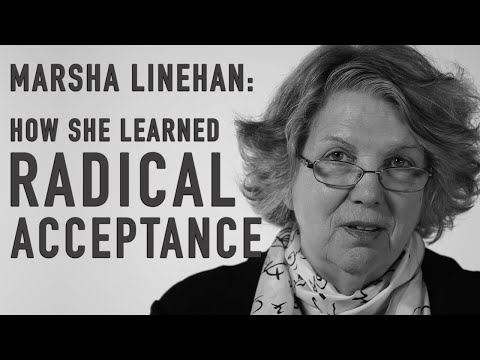
You know how life throws stuff at you sometimes? Like, unexpected challenges that just make you go «what the heck?»
Well, that’s where something called Radical Acceptance comes in. It’s not some fancy therapy buzzword. It’s a way to say, “Okay, this is the situation.”
Imagine facing really tough emotions without trying to fight them or push them away. Sounds easier said than done, right?
But seriously, embracing this mindset can be life-changing. It’s like giving yourself permission to feel everything—good and bad—without judgment.
So let’s chat about what Radical Acceptance really means and how it can fit into your mental health journey.
Mastering Radical Acceptance: The Three Essential Steps for Mental Well-Being
Mastering radical acceptance is like giving yourself a big hug when life feels tough. It’s about fully accepting reality, even when it stings, instead of fighting against it or wishing things were different. This concept comes from mindfulness practice and can really help with mental well-being. Let’s break down the three essential steps of radical acceptance that can make a difference in your journey.
1. Acknowledge Your Feelings
First off, you gotta recognize what you’re feeling. Denying emotions can be like putting a Band-Aid on a huge wound—it might cover it up temporarily, but it’s still there festering. When something happens that throws you off balance—like losing a job or going through a breakup—it’s crucial to sit with those feelings. You know? Allow yourself to feel sad, angry, or confused without judgment.
For example, imagine you got dumped unexpectedly. Instead of pretending you’re fine and acting all cool at work, let yourself feel hurt or disappointed for a bit. Talk about it with friends or journal your thoughts out loud.
2. Understand What You Can’t Change
Next up is the tough part: recognizing what is beyond your control. Life throws curveballs that are out of our hands—like the actions of others or natural disasters—and that can leave us feeling powerless and frustrated.
Take the pandemic as an example; many people lost jobs or had to shift their plans completely because of circumstances they couldn’t change. Accepting these new realities doesn’t mean you’re giving up; it means you’re choosing to focus on what you CAN do instead of what you can’t control.
3. Take Action Where You Can
After accepting your feelings and what’s uncontrollable, the third step is taking proactive steps in areas where you still have power. This might look different for everyone based on individual situations.
Let’s say after that breakup earlier—it would be really easy to just wallow for days binge-watching sad movies. But radical acceptance calls for action! Maybe you start exploring hobbies you’ve neglected or reach out to friends just to have some laughs together.
It’s important to remind yourself: moving forward doesn’t mean forgetting what happened; it means finding ways to live fully despite those experiences.
Incorporating radical acceptance into your life isn’t always easy—seriously! There will be days when it feels impossible, but remember: each small step counts toward better mental health and emotional resilience. You follow me? So give these steps a shot; they might just help lighten some burdens!
Understanding the 4 Stages of Acceptance: A Guide to Emotional Healing
So, let’s talk about the four stages of acceptance, especially in the context of emotional healing. This journey is all about embracing your feelings and experiences, which can be super tough sometimes. But hey, it’s definitely doable!
First off, it’s important to know that this isn’t a straight line. You might find yourself bouncing back and forth between these stages. And that’s totally okay! So here we go.
1. Shock and Denial
In this initial stage, you’re hit with overwhelming emotions. Everything feels surreal. Like you’re just floating in a haze, trying to make sense of things that don’t seem real. You might find yourself saying things like “This can’t be happening” or “I’m fine; I don’t need help.”
For instance, think about someone who just lost a job they loved. They might refuse to accept that it’s over and hold on to false hope that they’ll get re-hired any minute now.
2. Pain and Guilt
As you start to realize what’s really going on, those feelings can morph into sadness or even guilt. You might dwell on what you could have done differently or how your situation affects others around you.
Like imagine someone dealing with a breakup; they could spiral into guilt thinking they should’ve done more to save the relationship.
3. Anger and Bargaining
Now comes the fire! This stage brings out frustration toward yourself or others—anyone involved in your situation really. You may find yourself thinking things like “Why me?” or “If only I had…”. It’s kind of like trying to negotiate with life itself.
Let’s say a person is dealing with an illness; they might get mad at themselves for not taking better care of their health before getting sick, wishing they could turn back time.
4. Acceptance
And here we are—the final stage! Acceptance doesn’t mean you’re okay with everything that happened; it just means you’re ready to move forward despite it all. It can feel liberating!
For example, after some time has passed following a loss, someone may start honoring their feelings while looking toward new opportunities ahead—maybe even starting new hobbies or reconnecting with friends.
So look, these stages are part of a process called Radical Acceptance, which comes from Dialectical Behavior Therapy (DBT). It encourages embracing reality as it is—even if it hurts—instead of fighting against it.
Embracing each stage can be like peeling an onion; each layer can bring some tears but ultimately makes way for growth and understanding within yourself.
Know that everyone heals differently—so give yourself grace during this wild ride called life! And hey, if things feel heavy at times? Don’t hesitate to reach out for support from friends, family or professionals who understand what you’re going through. You deserve all the help you need on your path towards healing!
Understanding Radical Acceptance: A Comprehensive Summary of Tara Brach’s Insights
Radical acceptance is a concept that’s pretty powerful. Developed by Tara Brach, a clinical psychologist and meditation teacher, it offers a way to deal with pain and suffering. You know how life throws curveballs at you? Sometimes, we resist what’s happening, trying to fight back against reality. But that only adds more stress. This is where radical acceptance steps in.
Basically, it’s about saying, “Okay, this is what’s going on.” You’re not ignoring your feelings or circumstances; you’re just accepting them without judgment. It sounds simple, but trust me, it can be tough.
When you practice radical acceptance, it’s like letting go of the struggle against your situation. Imagine you’re dealing with something tough—like losing a job or going through a breakup. Instead of spiraling into negative thoughts or dwelling on «why me?», radical acceptance encourages you to acknowledge the hurt and discomfort that comes with it.
Here are some key points to grasp this concept better:
- Awareness: Start by noticing what you’re feeling. You have to be honest with yourself about your emotions.
- Acknowledging Reality: Accept things as they are right now—not how you wish they were.
- No Judgment: Avoid criticizing yourself for feeling the way you do; everyone goes through rough patches.
- Compassion: Extend kindness towards yourself. It’s okay to feel pain; it’s part of being human.
- Letting Go: Release the need to control everything. Some things are just out of our hands.
Let’s take an example here: picture someone who just found out they have a chronic illness. It’s devastating news! But focusing on what they can’t change will only add more suffering—worrying nonstop about their future or comparing themselves to healthier people.
Instead, if they practice radical acceptance, they might say something like, “This is my current reality.” They still feel the sadness and fear—those emotions are totally valid—but instead of getting stuck in them, they start navigating life differently from there. Maybe they look for support groups or learn about their condition rather than wallowing in despair.
Remember that radical acceptance doesn’t mean giving up hope; it’s not about saying everything is fine when it clearly isn’t. It’s an honest acknowledgment that leads to real change in perspective.
The journey toward embracing radical acceptance can come with ups and downs—it takes practice! But over time, many people find it liberates them from unnecessary suffering and helps them find peace amid chaos.
So if you’re wrestling with some heavy stuff right now—or even just everyday frustrations—consider giving this approach a shot. You might surprise yourself with how much lighter things can feel when you stop fighting reality and start accepting it for what it is.
You know, embracing radical acceptance in your mental health journey can feel like a big deal. It’s like that moment when you finally let go of fighting against what is and just say, “Okay, this is where I’m at right now.” Honestly, it sounds easier than it is.
I remember a friend of mine who struggled with anxiety. She was always on edge, trying to control every little thing around her, thinking if she did, maybe those anxious feelings would just… disappear. But instead, it just left her exhausted and frustrated. One day, she stumbled upon this whole idea of radical acceptance. It was kind of a game-changer for her.
Radical acceptance isn’t about saying what’s happening is okay or that you like it; it’s more about recognizing reality for what it is without the added struggle. Like, imagine standing in the rain. You could keep saying “I hate the rain!” while getting soaked or just accept that it’s raining and figure out how to deal with it – maybe by grabbing an umbrella or finding some cover.
That doesn’t mean giving up or rolling over; rather it’s about acknowledging your feelings and experiences without judgment. You might feel sad, anxious, or even angry sometimes—and guess what? That’s totally normal! Accepting those emotions doesn’t mean you’re stuck with them forever; it’s more like opening the door so they can flow through instead of wrestling with them all the time.
When my friend started practicing radical acceptance, she found a surprising amount of freedom in recognizing how things were instead of how they «should» be. It allowed her to stop beating herself up for feeling anxious and start focusing on what she needed in those moments—like reaching out to friends or even taking time for herself.
It’s not some magic cure-all; you won’t suddenly awaken one day full of joy after accepting your reality. But each small step toward that acceptance can help lighten your load bit by bit. And let’s be honest: acknowledging where we are right now might just lead us to some pretty amazing insights about ourselves along the way.
So yeah, embracing radical acceptance isn’t always easy, but when you do give it a shot? It can shift how you interact with your own mind and emotions!