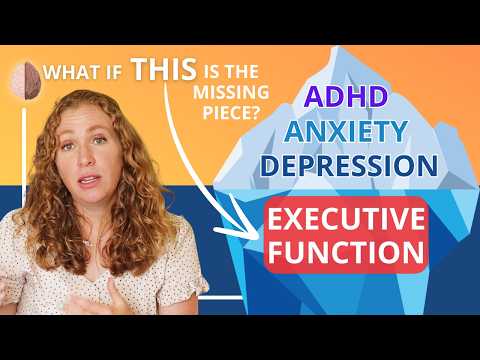
You know those days when you feel like your brain’s running in a million directions? Like, you can’t focus on anything? Yeah, we’ve all been there.
Executive functioning is that behind-the-scenes superhero in your brain. It helps you plan, organize, and just keep your life on track.
But when it’s not working quite right, everything can feel a bit overwhelming. You might struggle to get things done or even remember why you walked into a room! Seriously, it happens to the best of us.
Let’s chat about how boosting that executive function can seriously improve your mental health. Because who doesn’t want a little more clarity and control in their lives?
Boosting Mental Health: Practical Examples to Enhance Executive Functioning
Boosting your mental health is a big deal, right? One way to do that is by enhancing your executive functioning. Executive functioning is like the brain’s air traffic controller. It helps you manage tasks, make decisions, and regulate emotions. When it’s in tip-top shape, you can really feel the difference in your day-to-day life.
So, what can you do to improve this? Here are some practical examples:
- Set Clear Goals: Break down big tasks into smaller steps. It’s way easier to tackle a project when you know exactly what needs to be done first. Think about planning your week ahead. Instead of “clean the house,” say “clean the kitchen today.”
- Use Visual Aids: Sometimes our brains need a little nudge! Use sticky notes or digital reminders to keep important tasks front and center. You know those bright yellow post-its? They’re lifesavers for remembering things like meeting times or grocery lists.
- Practice Mindfulness: Mindfulness exercises can help improve focus and emotional regulation. Try taking a few minutes each day just to breathe deeply and center yourself. You might be surprised at how much clearer your mind feels after this.
- Establish Routines: Creating daily routines can really streamline your thought processes. When you have a predictable schedule, it takes less mental energy to figure out what comes next. Plus, it brings a little stability into your life.
- Limit Distractions: This one’s huge! Distractions take away our focus and mess with our executive functioning. Try turning off notifications on your phone or finding a quiet place where you can concentrate without interruptions.
- Get Enough Sleep: Never underestimate the power of shut-eye! Sleep affects all aspects of mental health, including executive function. Aim for 7-9 hours of good quality sleep each night.
Let’s say you’ve had a day where everything feels jumbled up in your head – work deadlines and family obligations swirling around like leaves in the wind. You might find that by taking just five minutes to jot down what’s bothering you helps clear up that mental clutter.
Taking these steps might not change everything overnight, but slowly incorporating them into your life can lead to solid improvements in how you manage tasks and emotions. And hey, that feels pretty good! It’s about building better habits over time so you’re not feeling overwhelmed constantly.
So basically, improving executive functioning is like giving yourself tools for mental clarity and control. With just a little effort here and there, you’ll likely find that managing daily life becomes easier—and who wouldn’t want that?
Understanding Executive Functioning Disorder: Signs, Symptoms, and Strategies for Better Mental Health
So, let’s talk about executive functioning disorder. It sounds all fancy and technical, but in reality, it’s just about how your brain gets stuff done. You know those moments when you can’t seem to focus, plan, or keep track of all your tasks? That’s what we’re dealing with here.
Executive functioning includes a bunch of skills that help us manage our thoughts and actions. It’s like the brain’s command center. But when something’s off in that area, it can really mess with your day-to-day life.
Signs & Symptoms
First up, let’s break down some of the signs and symptoms you might notice:
- Poor organization: You might find yourself constantly misplacing things or struggling to keep your space tidy.
- Difficulty planning: Maybe making a schedule seems overwhelming or you often forget appointments.
- Impulse control issues: Acting without thinking can lead to regrets later on.
- Trouble focusing: Staying on task feels like trying to catch smoke with your bare hands.
- Problems with memory: Forgetting important details or instructions happens more often than not.
I remember chatting with a friend who felt completely lost when it came to managing her work tasks. Each morning was a battle as she stared at her never-ending to-do list that somehow never got shorter. Sound familiar?
The Impact
Now, these symptoms can seriously affect your mental health. Imagine feeling overwhelmed by everyday tasks just because your brain isn’t communicating properly with itself. Anxiety and frustration become constant companions. You’re not lazy; you’re struggling.
Strategies for Better Mental Health
So what can you do about this? Here are some strategies that could help:
- Create routines: Establishing daily habits helps reduce the chaos in your mind.
- Break tasks into smaller steps: Tackle big projects bit by bit instead of just staring at them as one enormous mountain.
- Use reminders: Sticky notes or apps on your phone can keep important things in sight and in mind.
- Avoid distractions: Find a quiet spot where you can focus without all those notifications buzzing at you.
- Practice mindfulness: This can improve attention and help calm those racing thoughts.
A friend once told me she started using a planner app—at first, she thought it was silly, but then it became her lifeline! Suddenly, she was getting stuff done without the usual stress.
Getting support is huge too—talking through challenges with someone can lighten the load even if it’s just venting over coffee. Sharing experiences makes everything feel a little less heavy.
In short, executive functioning disorder is tricky but manageable! Recognizing signs early on leads to better solutions for feeling more organized and focused. Take small steps forward; every bit counts!
Effective Executive Functioning Strategies for Adults: Free PDF Guide
When we talk about executive functioning, we’re diving into how our brains help us plan, focus, remember things, and juggle tasks. It’s like the control center for everything from making decisions to managing your time. Sometimes, adults struggle with this—maybe it’s due to stress or just life being overwhelming. So let’s break down some effective strategies that can totally boost your executive functioning skills and help keep your mental health in check.
1. Break Tasks Down
Seriously, tackling a big project can feel like climbing a mountain. Instead of looking at it as one huge task, chop it into smaller, manageable pieces. Want to clean your whole house? Start with just one room or even one corner!
2. Use a Planner
Whether it’s a digital app or good old-fashioned pen and paper, keeping track of your tasks can save you so much mental energy. Write down what you need to do for the day or week ahead. Crossing things off is super satisfying too!
3. Set Timers
Try working in short bursts followed by breaks—like the Pomodoro Technique where you work for 25 minutes and then take a 5-minute breather. This helps maintain focus without burning out.
4. Create Routines
Consistency is key! Establishing daily routines can streamline decision-making and minimize stress. For example, if you always do laundry on Sundays after breakfast, it becomes second nature over time.
5. Limit Distractions
Identify what pulls your attention away most often—social media? The TV? Try setting specific times to enjoy those distractions instead of letting them interrupt important work.
6. Practice Mindfulness
Mindfulness exercises like deep breathing or meditation can greatly improve focus and reduce anxiety levels at the same time! Even five minutes a day makes a difference.
7. Stay Organized
A tidy workspace can lead to clearer thinking! Spend some time organizing your space—getting rid of clutter might help free up that mental bandwidth we all need.
By incorporating these strategies into your daily life—even just one at a time—you might notice positive changes not only in how you manage tasks but also in how you feel overall mentally. It’s all about finding what works best for you!
You know, executive functioning is one of those things that doesn’t get a ton of spotlight, but it totally shapes how we handle everyday life. It’s like the conductor of an orchestra, making sure everything works together smoothly. Your ability to plan, focus, remember details, and juggle tasks all fall under this umbrella. Seriously, think about it: how often do you find yourself forgetting what you were doing or feeling overwhelmed by everything on your plate? That can weigh heavy on your mental health.
I remember this one time trying to balance work deadlines while planning my best friend’s surprise birthday party. It felt like I was juggling flaming torches while riding a unicycle! I should’ve had a game plan but instead, I ended up feeling stressed out and irritable. The stress didn’t just mess with my plans but also made me feel kind of disconnected from everyone around me. So, I figured it was time to step back and think about how to boost my executive function skills.
Enhancing these skills can be a total game-changer for mental health. When you’re able to manage tasks better—like deciding what to work on first or setting realistic goals—it’s like clearing out the mental clutter. You stop feeling so scattered and anxious because you’ve got a handle on things. Plus, when you’re more organized in your day-to-day life, you can actually create space for self-care and relaxation.
Mindfulness techniques are super helpful here too! Just taking a moment to breathe deeply or reflect on your day can do wonders for staying centered. Even simple tools like planners or digital apps can help keep track of tasks without feeling overrun by them. It’s wild how just small changes can lead to greater clarity and reduce overwhelm.
And if you’re working on improving those executive function skills? Give yourself grace! It’s not about perfection; it’s about progress. Some days will feel easier than others; that’s life. The more you practice—and believe me, it’s practice—the more natural these skills will become.
So yeah, improving executive functioning is like setting yourself up with a solid foundation for better emotional wellness. You’ll not only get stuff done but also feel lighter mentally and emotionally as you tackle whatever life throws at you!