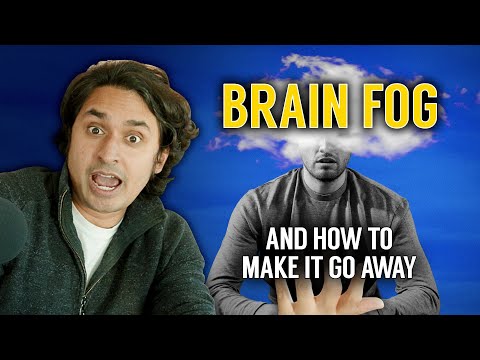
You know that feeling when your brain just feels… cloudy? Yeah, that’s brain fog for you. It’s like trying to think through a thick layer of cotton. Super frustrating, right?
Now, imagine quitting caffeine and then BAM! That fog rolls in even thicker. Seriously, it’s like your mind is saying, “What do you mean no more coffee?”
I’ve been there, trust me. After ditching my daily brew, I felt like I was walking around in a daze. The good news? There are ways to cope and clear things up. So let’s chat about this together.
Understanding Brain Fog Duration After Quitting Caffeine: What to Expect
Caffeine is one of those things that can feel like a lifesaver, right? You wake up, brew a cup, and BAM! You’re ready to tackle the day. But what happens when you decide to quit? That’s where brain fog can come in, and trust me, it can be annoying.
First off, brain fog is basically when your mind feels all cloudy. You might struggle to focus, find it hard to remember things, or feel tired even though you slept. It’s not like your brain isn’t working; it’s just a bit overwhelmed.
Now, if you’ve decided to cut out caffeine, the brain fog can hit pretty hard at first. This usually happens because your body is adjusting to life without that jolt of energy caffeine provides. Expect to feel this way for a while—it’s part of the withdrawal process.
The duration of brain fog varies from person to person. Some folks might only feel it for a few days, while others could be dealing with it for weeks. A lot depends on how much caffeine you were consuming and how your body reacts to its absence.
Here are some key points about what you might expect:
- First Few Days: This is often when the worst of the brain fog hits. Your body is craving caffeine, and you may feel scatterbrained.
- Week One: Things might start to get better after about a week. You could still have moments of fogginess but they may happen less frequently.
- Two Weeks In: By now, many people find their focus improving significantly! It’s like their brains are waking up again.
- A Month Later: For most people who quit caffeine entirely, brain fog should be mostly gone by this point.
But here’s the thing: if you’re feeling really zonked out even after a month or so, take a beat and check other areas of your life too—like stress levels or sleep quality—because those things matter!
So how do we cope with this pesky brain fog? Well, staying hydrated helps! Water keeps everything flowing smoothly in there. Eating well can also boost your mood and focus; think whole grains, fruits and veggies! And don’t forget about getting enough **sleep**; it’s super important during this adjustment period.
Remember that everyone reacts differently when quitting caffeine—some breeze through while others struggle more than they thought they would. If you’re finding it particularly tough or if the symptoms stick around longer than expected, chatting with a healthcare professional can be beneficial too.
In summary: Quitting caffeine isn’t always easy; sometimes it feels like walking through sludge for a while due to brain fog. Just hang in there! Over time things should clear up more and more as your body adjusts without that daily dose of coffee or energy drinks!
Understanding Caffeine Tolerance: How Long Does It Take to Reset?
Caffeine is, like, a staple for many people, isn’t it? You wake up and boom—coffee. That buzz feels amazing at first. But then, over time, the magic starts to fade. You might start wondering about your caffeine tolerance and how long it takes to reset your system after cutting back.
Basically, caffeine tolerance develops when your body gets used to having caffeine regularly. So what happens is you need more of it to feel the same effects you used to get with just one cup. It’s kind of annoying when your morning joe doesn’t pack that punch anymore!
Now, if you decide to quit or cut back on caffeine, you might experience some brain fog. This is real! When I tried giving up coffee once, I felt like I was walking through a thick mist—distracted and slow. And that fog can linger for a bit as your body adjusts.
So how long does it take to reset? Well, there isn’t an exact answer because everyone’s different. But here’s what researchers generally say:
- Initial withdrawal symptoms: These can start within 12-24 hours after you stop drinking caffeine.
- Peak of withdrawal: Most people report feeling their worst around day 2 or 3.
- Tolerance resetting: It can take anywhere from a few days to about two weeks for most folks.
- Full recovery: After about a month without caffeine, many say they feel more energized without needing that daily boost.
During this time, be gentle with yourself! Your brain needs time to recalibrate without that regular shot of espresso. In fact, give yourself some grace if you’re not as sharp as usual; that fog will lift as your neurotransmitters adjust.
A few signs that you’re starting to feel better? Maybe you notice improved focus, better sleep patterns without those late-afternoon crashes, or just an overall sense of well-being returning.
If you’ve been relying on caffeine for energy for ages and suddenly cut it out, expect some ups and downs. You might feel irritable or have headaches at first—you know how they say withdrawal can be tough? Well… yeah!
In short, resetting your caffeine tolerance takes time but it’s totally doable. Just hang in there during the tougher days! Before long you’ll be back in sync with your body’s own natural rhythms—without needing that cup of coffee to get through the day!
Overcoming Brain Fog After Quitting Caffeine: Tips and Insights from Reddit Users
Quitting caffeine can totally throw your brain for a loop, right? Suddenly, you might find yourself feeling foggy, sluggish, and just not quite yourself. A lot of folks on Reddit have shared their experiences on this journey. It’s tough, but there are ways to tackle it. Here are some insights and tips from those who’ve been there.
Be Patient
First off, remember that overcoming brain fog takes time. For many, the first week or two after quitting is the hardest. Your body is adjusting to life without caffeine. Hang in there; it gets better!
Stay Hydrated
One key point many users emphasized is hydration. Caffeine can be a diuretic, which means it can dehydrate you. So when you quit, your body might need extra fluids to bounce back. Aim to drink enough water throughout the day—like seriously drink up!
Eat Well
Nutrition plays a huge role in how your brain functions. Users noticed improvements when they focused on a balanced diet rich in fruits, veggies, whole grains, and proteins. Foods like nuts and seeds are not just good snacks; they’re also packed with nutrients that help with cognitive function.
Get Moving
Exercise was another popular suggestion among Redditors. It’s amazing how even a short walk can clear your head and boost mood! Something as simple as stretching or doing yoga helps increase blood flow to the brain and shake off some of that fog.
Rest and Sleep
Sleep hygiene is crucial too! Some people reported struggling with sleep issues when they quit caffeine. If this sounds like you, try setting up a calming bedtime routine—like dimming the lights an hour before bed or turning off screens to help your mind wind down.
Meditation and Mindfulness
A bunch of users swore by meditation or mindfulness practices to help reduce anxiety tied to caffeine withdrawal symptoms. Even just taking a few minutes a day to focus on your breath can make everything feel less overwhelming.
You’re Not Alone
It’s super important to know that feeling foggy is totally normal after cutting out caffeine! Everyone’s experience is unique; some folks bounce back quickly while others take longer—so don’t beat yourself up about it.
To wrap things up, while overcoming brain fog after quitting caffeine isn’t always smooth sailing, adopting these strategies can definitely ease the process. Remember: patience goes a long way here! You will come out stronger on the other side of this coffee-free adventure—just hang in there!
So, you know that feeling when you’re just kinda, well, out of it? Like, your brain is wrapped in cotton and everything feels hazy? That’s brain fog, and if you’ve recently quit caffeine, it can hit you like a ton of bricks. I went through this not too long ago. Seriously, I felt like I was operating in slow motion.
When I decided to ditch caffeine—mostly because my anxiety was getting a bit too loud—I figured it would be a breeze. “How hard could it be?” I thought. But boy, was I in for a surprise. The first few days were rough. I had these weird headaches that felt like construction was happening inside my skull while also battling fatigue like a heavyweight champ. It’s like my brain was saying, “Hey! What happened to that boost you usually give me?”
And this foggy feeling? It wasn’t just about being tired; it affected everything. My thoughts were muddled; simple tasks felt monumental, like trying to solve quantum physics or something! A friend even joked I sounded like I’d just come from Mars—which stung a little but also made me laugh.
But then again, there’s something oddly freeing about taking a break from caffeine. Once the worst of the brain fog lifted—seriously took more than just a few days—I started noticing little things shifting back into clarity. It’s as if my mind needed time to recalibrate without that constant stimulation. Sure, it might have taken longer than I anticipated to feel normal again (we’re talking weeks here), but during that time, I discovered other ways to wake myself up.
I found small joys in nature walks or even just stretching out on my yoga mat when all else failed. Sometimes chasing those endorphins helped clear the cobwebs way better than any cup of coffee ever could. There were definitely moments when I missed my morning ritual though—everyone loves their comfort zone! But looking back now, quitting caffeine forced me to rethink how I fuel my body and mind.
You know what? It taught me patience too—something we could all use more of sometimes! So if you’re grappling with the same fuzziness after exiting caffeine town, hang tight. Your brain will thank you later once it learns how to function without the extra jolt! Just give yourself some grace; it’ll get better before you know it—even if right now it’s hard to see past all that fog!