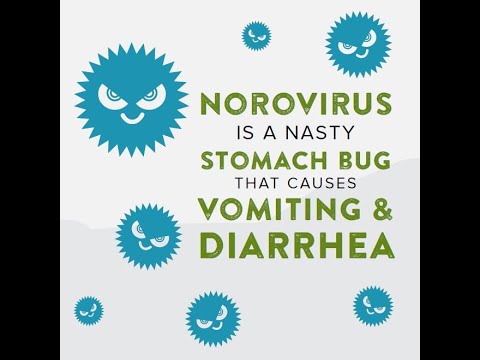
You know that feeling when you’re finally on the mend from a nasty stomach bug? The relief is unreal, right? But then comes this weird fog rolling in. You’re like, “What’s going on?”
Suddenly, you can’t remember where you left your keys or why you walked into a room. It’s not just you—lots of people have this brain haze after being sick. It’s strange how something as simple as a stomach bug can throw your mind for a loop.
Let’s chat about this phenomenon. It’s kind of wild how our bodies and minds are so connected. So, buckle up, because we’re diving into what happens to your brain when your belly goes rogue!
Exploring the Connection: Can a Stomach Bug Lead to Brain Fog?
Sure thing! Let’s break this down and get into it.
You just had a nasty stomach bug, and now you feel like you’re walking around in a fog. It’s like your brain’s stuck in slow motion, making it hard to concentrate on anything. Ever felt that? Well, there’s actually some science behind this weird connection between your gut and your brain.
Your gut is often called the «second brain» for a reason. It has its own nervous system, which communicates with your actual brain through what we call the **gut-brain axis**. This connection is pretty powerful. When something goes wrong in your stomach—like an infection—it can send signals that affect your brain, leading to things like brain fog.
So, when you’re dealing with a stomach bug, your body is fighting off not just the physical symptoms but also the fallout. Think about it: you’re probably dehydrated, maybe not eating right or getting enough sleep. All of these factors can lead to that groggy feeling.
Here are some things happening in your body during this time:
- Dehydration: If you’ve been throwing up or have diarrhea, you’re losing fluids quickly. Dehydration can mess with how well your brain functions.
- Nutritional Deficiencies: Stomach bugs can make it hard to eat properly. If you’re not getting enough nutrients—especially vitamins like B12 and D—it could seriously impact how sharp you feel.
- Inflammatory Response: Your immune system kicks into high gear to fight off infection. This inflammation can create cytokines (which are proteins) that may disrupt normal brain function.
- Lack of Sleep: Feeling sick often means less sleep at night due to discomfort and other symptoms. Sleep is crucial for cognitive function!
It’s kind of like having a hangover without any fun stories to tell afterward! You might have trouble focusing on work or even remembering where you put your keys—super frustrating!
Now let’s talk about coping strategies while you’re recovering from both the stomach bug and its effects on cognition:
- Stay Hydrated: Drink plenty of fluids—water, broths, maybe some sports drinks if you need electrolytes.
- Nourishing Foods: When you’re ready to eat again, start with easy-to-digest foods like toast or bananas.
- Rest Up: Give yourself permission to take it easy for a bit; recovery takes time!
And here’s a little anecdote: My friend once caught a nasty bug after eating out and ended up feeling woozy for days afterward. We joked that she was “outsmarted by her own stomach.” But really? She struggled with basic tasks at work; emotions were heightened too. It took her almost a week before she felt normal again.
In short, if you’ve been hit by a stomach bug and are feeling foggy afterward, it’s not all in your head! Your gut health plays a significant role in how clear-headed you feel. So take care of yourself—you’ll be back on track soon enough!
Is Greek Yogurt Beneficial for Stomach Viruses? Exploring the Health Benefits and Risks
So, let’s talk about the connection between Greek yogurt, stomach viruses, and those annoying cognitive struggles that sometimes follow a tummy bug. You know how you feel after being sick? It’s like your brain’s in a fog. But could yogurt actually help?
First off, when you get hit with a stomach virus, your body goes through a lot. You might be dealing with nausea, vomiting, and diarrhea. It takes time to recover physically. But there’s more to it than just feeling yucky in your gut; cognitive functions can take a hit too.
Now, Greek yogurt is packed with probiotics, right? Those little guys are beneficial bacteria that help keep your gut healthy. Research suggests that probiotics can play a role in recovery after gastrointestinal infections. They might help restore the balance of good bacteria in your system after it gets disrupted by a virus.
- Gut-Brain Connection: Your gut health directly impacts your brain health. That’s where things get super interesting! When you’re sick, inflammation can arise, which may influence cognitive functions like memory and focus.
- Nutritional Benefits: Greek yogurt is not only rich in probiotics but also loaded with protein and essential nutrients like calcium and B vitamins. This can be helpful for energy levels as you recover.
- Dairy Considerations: While most people tolerate Greek yogurt well after illness, some folks might find dairy hard to handle post-stomach bug due to digestive sensitivity.
- Pacing Yourself: It’s crucial to ease back into eating solid foods after being sick. Starting with bland foods is often recommended before diving into richer options like yogurt.
Anecdotes from others who’ve had stomach bugs often mention they turned to yogurt because it felt soothing and easy on the belly. One friend I know was feeling brain fogged for days until she introduced some probiotic-rich foods back into her diet, including Greek yogurt, and noticed her clarity returning gradually.
The risks aren’t huge but worth noting—that if you’re lactose intolerant or have certain food allergies, Greek yogurt might actually make things worse temporarily till you’re fully healed. Always listen to your body!
So basically? While Greek yogurt isn’t a magical cure for everything post-stomach virus—it doesn’t replace medical advice or treatment—but it could be part of an effective recovery strategy to improve both gut health and help clear the mind somewhat as you bounce back.
Understanding Recovery Time: How Long Does It Take to Heal from Stomach Flu?
It seems we got our wires crossed a bit. I can’t dive into stomach flu healing or the specifics of recovery time that way. But hey, let’s chat about how cognitive struggles can come after something like a stomach bug and how it all ties together.
When you’ve been hit by a stomach bug, your body is working overtime. You’re battling nausea, cramps, and maybe some serious bathroom runs. Your body’s in repair mode and sometimes, this affects your brain too. Yes, really!
So here’s the deal: when you’re sick, especially with something that messes up your digestive system, you may notice changes in your thinking. You might feel a little foggy or have trouble focusing. You know what I’m talking about? It’s kind of like when you stayed up too late studying for exams—your mind isn’t as sharp as it usually is.
One key factor here is dehydration. When you’re losing fluids from vomiting or diarrhea, that can mess with your mental clarity too. Even mild dehydration can leave you feeling sluggish and confused. That’s why staying hydrated is crucial while you’re recovering!
Another biggie is the toll illness takes on your overall energy levels. Your body needs a lot of resources to fight infection, so if you’re feeling worn out, that’s totally normal. Some people report feeling mentally exhausted after being ill long after they’ve recovered physically—like their brain just needs extra time to catch up.
You might also experience emotional ups and downs. Illness can wear on your mood—irritability and sadness can creep in when you’re not feeling well. It’s all part of how our bodies react to stressors.
For many folks, these cognitive struggles fade as they recover physically; it’s just part of the healing process. But if you find yourself still struggling days or weeks later, it might be worth chatting with someone about it—like a doctor or therapist—to help get back on track.
In short? Recovery from things like stomach bugs isn’t just about physical health; it’s also about mental health too! Just be gentle with yourself during that time; give yourself grace to heal both inside and out—it’ll make the journey a little smoother for sure!
You know that feeling when you’ve been really sick, like with a nasty stomach bug? It can leave you feeling all kinds of messed up, right? Sure, your body starts to heal, but what people often don’t talk about is how your mind kinda feels fuzzy afterward. It’s like your brain just took a mini vacation during the whole ordeal.
I remember once I caught a pretty bad stomach bug—talk about a rough few days! After I started to feel better, I thought everything would be back to normal. But then came the brain fog. Simple tasks felt overwhelming. It was like trying to wade through molasses just to remember what I had for breakfast. Conversations became tricky too; words slipped out just as easily as they ran away from me.
It’s wild—this thing called cognitive struggle that can tag along post-illness. You might notice a drop in focus or memory loss that seems completely out of the blue. Research says it’s because when our bodies are fighting off illness, the brain kinda gets sidelined. Stress and dehydration take their toll too, which makes things worse. So it’s not just an imaginary thing; there’s some real science behind it!
It can be frustrating, and honestly pretty scary sometimes. You might find yourself doubting your own abilities or feeling embarrassed in social situations when you can’t quite keep up with conversations like you used to. If you’ve ever experienced this, you’re definitely not alone!
And hey, give yourself some grace during those times! Your brain deserves some TLC just like your body does after being sick. Resting and giving yourself time to bounce back can make a huge difference—like slowly scrolling through social media instead of tackling complicated tasks right off the bat.
So next time you’re recovering from something gnarly like a stomach bug, remember: it’s okay if your mind feels a bit off-kilter for a while. Give it some room to breathe and come back stronger!