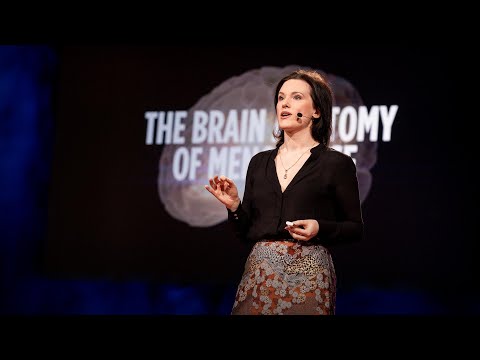
Hey, you know that feeling when you just can’t think straight? Like your brain is wrapped in cotton or something? That’s kinda what brain fog is like.
A lot of women hit this wall during menopause. It’s not just the hot flashes or mood swings, right? It can really mess with your head.
You might feel forgetful, distracted, or just plain confused sometimes. Seriously, it’s frustrating! I mean, who wants to feel like they’re losing their edge?
But here’s the thing: you’re not alone in this. Let’s chat about what brain fog really is and how it can affect your mental game during menopause. You ready?
Top Supplements to Combat Menopause Brain Fog: Boost Your Mental Clarity
Menopause can be a rollercoaster ride, right? One minute you’re fine, and the next—bam! Brain fog hits like a freight train. You know, that feeling where you walk into a room and forget why you even went in there? So frustrating! But, thankfully, there are some supplements that may help clear the haze.
Omega-3 Fatty Acids are one of the top contenders. These healthy fats are crucial for brain health. They can improve cognitive function and mood. Think about fish oil or flaxseed oil; adding those to your diet might just give your brain the boost it needs. A friend of mine started taking omega-3 supplements during her menopause transition, and she swears it helped her keep her head clearer.
Then there’s B Vitamins. These little powerhouses play a critical role in energy production and brain health. Specifically, B6, B9 (folate), and B12 can be super helpful in combating symptoms of brain fog. They help support neurotransmitter function—those messengers in your brain that keep everything running smoothly! Foods like leafy greens or whole grains can also provide these vitamins if you prefer not to supplement.
Oh! Don’t forget about Vitamin D. This vitamin does wonders for overall health but is also linked to cognitive performance. Sometimes during menopause, our hormone levels drop significantly, which can affect how we absorb vitamin D from sunlight. So getting enough might be something to look into with your healthcare provider.
Another interesting one is Ginkgo Biloba. This herbal supplement has been used for ages to support memory and concentration. Some studies show it can help improve blood flow to the brain, which could lead to better mental clarity when dealing with menopause-related fogginess.
And then there’s L-Theanine, an amino acid found in green tea that encourages relaxation without drowsiness. If anxiety is part of your experience during menopause (which it often is), this could help calm your mind while keeping it sharp.
Lastly, Magnesium should definitely not be overlooked—it’s vital for all sorts of functions in the body including nerve signaling and energy production. When your magnesium levels are balanced, everything seems to flow more easily!
So here’s a quick recap:
- Omega-3 Fatty Acids: Great for mood and cognition.
- B Vitamins: Essential for energy and neurotransmitter function.
- Vitamin D: Supports overall cognitive performance.
- Ginkgo Biloba: May enhance memory by improving blood flow.
- L-Theanine: Promotes relaxation without sedation.
- Magnesium: Key for nerve signaling and overall function.
Remember though: supplements aren’t magic pills—they work best alongside a healthy diet and lifestyle choices. And hey, before starting anything new, chatting with your healthcare provider is always a good call! You’ve got this!
Understanding Menopause Brain Fog: How Long Does It Last and When Will It End?
Menopause is a big deal for many, and it brings along some unexpected guests. One of those uninvited friends is brain fog. Yeah, that’s right! Brain fog can feel like you’re trudging through mud just to think straight. You know that feeling when you walk into a room and totally forget why you were there? Well, during menopause, this can happen more often.
So what exactly is menopause brain fog? It’s basically when hormonal changes mess with your brain’s ability to function clearly. You might experience forgetfulness, confusion, or even trouble concentrating. It can be frustrating and impact your daily life in ways you didn’t expect.
Now, how long does this foggy phase last? Well, there’s no one-size-fits-all answer. For some women, it might fade away after a few months; for others, it can stick around longer—like a bad cold that won’t go away. Typically, the worst of it happens during perimenopause—the time leading up to menopause itself—when hormone levels are all over the place.
Here are some key points about how long this brain fog might last:
- Perimenopause: This is generally when you’re most likely to experience brain fog due to fluctuating hormones.
- Duration: It can range from a few months to several years.
- Post-menopause: For many women, brain fog tends to improve significantly after menopause is fully completed.
- Lifestyle factors: Things like stress levels, sleep quality, and diet also play major roles in how your brain feels.
Let’s say you’re going grocery shopping but suddenly can’t remember if you need milk or eggs. Yup! That’s classic brain fog cropping up unexpectedly! It may seem like an everyday mishap but it can take a toll on your confidence over time.
What helps combat this pesky problem? Staying active in mind and body could be beneficial. Regular exercise has been shown to boost mood and cognitive function. Eating well—think fruits and vegetables—also makes a difference in keeping your mind sharp.
It’s super important not to brush aside these symptoms as just “getting older.” If these issues are causing significant disruption in your life, don’t hesitate to reach out for help. Sometimes talking with someone about what you’re experiencing can provide relief—or even solutions.
So yeah, understanding menopause brain fog is crucial—not just to manage it but also for finding ways to cope with those cloudy moments while they last!
Effective Natural Remedies to Combat Menopause Brain Fog
So, menopause brain fog, huh? It’s that weird haze that can feel like your brain is running on low battery. One minute you’re kicking butt and taking names, then you suddenly forget what you were doing or where you put your keys. This can be super frustrating and even a little scary sometimes.
What happens is, as hormone levels fluctuate—especially estrogen—you might experience memory lapses or trouble concentrating. It’s not just in your head; it’s a real thing. And while some people think about medication to help, there are natural remedies that might ease the fog.
1. Healthy Diet
Eating well plays a huge role in brain health. Try incorporating omega-3 fatty acids, which are found in fish like salmon and walnuts. These guys are known to support brain function. Also, consider adding more fruits and vegetables to your meals for antioxidants that help protect brain cells.
2. Stay Hydrated
It’s wild how dehydration can make you feel fuzzy-headed. Seriously! Drinking enough water can make a noticeable difference in how sharp you feel during the day. So keep that water bottle handy!
3. Regular Exercise
Exercise isn’t just great for the body; it’s fantastic for the mind too! Moving around helps increase blood flow to the brain and releases those feel-good endorphins. Even just a brisk walk can brighten your mood and clear up some of that mental fog.
4. Mindfulness and Meditation
This might sound like a “new-agey” thing, but practicing mindfulness or meditation can seriously help with focus and clarity. Taking just a few minutes to breathe deeply or focus on the moment can sharpen your mind throughout the day.
5. Quality Sleep
Sleep is like magic for mental clarity! If you’re not getting enough good sleep, you’ll likely feel more muddled during the day. So create a relaxing bedtime routine—like reading a book or dimming the lights—to help signal your body that it’s time to wind down.
So yeah, while menopause brain fog is totally common among many women during this stage of life, these natural remedies could really help lighten up that mental haze. Just remember: everybody’s different, so what works for one person may not work for another! But staying conscious about these tips might lead you to find some relief along the way—without needing any medication at all!
You know, menopause can feel like a rollercoaster ride, and brain fog is one of those unexpected twists. One minute you’re feeling fine, and the next, you can’t remember where you put your keys… or if you even had keys in the first place. It’s wild how something that seems so simple can mess with your mind like that.
I remember chatting with a friend who went through this whole phase. She’s intelligent, sharp as a tack—you know the type? But she started feeling like she was living in a foggy haze. At first, she thought it was just age catching up to her or maybe too much stress from work. But the more we talked, it became clear that it was all tied to menopause. It’s not just physical changes; it hits hard mentally too.
So when we talk about brain fog during menopause, it’s not just about forgetfulness or struggling to focus. It’s like this strange combination of fatigue and confusion where everything feels hazy. Like when you’re watching a movie on a really bad internet connection—everything’s buffering and you’re just waiting for things to clear up.
Hormonal shifts are usually at the root of this fuzzy feeling. Estrogen drops significantly during menopause, and estrogen plays a crucial role in how our brain functions. It affects mood regulation and cognitive abilities. So yeah, this brain fog isn’t all in your head—it’s chemical stuff happening inside.
And don’t even get me started on how frustrating it can be! You might find yourself struggling to remember simple words mid-conversation or zoning out while trying to read an email. It’s annoying and can lead to feelings of inadequacy or even anxiety about your capabilities. That pressure can build up fast.
But here’s the thing: acknowledging brain fog doesn’t mean giving in to it. Finding strategies that work for you—like keeping notes or setting little reminders—can help manage those pesky moments when clarity goes out the window.
Plus, talking about this stuff openly helps! When my friend shared her experience with others going through similar changes, there was comfort in knowing she wasn’t alone in this fight against her own brain. Community support makes such a difference.
Navigating through menopause is no small feat—and dealing with brain fog is definitely part of that journey. A little patience goes a long way along with finding folks who get what you’re experiencing! You’ve got this; every cloud eventually clears up!