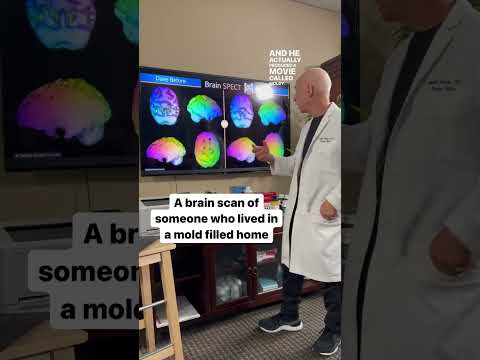
You know that feeling when you just can’t think straight? Like your brain’s wrapped in fog? It might be more than just a lack of sleep.
Mold exposure, yeah, that’s a thing! It could mess with your mental clarity and focus in ways you wouldn’t even believe. Seriously, who thinks about mold affecting their brain?
Let me tell you a quick story. A friend of mine found some weird spots on her bathroom wall. At first, she brushed it off—no biggie, right? But soon, her mind felt all wonky; she couldn’t concentrate at work or even enjoy a good book.
Turns out, mold can do more than make things look gross. It can creep into your head and mess with how you think. Wild, huh? Let’s dig into this together!
Exploring the Impact of Mold on Focus and Mental Clarity
Mold is one of those things that can fly under the radar when we talk about health, but it can seriously mess with your mind. You might be surprised to find out just how much mold exposure can affect your focus and mental clarity.
Mold exposure happens when you breathe in or come into contact with mold spores. These tiny particles are everywhere, but they thrive in damp conditions, like a leaky basement or an old bathroom. If you’re living or working in a place with mold, even if you can’t see it, you might start noticing some changes in how you think and feel.
When it comes to mental clarity, many people report feeling foggy-headed after mold exposure. You might find yourself struggling to concentrate on work or tasks that once seemed easy. It’s kind of like trying to see through a window that’s full of grime—you just can’t focus properly. Some folks even experience memory issues after being around mold for too long.
And then there’s focus. Have you ever tried to study while your brain feels cluttered? That’s what happens when you’re exposed to mold. It can create difficulty in focusing on tasks, making decisions feel overwhelming. It’s not just about being distracted; it’s like your brain is running on low battery.
Some symptoms people experience after mold exposure include:
- Headaches and migraines.
- Fatigue that just won’t quit.
- Anxiety or mood swings.
- Cognitive dysfunction—including trouble with concentration.
Let’s take Jamie’s story as an example. She moved into a charming old apartment that turned out to have some hidden mold issues behind the walls. At first, she loved her new home, but soon she started feeling “off.” Simple chores felt daunting, and she couldn’t remember where she put things half the time. After discovering the mold during a maintenance check, her landlord cleaned it up, and slowly but surely, Jamie’s mental fog lifted.
Moreover, certain groups may be more affected by this than others—like those with asthma or allergies—because their bodies might react more strongly to those lovely little spores floating around.
In terms of solutions, addressing the source of the moisture is crucial. If you’ve got a mold problem in your space, getting rid of it should be priority number one! This could mean repairing leaks or using dehumidifiers to keep humidity levels down.
Also important is ensuring you’re taking care of yourself while dealing with potential exposure—staying hydrated and eating well can help support your overall mental clarity during tough times.
So yeah, if you’re feeling off mentally and suspect mold could be behind it? Definitely look into that possibility! It’s wild how something as small as a spore can have such an impact on our brains and daily lives!
Exploring the Connection Between Mold Exposure and Cognitive Impairment: What You Need to Know
Mold exposure is a topic that a lot of people don’t realize might connect to mental clarity and focus. You see, when we talk about mold, we usually think about the itchy eyes or sneezing, right? But it can go way beyond that. Some folks have reported experiencing cognitive impairment after being in a moldy environment.
So here’s the thing: certain types of mold release toxins called mycotoxins. These can potentially mess with your brain in ways you might not expect. When inhaled or absorbed through the skin, these mycotoxins might lead to symptoms like forgetfulness, confusion, or trouble concentrating. Sounds a bit eerie, huh?
You might wonder what this all looks like in real life. Picture this: someone moves into an apartment where water damage has led to mold growth in the walls. At first, they feel okay but then start noticing that they’re not remembering things as easily as before. They’re losing track of conversations and often feel foggy-headed. It’s frustrating!
But wait—it’s not just about the memory issues. Other cognitive functions can take a hit too! Attention and processing speed might slow down; you know how it is when you’ve got too much on your mind? Imagine that feeling but dialed up to eleven because of something lurking in your environment.
Another point worth mentioning is how long you’re exposed to mold matters. If you think about it like this: occasional exposure might just give you a headache or some allergy-type symptoms, but prolonged exposure could lead to more serious health complications—both physically and mentally.
It’s worth noting that everyone reacts differently to mold exposure. Some may feel fine while others could struggle with significant issues. So if you’re feeling off after spending time in a musty space, don’t brush it aside!
To wrap it up:
- Mold can release mycotoxins that may cause cognitive impairment.
- Symptoms like forgetfulness and brain fog are real!
- The duration of exposure plays a big role in how you may be affected.
- Your unique body chemistry affects how you respond.
If you’ve got concerns about mold around you and its impact on your mental clarity or focus, it’s smart to get things checked out—like calling an expert who knows their stuff about both mold and health issues related to it. Taking care of your space goes hand-in-hand with taking care of your mind!
Understanding Mold Brain Infection Symptoms: Key Signs to Recognize Early
Mold exposure can be a real downer, both physically and mentally. So, let’s break down what mold brain infection symptoms might look like, especially when it messes with your focus and clarity.
First off, when you’re around mold for too long, it can affect your brain in a bunch of ways. Many people don’t even realize it’s happening until things start to feel «off.»
Here are some common signs to keep an eye on:
- Memory issues: You might find yourself forgetting things more often. Like, where you left your keys or what you were just talking about.
- Concentration problems: It’s like trying to read a book while someone is blasting music next to you. You just can’t seem to focus.
- Fatigue: Feeling tired all the time? That can happen when your body is fighting off mold-related issues.
- Mood swings: You might feel irritable or anxious without any clear reason. One minute you’re fine; the next, you’re snapping at someone over nothing.
- Headaches: Regular headaches that come and go could be a sign of mold affecting your brain.
A friend of mine experienced some of these symptoms after spending time in a damp basement. At first, he thought it was just stress from work. But then he started struggling with his focus during meetings—it was like his brain was stuck in neutral. He eventually found out there was mold growing in that basement, which explained everything.
Now, the thing about these symptoms is that they’re not exclusive to mold exposure alone; they can be related to other health issues as well. But if you happen to notice multiple signs occurring together and you’ve been in a moldy environment, it’s definitely worth chatting with a healthcare professional.
Detecting things early can really make a difference in how you feel going forward. If you think you’ve got some lingering effects from mold exposure, don’t brush them aside—get it checked out! Your clarity and mental focus could depend on it.
Mold exposure, huh? It’s not something we often think about when we’re talking about mental health. But the more I learn, the more I realize how sneaky it can be. A buddy of mine had a pretty rough time with it. He lived in an old apartment that had some hidden mold behind the walls. At first, he thought he was just stressed out from work or maybe not getting enough sleep, but it turned out he was dealing with way more than just the usual life stuff.
The weird thing is, mold can really mess with your brain—like, seriously affect your mental clarity and focus. It’s as if a fog rolls in and everything feels heavy and clouded. You might forget things more easily or struggle to concentrate on tasks that used to be no big deal. It’s like trying to read a book with the pages all stuck together; frustrating and confusing!
Like my friend found out, mold can trigger feelings of anxiety or depression too. Imagine waking up every day feeling like you’re in a daze—it’s exhausting! And when you’re not feeling sharp mentally, it makes everything else in life seem even harder.
But here’s what’s important: if you suspect you’ve been exposed to mold or are just not feeling like yourself for a while—don’t ignore it! Talk to someone about what you’re experiencing; there are ways to get through this. Sometimes just knowing that what you’re feeling isn’t all in your head can be a huge relief.
Being aware of how environmental factors like mold can impact our mental state helps us take better care of ourselves—both mentally and physically. So keep an eye on your surroundings and trust your gut if something feels off!