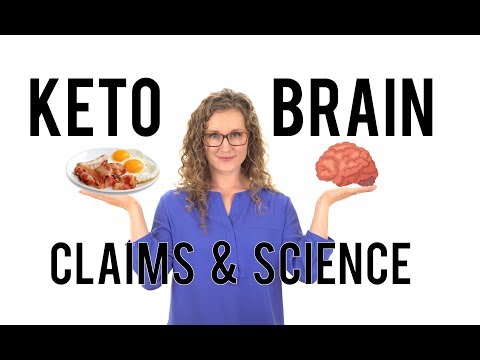
You ever feel like your brain’s wrapped in a fog? Like, you can’t focus on anything for more than two seconds? It’s frustrating, right?
Well, here’s the thing: some folks swear by the keto diet for clarity. But, honestly, it can also bring on that pesky brain fog for others. Yes, seriously!
So, let’s chat about how keto might be messing with your head—and what you can do about it. No judgment here; just a friendly convo about keeping that noggin sharp!
Unlocking Clarity: Can the Keto Diet Cure Brain Fog?
So, let’s talk about this whole keto diet thing and brain fog, you know? It’s one of those interesting topics that pop up a lot when you’re chatting about mental clarity. You might have heard folks saying that going keto can clear up this foggy feeling in your head. But can it really?
First off, what is brain fog? Well, it’s not an official diagnosis or anything, but people describe it as feeling mentally sluggish or forgetful. Imagine trying to think clearly while someone has put a thick blanket over your brain. Frustrating, right? You might struggle to focus during work or forget simple words in conversations.
Now, here comes the keto diet — a high-fat, low-carb way of eating where you basically get most of your energy from fats instead of carbs. The thing is, when you cut out carbs drastically, your body switches into a state called **ketosis**. This is where it starts burning fat for fuel instead of glucose.
Some folks say that this switch makes them feel sharper mentally. But here’s the catch: while some people report better focus and energy levels on keto, others feel more tired and foggy initially as their body adjusts. You know what happens? They could be experiencing withdrawal from carbs! It can take time for your body to adapt.
Let’s break down some key points here:
- Carbs are fuel: Your brain loves glucose — that’s what fuels its activities.
- Keto adaptation: Transitioning to keto can cause initial fatigue or brain fog for several days or weeks.
- MCTs help: Medium-chain triglycerides (found in coconut oil) convert into ketones quickly and may help enhance cognitive function.
- Individual results vary: Some people thrive on keto and feel clearer; others might not see any benefits.
Okay, so there have been some studies suggesting that ketones — which are produced during ketosis — might actually have neuroprotective benefits. That means they could help against brain-related issues like Alzheimer’s or Parkinson’s diseases in the long run! But again, these findings aren’t universal for everyone.
You remember my friend Sarah? She decided to try out the keto diet because she was always battling with that annoying brain fog. After a few weeks on keto, she felt like she had more mental clarity! But then again, her cousin Mike tried it and felt worse initially before he adjusted.
The bottom line? The keto diet may help some people clear their mental fog after they pass through that adjustment phase. But it’s not a magic fix for everyone. If you’re curious about trying it out for cognitive purposes, maybe chatting with a nutritionist could help clarify things—pun intended!
So yeah, it’s really personal when it comes down to how our bodies react to diets like these. Keep listening to your body and figuring out what works best for you!
Exploring the Keto Diet: Can It Enhance Your Mental Clarity?
Alright, let’s talk about the Keto Diet and its potential effects on mental clarity. You’ve maybe heard a lot about this diet. It’s all about cutting back on carbs and upping your fat intake. But how does all of this play into your brain function?
First off, what is the Keto Diet? Basically, it’s a low-carb, high-fat diet that has been making waves for quite a while now. When you reduce your carbs significantly, your body goes into a state called ketosis. This means you start burning fat for fuel instead of glucose, which is what our bodies usually prefer.
So, how can this relate to mental clarity? Some people report feeling sharper and more focused when they’re on keto. The theory is that ketones, which are produced from fat during ketosis, might provide a more stable energy source for the brain than glucose does. You see, when your blood sugar spikes from carbs, it can lead to a crash later—like that groggy feeling after lunch.
Now here’s where it gets tricky: brain fog. This term describes that sluggish mental state where you just can’t seem to think straight. Some folks experience brain fog when they start keto because their bodies are adjusting to this new way of fueling themselves. Symptoms can include trouble concentrating or even fatigue at first.
Let me tell you about my friend Alex. He decided to try keto because he was tired of feeling sleepy in the afternoons. At first, he battled serious brain fog during those first few weeks—just like his mind was wrapped in cotton candy! It took him some time to adjust but eventually he claimed he felt clear-headed and energized once he hit his groove with the diet.
That said, not everyone responds the same way to keto. Some people might see improvements in their focus while others may feel tired or moody if they’re not getting enough nutrients or calories overall. This leads us to an important point: balance. Make sure you’re eating enough veggies and healthy fats so your brain gets what it needs!
And there’s also research pointing in different directions regarding mood and cognition on keto diets; results are definitely mixed! Some studies suggest improved mood stability and cognitive performance for certain individuals while others have shown no significant effect.
Now let’s break it down into some key points:
- Keto involves cutting carbs and increasing fat intake.
- Ketones may provide a stable energy source for better focus.
- Initial brain fog can occur as the body adapts.
- Response varies; not everyone experiences enhanced mental clarity.
- A balanced diet with nutrients is crucial for mental performance.
In summary, while some people swear by the Keto Diet for better focus and mental clarity—like my friend Alex—you might find your experience is totally different. It really comes down to how your individual body reacts to changes in diet! If you’re thinking about trying it out or have concerns about your own mental sharpness, chatting with a healthcare professional can be super helpful too.
Remember though: fuel up wisely! Your brain deserves it just as much as any other part of you does!
Understanding Ketosis: Exploring the Potential Risks of Brain Damage and Mental Health Impacts
Look, ketosis is one of those buzzwords floating around, right? The keto diet has gained a ton of popularity over the years. Basically, it’s all about cutting down carbs and flipping the switch on your body to start burning fat for fuel instead of glucose. Sounds simple enough, but let’s really think about what that means for your brain and mental health.
When you cut your carbs down to almost nothing, your body reaches this metabolic state called ketosis. In this state, your liver produces ketones, which can actually serve as fuel for the brain. Some folks rave about feeling more focused or clear-headed once they make the switch. But hold on a second—what about the potential risks?
Brain Fog is a real struggle for some people when they first start the keto diet. Imagine getting all excited about this new way of eating only to find yourself feeling dazed and confused! It’s not uncommon to feel sluggish or mentally foggy during those initial weeks as your body adjusts. For many people, it can be super frustrating.
Now here’s where it gets a bit scary: there have been studies looking into whether long-term ketosis could lead to brain damage. Some research suggests that while ketones can be beneficial in moderation, overly low levels of glucose might not be great for long-term brain health. Seriously, depriving your brain of its main fuel source too long could potentially lead to cognitive issues down the line.
On top of that, there are also mental health impacts to keep in mind. If you’re prone to anxiety or depression (or even just having an off day), significantly changing your diet can sometimes exacerbate those feelings. You know how diet can influence our mood? Well, when you cut out whole food groups—or feel deprived because you can’t have that slice of pizza—you might find yourself feeling more irritable or anxious than usual.
And while we’re on mental clarity challenges, let’s talk about nutrients! On keto, if you’re not careful with what you eat, you could miss out on important vitamins and minerals like magnesium and B vitamins—stuff essential for keeping your neurons firing properly! So if you’re feeling foggy or off balance mentally while trying this diet out—yeah—it could be linked back to nutrient deficiencies.
- The transition phase: Expect some rocky days ahead as your body learns to adapt.
- Nutrient deficiencies: All those vitamins and minerals need attention!
- Mental health effects: Pay attention if you notice mood swings or increased anxiety.
- Long-term concerns: Think carefully before jumping into full-on ketosis for extended periods.
So seriously consider what works best for you. Maybe keto helps some folk feel amazing—and hey, that’s great! But don’t ignore those warning signs if things start feeling off mentally. Your brain matters more than any trendy diet out there. And always remember: everyone’s different; what works wonders for one person might totally flop for another!
So, let’s chat about the keto diet and this thing called brain fog. You know how people are always raving about keto? It’s like the trendy diet that’s everywhere right now. Cutting carbs and turning to fats as your main fuel seems to be the way to go for a lot of folks. But here’s the catch: some people report feeling a little… well, foggy in the head when they start.
I mean, picture this: you’re doing all the right things—eating avocados, whipping up delicious bacon, and tossing out bread like it’s yesterday’s news. But suddenly, you’re sitting there trying to remember where you put your keys or what you were just talking about. It’s that annoying mental haze that feels so frustrating.
Now, I’ve had my own battles with brain fog. There was this week where I tried going low-carb for fun—thinking I’d feel super energetic and clear-headed. Instead, I felt like I was trudging through molasses! It was particularly rough during a meeting when I blanked on a simple question and everyone stared at me like I’d grown an extra head or something.
So what gives? On one hand, keto can help with weight loss and even potentially improve certain brain functions in some people after the initial adjustment phase. But on the flip side, during those first few weeks of carb withdrawal (also called «keto flu»), your brain might not get all its usual fuel from glucose. Without that energy source, cognitive function can really take a hit for some folks.
But don’t worry too much; it typically gets better after your body adjusts! You just gotta give it some time. Staying hydrated and making sure you’re getting enough electrolytes can help ease the transition too—it’s like giving your brain a little boost while it figures things out.
In short, if you find yourself in that hazy spot while dipping into keto, don’t freak out! It might just be part of your body getting used to this new way of eating. Listen to your body; if mental clarity doesn’t come back after adjusting for a few weeks or you’re not feeling great overall—maybe take a step back and reevaluate what’s working for you personally. Every mind is different!