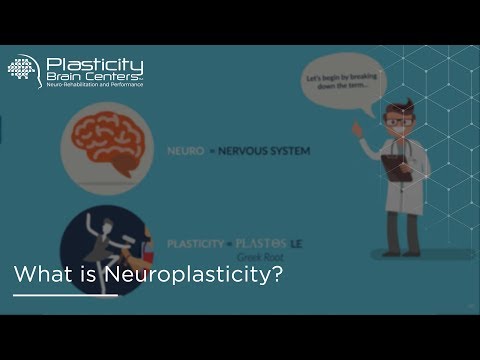
So, here’s the thing. Your brain is kind of like Play-Doh when you’re a baby. Seriously, it’s super moldable and flexible!
If you think about it, every little giggle, coo, or even cry is shaping their tiny minds. That brain of theirs? It’s soaking up everything like a sponge.
And guess what? This crazy plasticity is setting those essential foundations for mental health later on. How wild is that? It’s like they’re building their very own mental toolkit from day one!
Let’s chat about why this brain plasticity stuff matters so much. Because, honestly? It really does!
Understanding Neuroplasticity in Infants: How Early Experiences Shape Developing Brains
Neuroplasticity is like the brain’s superpower, especially in infants. Their brains are constantly changing and adapting based on experiences. This ability is crucial for their growth and development, as it lays the groundwork for future mental health.
When infants are born, their brains are like blank slates. They have millions of neurons ready to connect. But guess what? Those connections don’t just magically form; they rely heavily on what’s happening in their environment. So, early experiences really matter.
Think about a baby crying when they’re hungry or tired. Their caregiver responds by feeding them or holding them close. Over time, this back-and-forth helps shape important neural pathways. The more affectionate and responsive the caregivers are, the more secure and confident the child may grow up feeling.
Let’s break this down a bit more:
- Social Interactions: When babies interact with their parents or caregivers—like through talking or cuddling—it encourages brain growth.
- Sensory Experiences: Exposure to different sights, sounds, and textures can enhance neural connections.
- Emotional Support: Comfort during distress can help regulate emotions later in life.
But it’s not just about warm fuzzies! Too much stress and neglect can lead to negative effects on brain development. Imagine a baby who doesn’t get enough nurturing touches or faces to look at—it could mess with how their brain wires itself up.
Anecdotes really help illustrate this stuff too. Take my friend Sarah; she always talked to her baby as if they were having conversations—even when he was just a tiny blob of cuteness! She noticed that he started cooing back at her pretty quickly, which showed me how those early chats were building his language pathways even before he knew it.
The takeaway here? Every little experience counts! From simple moments like singing lullabies to providing a safe space when they’re scared—their brains soak it all up like sponges. This foundation affects not only cognitive skills but also emotional regulation later on.
Unlocking Mental Health: The Critical Role of Brain Plasticity in Well-Being
Brain plasticity, also known as neuroplasticity, refers to the brain’s ability to adapt and change. This affects how we think, feel, and even react to life’s challenges. Imagine your brain is like a super flexible gym mat; it can mold itself to new experiences, learnings, and even heal after setbacks. And yeah, this is vital for mental health, especially in those early years.
When babies are born, their brains are essentially blank slates. They’re soaking up every little detail from the world around them. This is when brain plasticity really kicks in! The connections between neurons form rapidly as infants experience love, touch, and stimulation. But here’s the kicker: not all experiences are equal. An infant who feels safe and cared for develops stronger emotional foundations than one who faces neglect or adversity.
You see, these early experiences shape not just immediate behavior but can have long-lasting effects on mental health throughout life. For instance, a child constantly receiving positive reinforcement will likely have better self-esteem as they grow up. That’s brain plasticity working its magic!
On the flip side, if an infant grows up in a chaotic or stressful environment, their brain can adapt but not always in helpful ways. This might lead to increased anxiety or difficulty managing emotions later on.
Here are some ways brain plasticity plays out in relation to mental health:
The cool thing is that neuroplasticity doesn’t just stop after childhood! You can actually train your brain at any age through concerted effort or therapy—for example, engaging in mindfulness practices or cognitive-behavioral techniques can help reshape thought patterns even in adulthood.
And while it sounds simple enough—just be nice to kids—the reality is that fostering positive environments takes work! Schools and communities play a huge role here too; investing in mental health resources can set kids up for success.
So remember this: brain plasticity isn’t just about growing up; it’s about growing into well-adjusted adults who can handle whatever life throws their way! Whether you’re a parent or just interested in mental wellness, recognizing how our brains adapt helps underline why nurturing environments matter so much for our youngest members of society. Let’s create spaces where everyone feels secure enough to thrive!
Understanding Brain Plasticity in Infancy: Key Features and Their Impact on Development
Understanding brain plasticity in infancy is, like, super fascinating! Your brain is a work in progress, especially in those early years. It’s almost like a sponge, soaking up everything around it. This ability to adapt and change is what we call brain plasticity. So, let’s break it down.
First off, when we talk about **brain plasticity**, we’re referring to how our brains can reorganize themselves in response to experiences or injuries. In infants, this process is incredibly pronounced! Their brains are wired to learn from every sound, sight, and touch.
Now, let’s get into some key features of this magical plasticity:
- Rapid Growth: In the first few years of life, a baby’s brain grows at an astonishing rate. Did you know that by age two, an infant’s brain is about 80% the size of an adult’s? Crazy, right?
- Synaptic Pruning: Babies are born with more neurons than they’ll ever need. As they grow, their brains start trimming away the less-used connections. Think of it like cleaning out your closet but for your brain!
- Environmental Sensitivity: An infant’s developing brain is highly sensitive to their environment. Positive interactions—like cuddling or talking—can help build strong neural connections.
- Critical Periods: There are specific windows during which certain skills must be developed. For instance, language acquisition happens most effectively during those early years.
Alrighty then! Let’s talk about why all this matters for development. The thing is that these early experiences shape not just how we learn but how we feel and interact with the world later on. If a baby gets lots of love and learning from their surroundings? They’re likely to have better mental health outcomes down the road.
But if they face neglect or trauma? Well, that’s where things can get tricky. Negative experiences can disrupt normal development and potentially lead to challenges later in life.
A little story for context: Imagine this tiny baby named Mia who’s always surrounded by warmth and laughter at home. She hears songs sung softly and feels her parents’ gentle hands as they play with her. Because her environment encourages interaction and learning—her brain makes tons of rich connections! Fast forward a few years later; she’s chatting away happily with friends while exploring new ideas in preschool.
On the flip side, think about another baby named Leo who doesn’t receive much attention or emotional support from caregivers. His experiences lack stimulation—a quiet room with little interaction leads his little brain to struggle forming those vital connections needed for healthy development.
In short, brain plasticity plays a significant role during infancy because it sets the stage for lifelong learning and emotional well-being. The way infants interact with their world can either pave the way for robust mental health or create hurdles that they might face later on.
So yeah—understanding how these early experiences shape our brains helps us realize why nurturing environments are so crucial for infants! It’s all part of laying that solid foundation for their future growth and happiness.
You know, brain plasticity in infants is such a fascinating topic. I mean, it’s pretty mind-blowing to think about how adaptable and flexible a baby’s brain is. When they’re born, their brains are like these little sponges, soaking up everything around them. The connections they make during those early years lay the groundwork for their mental health later on.
So here’s the thing: when a baby encounters new experiences, like hearing different sounds or seeing various faces, their brain is busy building neural pathways. These pathways are basically like highways that help them process information and respond to the world. If they get plenty of love, stimulation, and positive interactions during this time, they’re likely setting themselves up for healthier emotional development.
I remember a friend who had a little one that seemed to thrive amidst chaos—lots of noise, pets running around, and even older siblings clambering over everything. Rather than being overwhelmed, this kiddo flourished! Each laugh or touch from the parents fostered more connections in that little brain. It was amazing to see how those early experiences shaped him into a curious and confident toddler.
But here’s where it gets a bit tricky. If an infant faces neglect or trauma during those formative years? Well, that can impact their brain’s wiring in ways we’re just starting to understand. It might lead to difficulties later with emotions or social interactions. It’s kind of like trying to drive on a road full of potholes; it makes things harder.
So yeah—investing in a nurturing environment for babies isn’t just about keeping them happy right now; it’s setting them up for success down the road. The actions taken in those first few years can shape their mental health for life!. Isn’t that something?