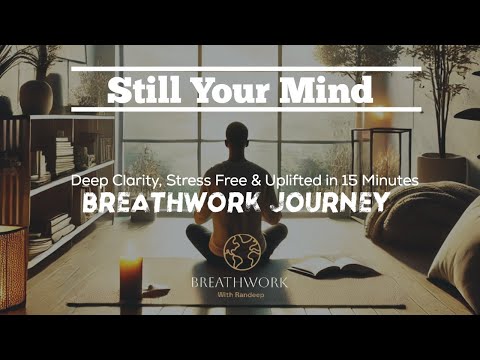
So, let’s talk about breath work. You know, that thing where you kinda sit down and focus on your breathing? Sounds simple, right? But trust me, it can be a game changer for your mental health.
I remember the first time I tried it. I was feeling super overwhelmed—like my mind was a hamster wheel. Then a friend dragged me to this local session. At first, I thought it was all a bit woo-woo. But wow, by the end of it, I felt like I could finally breathe again.
And seriously, who doesn’t need that sometimes? Whether you’re dealing with stress, anxiety, or just life in general, breath work might be what you’ve been looking for. So yeah, let’s dive into why these local sessions are worth checking out!
Exploring the Benefits of Breathwork for Mental Health: A Path to Emotional Well-Being
Breathwork, huh? It’s one of those things that sounds pretty simple but can really pack a punch for your mental health. Basically, breathwork is a range of techniques that focus on controlling your breath. You know, like deep breathing exercises or certain patterns of inhaling and exhaling. The thing is, how you breathe can seriously affect how you feel emotionally.
When you’re stressed or anxious, your breath tends to get shallow and fast. It’s like your body’s way of saying, «Hey! There’s danger!» But with breathwork, you’re flipping the script. By consciously slowing down and deepening your breaths, you send signals to your brain that everything’s cool. It’s a neat little trick: calm breathing can help calm your mind.
You might be wondering about some specific benefits. Well, here are a few key points:
- Reducing Anxiety: Breathwork helps lower levels of anxiety by activating the parasympathetic nervous system—basically the part that chills you out.
- Improving Focus: When you’re taking deeper breaths, you’re getting more oxygen to the brain. This can help sharpen your focus and boost clarity in thinking.
- Emotional Release: Sometimes we hold onto stuff—like stress or sadness—without even realizing it. Breathwork can help release those pent-up emotions in a gentle way.
- Promoting Mindfulness: Doing breathwork encourages you to stay present in the moment. This mindfulness practice can lead to better emotional regulation and resilience.
I remember when a friend told me about her first experience with a breathwork session. She walked in feeling totally overwhelmed by life—stress from work, personal issues, all of it weighing her down. But during that hour-long class? Something shifted for her. As she focused on her breathing and let go of those frantic thoughts, she felt lighter afterwards. It was like she had pressed a reset button on her emotional state.
Now, if you’re considering jumping into local breathwork sessions—or even trying some exercises at home—it’s useful to know what to expect. Many classes start with some gentle stretching or grounding exercises to prepare you for focusing on breath control.
And look: it’s not just about deep inhales and exhales; sometimes they incorporate other elements too—like guided imagery or sound healing—which can really amplify the experience.
In a world where we’re often rushing from one thing to another, taking even ten minutes for mindful breathing can truly make a difference in how we handle our day-to-day emotions and stressors.
So yeah, whether you’re battling anxiety or just want to feel more centered, exploring some breathwork might be worth adding to your mental health toolkit! The beauty of it is that it’s accessible—no special equipment needed; just you and your breath!
Understanding the Risks of Breathwork: What You Need to Know for Safe Practice
Breathwork can be a powerful tool for mental health, but like anything, there are some risks to consider. You know how when you do something new and exciting, like jumping into a cold lake? Yeah, it can feel amazing, but it might not always be safe. The same goes for breathwork.
So, what is breathwork exactly? Basically, it’s a family of practices that uses breathing techniques to improve physical and emotional well-being. It’s often promoted as a way to reduce anxiety or enhance mindfulness. But before you dive into these local sessions, let’s break down some important points to keep in mind.
Physical Risks: Some people may experience dizziness, hyperventilation, or even fainting during intense breath exercises. This reaction can happen if you’re doing the techniques too quickly or without guidance. If you’ve ever felt lightheaded after taking long breaths in a yoga class, you might understand what I mean.
Emotional Triggers: Breathwork taps into deep emotions and memories. While it’s super healing for some folks, others might find themselves flooded with feelings they weren’t ready to face—like unexpected tears or anger surfacing out of nowhere. You might go in feeling fine and come out feeling like you just opened Pandora’s box!
Existing Health Conditions: If you have any heart conditions or respiratory issues like asthma or COPD—gosh—that’s definitely something to think about. Breathwork could exacerbate those issues; after all, breathing should feel good! Always check with your doctor first if you’ve got any health concerns.
Lack of Proper Guidance: Jumping into breathwork without any instruction can lead to mistakes. Think about the first time you tried cooking something complicated without a recipe—you either ended up with a masterpiece or a total disaster! A qualified instructor can help guide your practice safely.
Setting Matters: The environment where breathwork takes place also plays a huge role in its effectiveness and safety. Doing this kind of work in a supportive community is usually way better than trying it alone at home surrounded by distractions (or that pile of laundry). I remember once trying some meditation at home during peak chaos hour—complete fail!
So yeah, if you’re curious about boostin’ your mental health with breathwork sessions nearby, just keep these risks in mind:
- Dizziness
- Emotional overload
- Your health conditions
- The need for guidance
- A supportive setting
Safe practice is key here! Engaging with qualified instructors who understand the risks will make your journey through breathwork much more rewarding—without the scary surprises. Always listen to your body; it knows best when things feel right or off-kilter.
So next time someone raves about their awesome experience with breathwork sessions in town, don’t forget to weigh those pros and cons before jumping right in! Your mental health deserves respect and care just as much as anything else—even when you’re just focusing on breathing.
Exploring the Safety of Somatic Breathwork: Risks and Benefits for Mental Health
Breathwork has become a buzzword lately, huh? You might have heard people talking about somatic breathwork—basically, it’s a way of using your breath to connect with your body and emotions. Sounds cool, but what about the risks and benefits of diving into this practice?
**Benefits of Somatic Breathwork**
First off, let’s chat about the positive side. Somatic breathwork can help you tap into your emotions and even relieve stress. When you inhale deeply and exhale fully, you send oxygen racing through your body. This can boost your mood and help calm anxiety.
- Emotional Release: Many folks report feeling lighter after a session. It’s like tears without the actual crying.
- Increased Awareness: You start tuning into how you feel physically and emotionally in a way that you might not usually do.
- Stress Reduction: Breathing techniques promote relaxation, which is kind of what most people look for when they need to chill out.
That said, it’s not all sunshine and rainbows. Breathing practices can stir up intense feelings or even physical sensations. Some people leave feeling euphoric, while others might feel overwhelmed.
**Risks Involved**
Now onto the other side of the coin—some risks to consider before jumping into this headfirst.
- Emotional Discomfort: It’s possible to access memories or emotions that feel painful. This isn’t always easy to handle on your own.
- Pacing Issues: If sessions are too intense or long, it might lead to feelings of panic or dizziness. You’re working with your body here!
- Lack of Guidance: Going in without a trained facilitator could be tricky; they help keep everything safe and supportive.
You know, I’ve heard stories about people who experienced big emotional breakthroughs during a session but also felt lost afterward because they didn’t have support to process it.
**Finding Balance**
So what happens is if you’re interested in somatic breathwork, it’s super important to find an experienced facilitator who gets how these techniques work in relation to mental health, right? They can guide you through potential ups and downs while ensuring you feel safe every step of the way.
Plus, it’s good to check in with yourself. If you’re going through really tough stuff mentally, maybe take it slow or talk with a therapist first before diving into breathwork sessions.
In the end, somatic breathwork can be pretty powerful for mental health if approached mindfully! Just stay aware of those risks while enjoying the ride!
Breathwork, huh? It’s kinda wild how something as simple as breathing can do so much for your mental health. I remember the first time I tried a local breathwork session. Honestly, I went in thinking, “What’s the big deal? It’s just breathing.” But man, was I in for a surprise.
So picture this: a cozy little studio filled with people lying on mats, soft music playing in the background. Everyone looked so peaceful… except me! I felt awkward at first, like how was I supposed to get all zen when I’m just trying not to feel silly next to strangers? But then we started.
The instructor guided us through these different breathing techniques—deep inhales followed by slow exhales. At first, it felt forced. But then something shifted. As I focused on my breath, everything around me started to fade away. Thoughts that usually buzzed around in my head quieted down a bit. That feeling of relaxation? It was like being wrapped in a warm blanket after a long day.
You know what was surprising? The emotional release that came during those sessions! People cried and laughed; it was raw and real. It’s like we were releasing all these hidden feelings we tend to shove aside during our daily grind—anxiety about work, sadness over relationships, you name it.
And let’s be real: life can be stressful! Between deadlines and personal stuff, sometimes it feels overwhelming, right? Breathwork offers this simple way out—a chance to reconnect with yourself without any judgment or pressure.
Plus, there’s something really special about doing it in a group setting too. You share this experience with others who are just there for their own reasons but getting it together creates this bond…almost like we were all in our little secret club of self-care seekers.
I’ve kept going back since that first session because honestly? It feels good to take time out just for me. Local breathwork classes have turned into my little oasis amidst the chaos of life. So if you’re looking for something new to boost your mental health or just need a break from everything? Give breathwork a try! Just remember: you might walk out feeling lighter than when you walked in—and that’s worth every second of those deep inhales and long exhales!