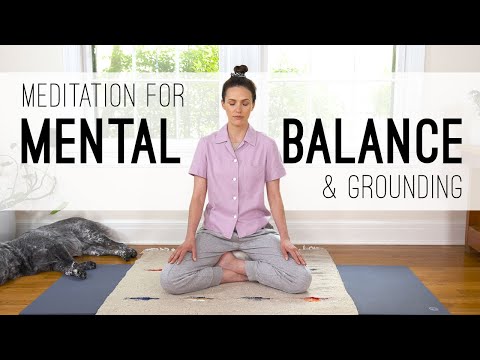
You know those moments when your mind feels like it’s running a marathon? Yeah, we’ve all been there. Stress can hit hard, and sometimes, it just feels overwhelming.
But here’s the thing: breathing and grounding exercises can really help you chill out. Seriously. They’re like little lifesavers you can pull out whenever life gets too intense.
Picture this: you’re at work, deadlines are looming, and your brain’s buzzing like a beehive. Instead of spiraling, what if you could just pause, take a deep breath, and reset?
That’s exactly what these exercises are for. Simple stuff that can shift your mood and bring you back to center. So grab a comfy seat or stand up tall—let’s talk about how to bring some peace into your day!
Boost Your Mental Wellness: Free Breathing and Grounding Exercises to Try Today
Okay, let’s chat about something that can totally help boost your mental wellness: breathing and grounding exercises. Seriously, these simple techniques can make a big difference when you’re feeling stressed or overwhelmed.
Breathing exercises are super easy to do anywhere, anytime. It’s all about getting your breath in check, which sounds simple but can really help calm your mind. Here are a couple of effective ones:
- Deep Breathing: Find a comfy spot to sit or stand. Inhale deeply through your nose for a count of four. Hold it for four seconds, then exhale through your mouth for four more seconds. Repeat this three to five times.
- Box Breathing: Imagine drawing a box in the air with your breath. Inhale for four seconds as you «draw» one side, hold for four while you «draw» the second side, exhale for another four on the third side, and hold again as you complete the box.
If you’ve ever felt that tight knot in your chest when things get tough—yeah, I’ve been there too—these breathing exercises can help untie that knot pretty quickly.
Now let’s talk about grounding exercises. These are awesome for snapping you back to reality when anxiety kicks in or if you’re feeling a little lost in your own head. Grounding helps bring you back into the present moment. Here are some ideas:
- The Five Senses Exercise: Take a moment and focus on what you can see, hear, smell, touch, and taste around you. Maybe it’s the sound of birds outside or the texture of your clothes—whatever it is!
- The 5-4-3-2-1 Method: Identify five things you see around you, four things you can touch (like the chair you’re sitting on), three things you hear (maybe traffic or music), two things you smell (that fresh coffee?), and one thing you can taste (a mint or gum?).
You know how sometimes life feels like it’s rushing by? Grounding helps slow everything down just enough to breathe again without that overwhelming sense of chaos.
The beauty of these techniques is they’re super accessible—they don’t require any special tools and they take just minutes! You might even feel a bit silly at first; that happens to everyone at some point! But give yourself permission to try them out without judgment.
The next time you’re feeling stressed out or anxious—whether it’s before an important meeting or just because life gets heavy—remember these breathing and grounding techniques as tools in your kit. They’re here to help boost your mental wellness anytime.
Essential Breathing and Grounding Exercises for Enhanced Mental Wellness: Free PDF Guide
Breathing and grounding exercises are powerful tools for enhancing mental wellness. Seriously, they can make a big difference in how you feel day-to-day. Sometimes, all it takes is a few minutes of focusing on your breath or grounding yourself in the present moment to shift your mindset.
Let’s break this down.
What is Breathing? It’s not just for staying alive. Controlled breathing can calm your nervous system, reduce anxiety, and even improve focus. When you take deep breaths, you’re basically sending a «chill out» message to your brain.
Here’s a simple breathing exercise:
– Inhale slowly through your nose for a count of four.
– Hold that breath for four counts.
– Then exhale through your mouth for six counts.
Try that a few times. You might feel more relaxed after just a minute or two.
Grounding exercises help you reconnect with the present moment, especially when you’re feeling overwhelmed by thoughts or emotions. They’re like an anchor amidst the chaos of life. By grounding yourself, you’re focusing on what’s real and tangible around you.
A straightforward technique is the 5-4-3-2-1 method:
- Identify 5 things you can see.
- 4 things you can touch.
- 3 things you can hear.
- 2 things you can smell.
- 1 thing you can taste.
When I was really stressed last year during some life changes, I used this method during breaks at work. It helped pull me out of my head and back into my body. Plus, it reminded me that there was more to life than the worries swirling around inside.
Both breathing and grounding techniques are free and easy to do anywhere. Seriously! Whether you’re at home, at work, or even in line at the grocery store—nobody needs to know what you’re up to.
If you’re looking for resources like a PDF guide on these techniques, many organizations provide free materials online where they detail various exercises along with illustrations and instructions. This might be super helpful if you’re new to these practices!
Remember that practice makes perfect! The more you incorporate these exercises into your daily routine, the easier it becomes to access them when stress hits hard. So give them a shot—you could be surprised by how much they help enhance your overall mental wellness!
Essential Grounding Techniques: Download Your Free PDF Guide for Mental Wellness
So, grounding techniques are pretty much lifesavers when your mind feels all over the place. They help you connect with the present moment and bring your focus back to reality. Let’s break down some essential ones you can try anytime.
Breathing Exercises are a big deal. Seriously, just taking a moment to slow down your breath can change everything. Here’s how you do it:
Some folks find that counting helps, while others just enjoy focusing on the sensation of air filling their lungs. It’s like hitting the reset button.
Then there’s 5-4-3-2-1 Technique, which is super simple yet effective. This one’s about using your senses:
This exercise pulls you right back into the moment, making all those swirling thoughts take a backseat.
Another great choice is Body Scanning. It’s about paying attention to how each part of your body feels:
Even if it feels silly at first, like really focusing on your pinky toe? It works! You’ll realize where you’re holding stress.
And let’s not forget Meditation and Mindfulness. Just like breathing exercises but with more focus:
It’s less about clearing the mind completely and more about noticing what’s happening without getting swept away by it.
Lastly, try incorporating Nature Elements. If you’re near outside spaces:
Remember that everyone is different; what works wonders for one person might not work as well for another. So don’t be hard on yourself if some techniques feel strange. The point is to keep experimenting until something clicks!
In short, grounding techniques are like little tools we have at our disposal whenever we’re feeling swamped by our thoughts or emotions. They’re always worth having in our mental health toolkit!
You know, sometimes life feels like it’s moving a million miles an hour. You wake up, and it’s like you’ve already got a thousand things to do before breakfast. I remember one morning feeling completely overwhelmed—like my thoughts were bouncing around in my head, not letting me catch my breath. That’s when I stumbled upon breathing and grounding exercises. Honestly, they felt like a lifesaver.
Breathing exercises are super simple but seriously powerful. Just focusing on your breath can pull you back to the moment and help quiet all that mental chaos. It’s like hitting pause on the whirlwind of thoughts. Sometimes I just sit quietly and take a deep breath in through my nose, hold it for a sec, then slowly let it out through my mouth—ahh, that sensation is amazing! It feels like exhaling all those anxious feelings right along with the air.
Grounding exercises, on the other hand, are about reconnecting with your surroundings. When you feel anxious or scattered, it’s like being in your head too much. Grounding helps bring you back into your body—and honestly? That can feel really comforting. A simple one is to find five things you can see around you, four things you can touch, three sounds you hear, two smells—if there’s anything nearby—and then maybe even one thing you can taste if you’ve got something yummy! It pulls you right out of that overwhelming spiral.
I remember doing this exercise once while sitting alone at a café because I was feeling really anxious about an upcoming meeting. I took a minute to look at the people around me—their smiles, their coffees—and it made me feel part of something bigger than those swirling worries in my head.
Breathing and grounding are little techniques that make such a big difference in mental wellness. They remind me that it’s okay to take a breather—literally! So next time you’re caught up in that stress tornado of daily life, maybe give them a try? You might realize how refreshing it can be to just be present for a moment or two.